


 New! Search Engine
 About
About
 Términos
 Privacidad
 Contact
 Invest
Octopus Intelligence: Unraveling the Cognitive Depths of The
Octopus Intelligence: Unraveling the Cognitive Depths of These Eight-Limbed Wonders
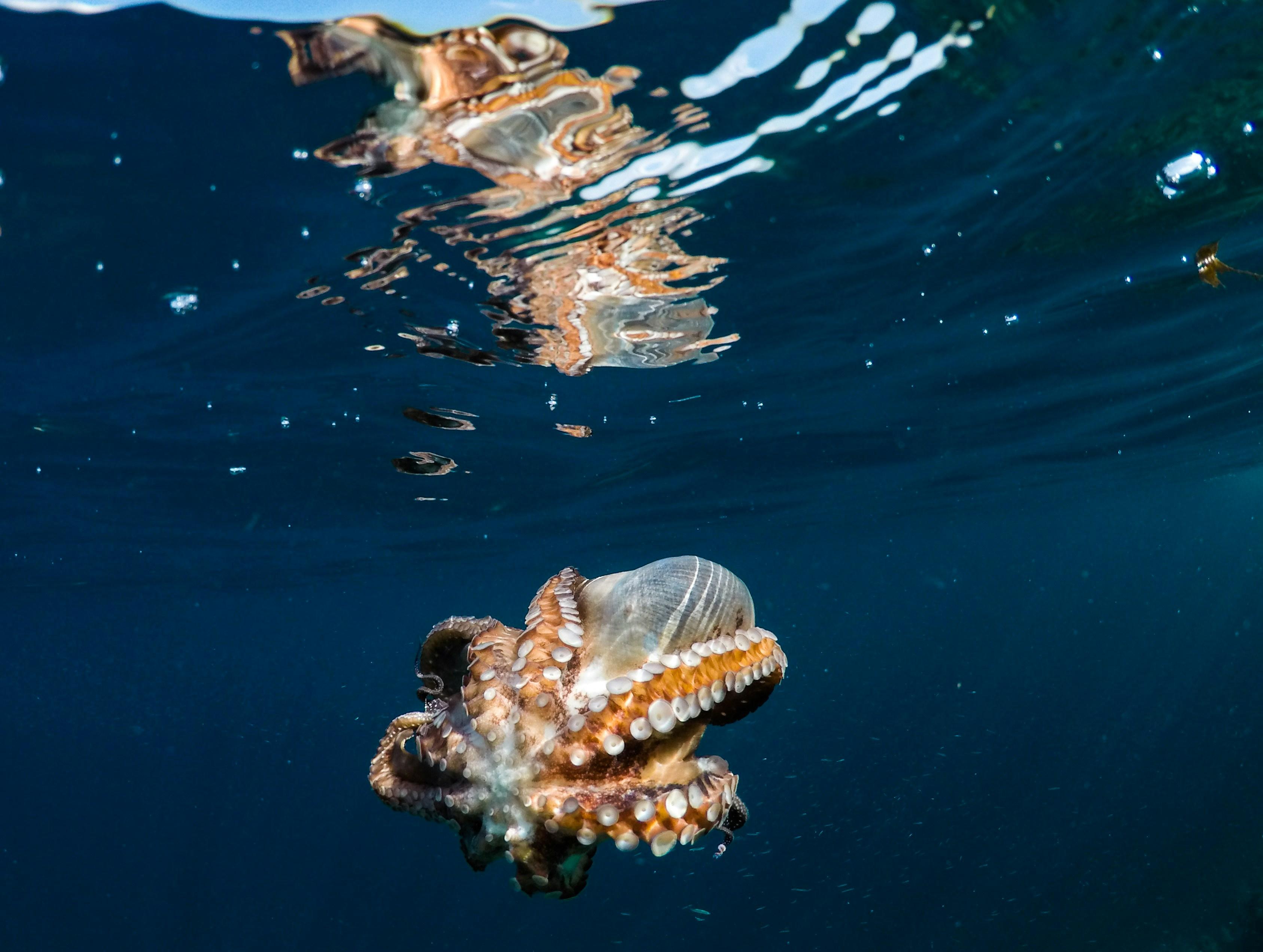
Have you ever witnessed an octopus in motion? If you haven’t, prepare to be charmed and slightly bemused. With eight arms conducting an underwater ballet—whirling in a display of synchronized chaos—these remarkable creatures seem to redefine the very concept of multitasking. But beneath their playful elegance lies a complexity that indicates they are among the most intelligent invertebrates, with behavioral nuances that would make even the most seasoned pet owner grin with recognition.
Octopuses are masters of disguise and problem-solving, faculties that researchers have begun to quantify. A study published in the journal Marine Biology found that over 60% of octopus species exhibit advanced behaviors like tool use and complex escape tactics. For instance, take a look at the common octopus, known for its habit of using coconut shells as shields or camouflage. It raises an intriguing question for pet owners: could our terrestrial companions, with the right training and environment, exhibit similarly advanced, creative problem-solving abilities?
To decode the behavior of an octopus, one must first reckon with its body language. Unlike a dog that may wag its tail to convey excitement, an octopus uses color changes and posture to communicate. A withdrawn or retracted position with muted colors can signal stress or discomfort, similar to how a cat might puff up when frightened. Conversely, vibrant color displays and expansive arm movements suggest confidence and comfort. Understanding these non-verbal cues can deepen any pet owner’s appreciation for the richness of animal communication.
For those looking to nurture their pets' capabilities, consider introducing enriching activities. Enrichment—like providing toys that mimic the more complex problem-solving environments of cephalopods—can stimulate your pets mentally and physically. For dogs, this could involve puzzle toys filled with treats that they need to work to access. Cats might appreciate vertical space to climb and explore. By fostering an environment that promotes exploration and problem-solving, we can cultivate emotional and cognitive well-being in our furry companions.
One might wonder, what drives this cleverness in animals like octopuses? This intelligence serves multiple adaptive purposes, from foraging for food to avoiding predators. Research indicates that at least 20% of cephalopods, through their complex nervous systems, leverage advanced learning, allowing them to thrive in ever-changing environments. Pet owners can find inspiration here, tailoring their pets’ environments to accommodate growth opportunities. Whether it’s experimenting with new training techniques or introducing a variety of toys, the goal remains the same: to stimulate physical and mental activity that nurtures a lifelong love for learning.
 Spanish
 Thai
Thai
 English
 French
 Portuguese
 Deutsch
 Turkish
 Dutch
Dutch
 Italiano
 Russian