


 New! Search Engine
 About
About
 Termini e Condizioni
 Privacy
 Contact
 Invest
A Glimpse into the Gaze: How Fawns Communicate Fear and Curiosity Through Their Eyes
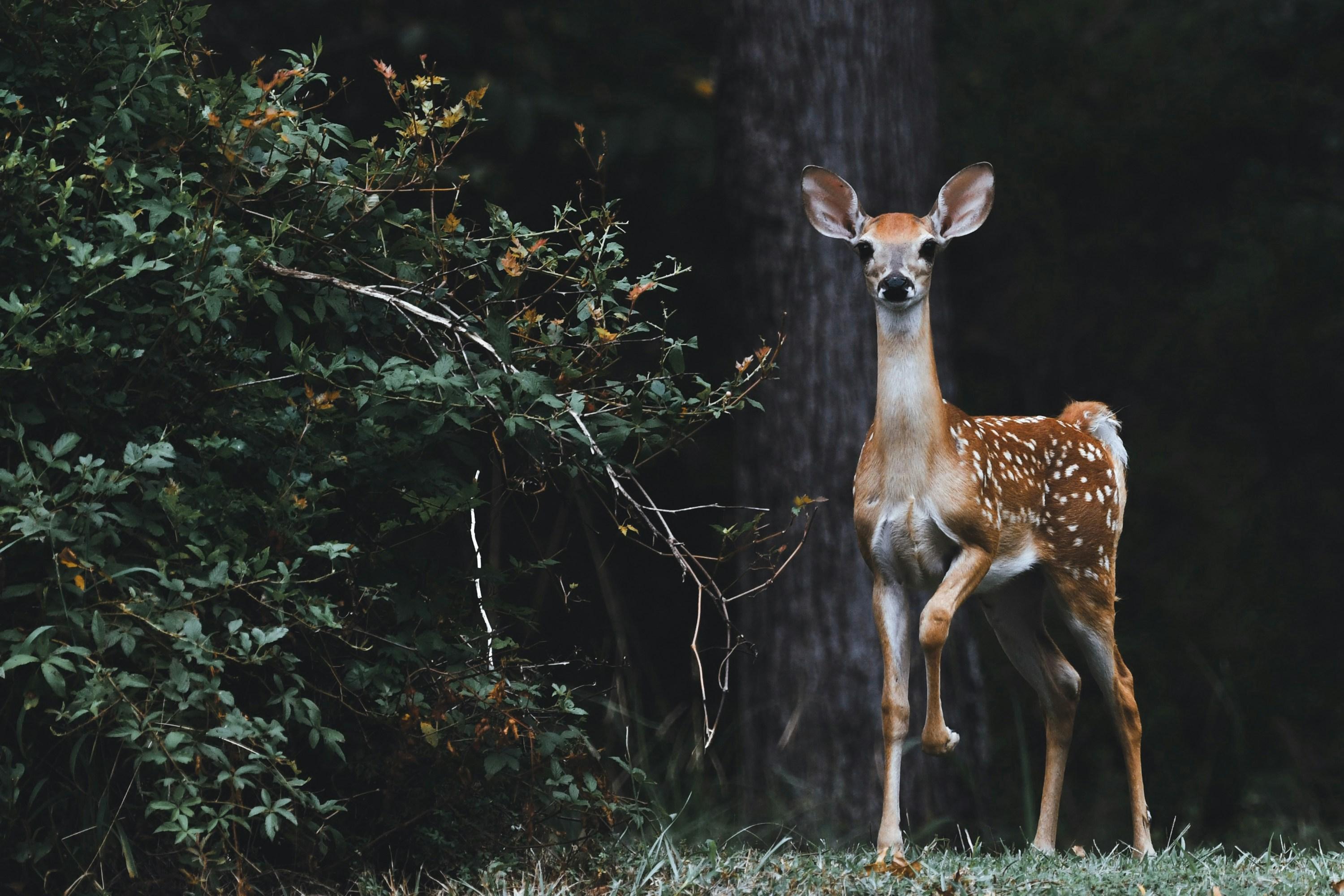
In the dense foliage of a silent woodland, a curious fawn stands frozen, one delicate leg poised like a ballerina about to break into a pirouette. With oversized ears perked up, it embodies that odd juxtaposition of innocence and alertness. It’s a timeless moment in the wild, where the stakes are high and danger lurks behind every rustle of leaves. This enchanting creature carries a secret: in a world filled with threats, the shivering thrill of young exploration is rivaled only by the primal instinct to survive.
The fawn’s bright eyes reflect a sentiment often overlooked: a blend of curiosity and apprehension. According to ethology, the study of animal behavior, young deer exhibit what is known as the "freeze response" when they sense potential danger, and this response taps into an evolutionary survival mechanism. Interestingly, research shows that fawns will remain immobile for up to 75% of their early lives, a tactic that increases their chances of evading predators. A surprising nugget from wildlife studies reveals that fawns can survive relatively well despite the low visibility offered by their spotted coats, which serve as perfect camouflage against dappled sunlight filtering through the forest canopy.
For those of us tasked with caring for young animals or merely observing them, understanding this delicate balance between fear and exploration can enhance our interactions. Just as the fawn communicate their intent through body language—ears positioned and eyes wide—so should we pay attention to the environment around us and communicate reassurance. When introducing a pet to new experiences, incremental exposure paired with a calm demeanor can foster confidence; even a simple act of lying low to their level encourages engagement without overwhelming them. Remember, studies indicate that animals tend to feel more at ease when they perceive humans as non-threatening or approachable, allowing their natural curiosity to blossom rather than retreat.
In this expansive realm of the wild, every pulse of life hums with a story waiting to be unraveled. This fleeting glance at a fawn—and its intricate dance between caution and inquisitiveness—invites us to reflect on our own experiences of vulnerability in the face of the unknown. Just as these young animals navigate the complexities of their unfolding world, we too are often faced with choices that ask us to choose between retreating from fear and stepping boldly into the light of new experiences. Perhaps there lies a lesson in their uncertain strides; in the end, embracing the unknown may lead us to spectacular frontiers we never envisioned, connecting us more deeply to the web of life that surrounds us.
 Italiano
 Thai
Thai
 English
 French
 Spanish
 Portuguese
 Deutsch
 Turkish
 Dutch
Dutch
 Russian