


 New! Search Engine
 О нас
О нас
 Условия использования
 Конфиденциальность
 Contact
 Invest
Title
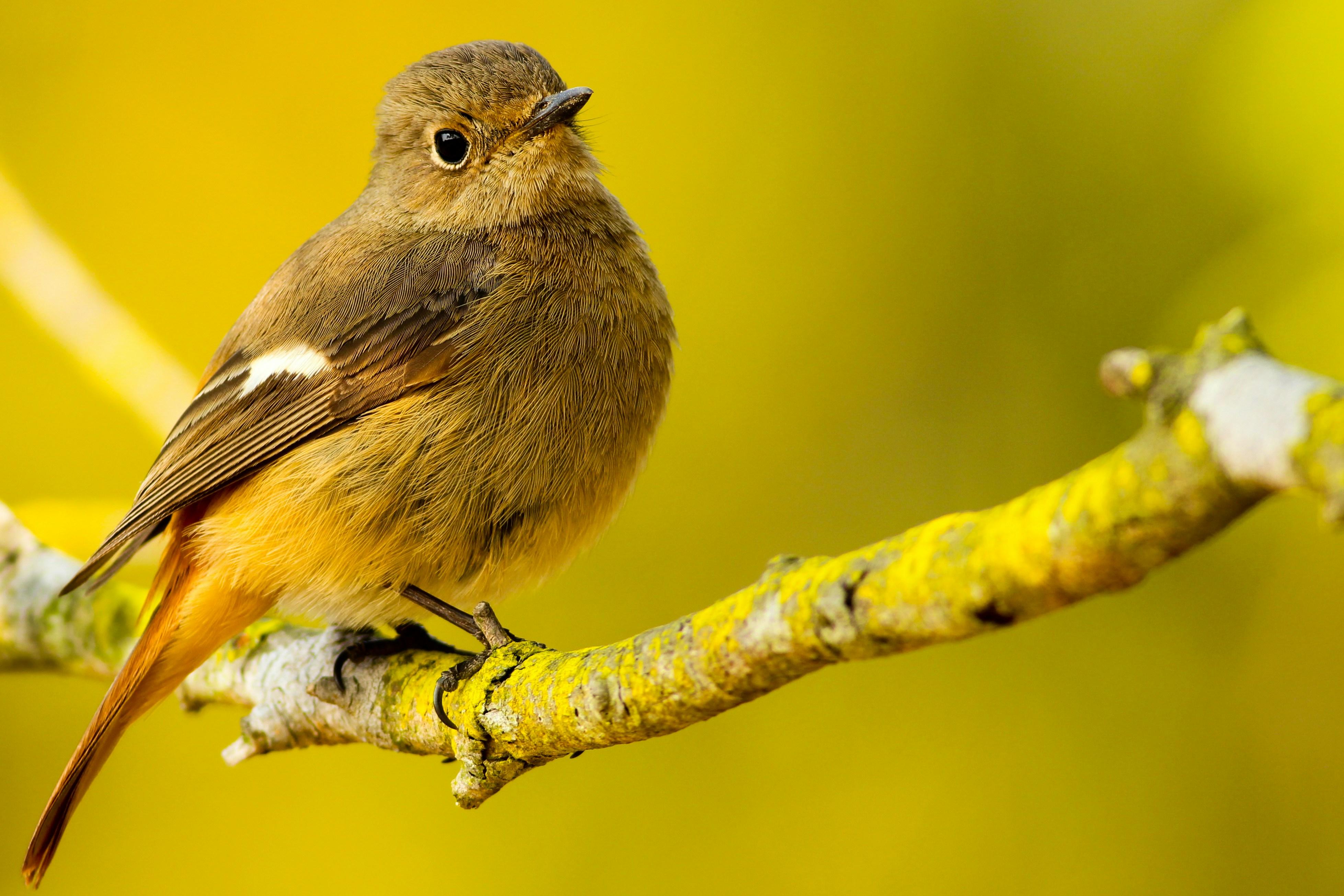
In the Presence of Vigilance: Exploring the Marvelous Alertness of Urban Birds
Article
On a warm afternoon, amidst the gentle hum of city life, a petite bird perches precariously on a branch, akin to a statue fashioned from down and feathers. Its bright eye twinkles with curiosity and perhaps a hint of mischief, as if contemplating whether to announce its presence with a cheery chirp or to cling silently to its arboreal throne. If only those tiny hearts could take a day off, but vigilance is a survival skill, not just a hobby.
This bird, an emblem of adaptability, exemplifies the complex emotions brewing in the avian psyche. Birds like this one exhibit heightened vigilance rates, which can average up to 40% of their observation periods, especially in urban environments where threats lurk around every corner. A startling statistic reveals that nearly 70% of birds adopt sentinel roles within their flocks, especially during foraging bouts, effectively transforming into watchful guardians while others indulge in the luxury of meal consumption. This behavioral adaptation serves as a fascinating reminder that nature's negotiation between vulnerability and resource-gathering is one that never rests, throwing in a sprinkle of competition and harmony.
Beyond the statistical elegance, the nuances of this bird's behavior may offer insights into its emotional wellbeing. Catalogs of research show that stress hormones in these small creatures fluctuate significantly based on environmental stimuli; it has been documented that an increased perception of threat can elevate cortisol levels by 30% within minutes. Such data suggests that our feathered friend is not merely responding to immediate threats but also navigating a landscape fraught with long-term implications for its health and survival.
To foster a more supportive environment for such vigilant creatures, urban dwellers can take meaningful steps. Creating bird-friendly habitats through the provision of diverse food sources and safe nesting sites encourages a thriving avian community. An empirical study indicates that the establishment of green spaces in urban areas can increase bird populations by as much as 50%. Ensuring that our cities are harmonious sanctuaries rather than hostile battlegrounds can nurture not only the physical health of birds but also their emotional stability, allowing them to flourish in even the most unexpected places.
As we gaze upon this charming bird, perched on its watchful limb, we are reminded of the delicate tension that defines existence. Each moment of vigilance resonates with our own experiences of anticipation—waiting for good news or holding our breath before a leap of faith. In a world full of demands and uncertainties, both avian and human creatures hold their breath and glance sideways, all the while contemplating the best path forward. This shared vigilance speaks not just to survival, but to the quiet beauty of hope and resilience that weaves through all life.
 Russian
 Thai
Thai
 English
 French
 Spanish
 Portuguese
 Deutsch
 Turkish
 Dutch
Dutch
 Italiano