


 New! Search Engine
 Environ
 Conditions générale de vente
 Confidentialité
 Contact
 Invest
The Art of Preening: A Duck's Meditative Moment in Motion
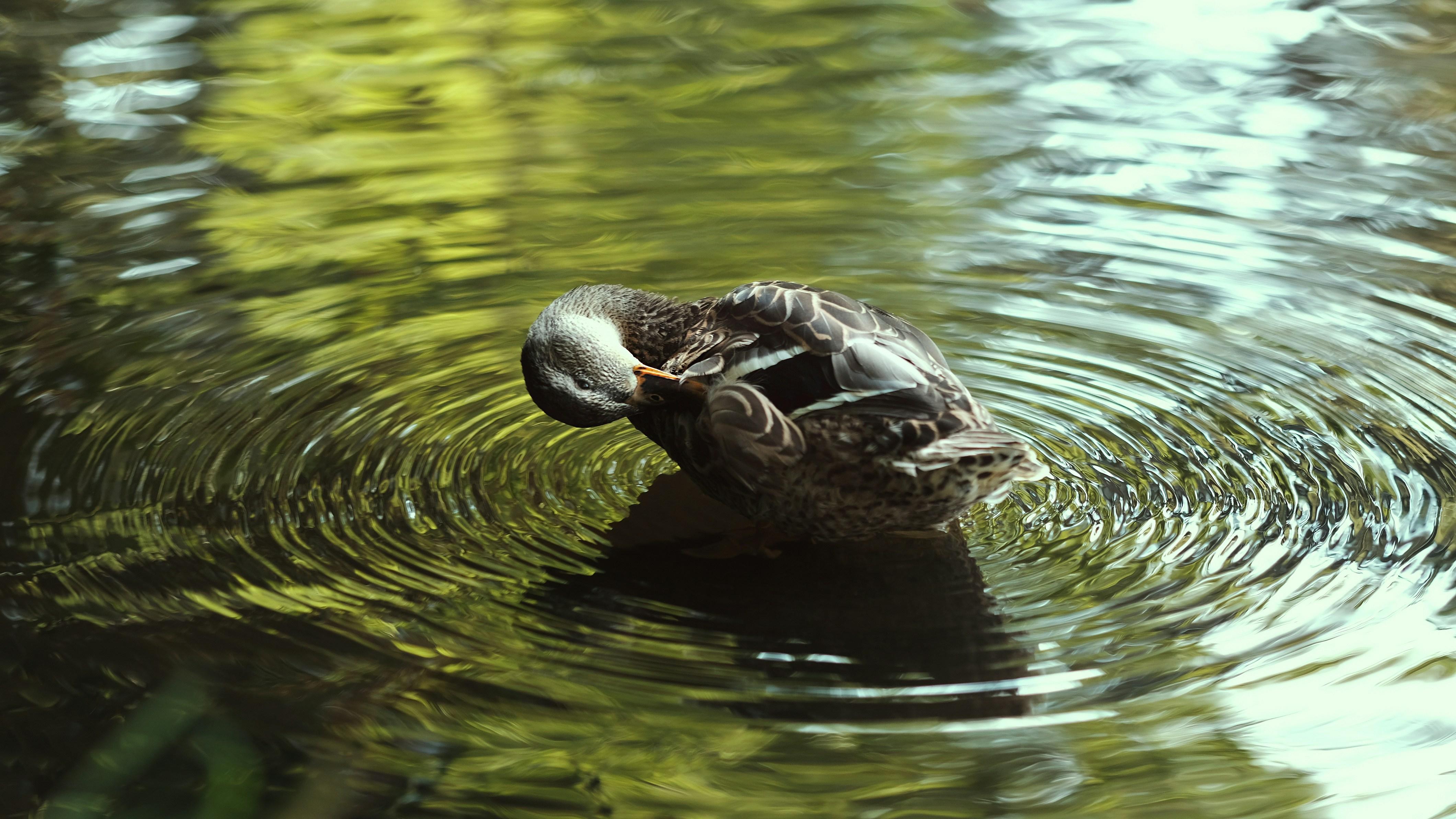
As the sun filters through the trees, casting flickering shadows on the shimmering water, a duck engages in an exquisite ritual: preening. With a delicate precision, it uses its beak to meticulously align feathers, creating a captivating dance of movement and water ripples, each stroke reflecting a hidden world beneath the surface. What might seem like a simple grooming session is intricately linked to the bird's emotional landscape and overall health.
Preening is not merely a cosmetic endeavor; it serves critical functions that reveal the duck’s psychological and physiological state. This intriguing behavior offers a glimpse into a world governed by more than just instinct. Surprisingly, research indicates that ducks spend an average of 25% of their waking hours preening, contributing to their relational dynamics with peers. Moreover, about 30% of their preening time is dedicated solely to the maintenance of their waterproofing oils. This statistic suggests a level of self-care that resonates with their innate survival instincts while simultaneously affecting their social interactions within a flock.
This duck’s focused attention reflects a commitment to well-being that many of us overlook. When birds preen, they are often in a state of heightened relaxation, which contrasts sharply with the stress-inducing hustle of modern life. In fact, studies have shown that disruptions in preening can elevate stress hormones, particularly corticosterone, by up to 40% in some avian species. Observing this duck, one might find a reminder that taking a moment for oneself can significantly bolster resilience against life’s pressures.
Encouraging a nurturing environment for ducks, whether in the wild or in managed settings, hinges on recognizing the importance of such behaviors. Regularly providing access to clean water is essential, as it facilitates preening and reduces stress-related activities. Ducks, much like humans, thrive in environments where their needs are met—physically and psychologically. Ensuring there are ample opportunities for these rituals can lead to healthier, more cohesive groups. Just as a balanced routine can enhance our mental well-being, allowing ducks the time and space to engage in their natural behaviors fosters their emotional stability.
As we ponder this serene scene, the simple act of preening evokes a profound truth: in a world often fraught with chaos, the ability to pause and realign can be revolutionary. As that duck delicately combs through its feathers, perhaps it speaks to a universal longing for balance and tranquility, inviting us to reflect on our own habits. In cultivating moments of mindfulness amid life’s whirlpools, we, too, can embrace the rhythm of reflection, finding our way to still waters amidst life's currents.
 French
 Thai
Thai
 English
 Spanish
 Portuguese
 Deutsch
 Turkish
 Dutch
Dutch
 Italiano
 Russian