


 New! Search Engine
 About
About
 Voorwaarden
 Privacy
 Contact
 Invest
The Intense Gaze of the Working Dog: Understanding Vigilance and Bonding in Canine Companions
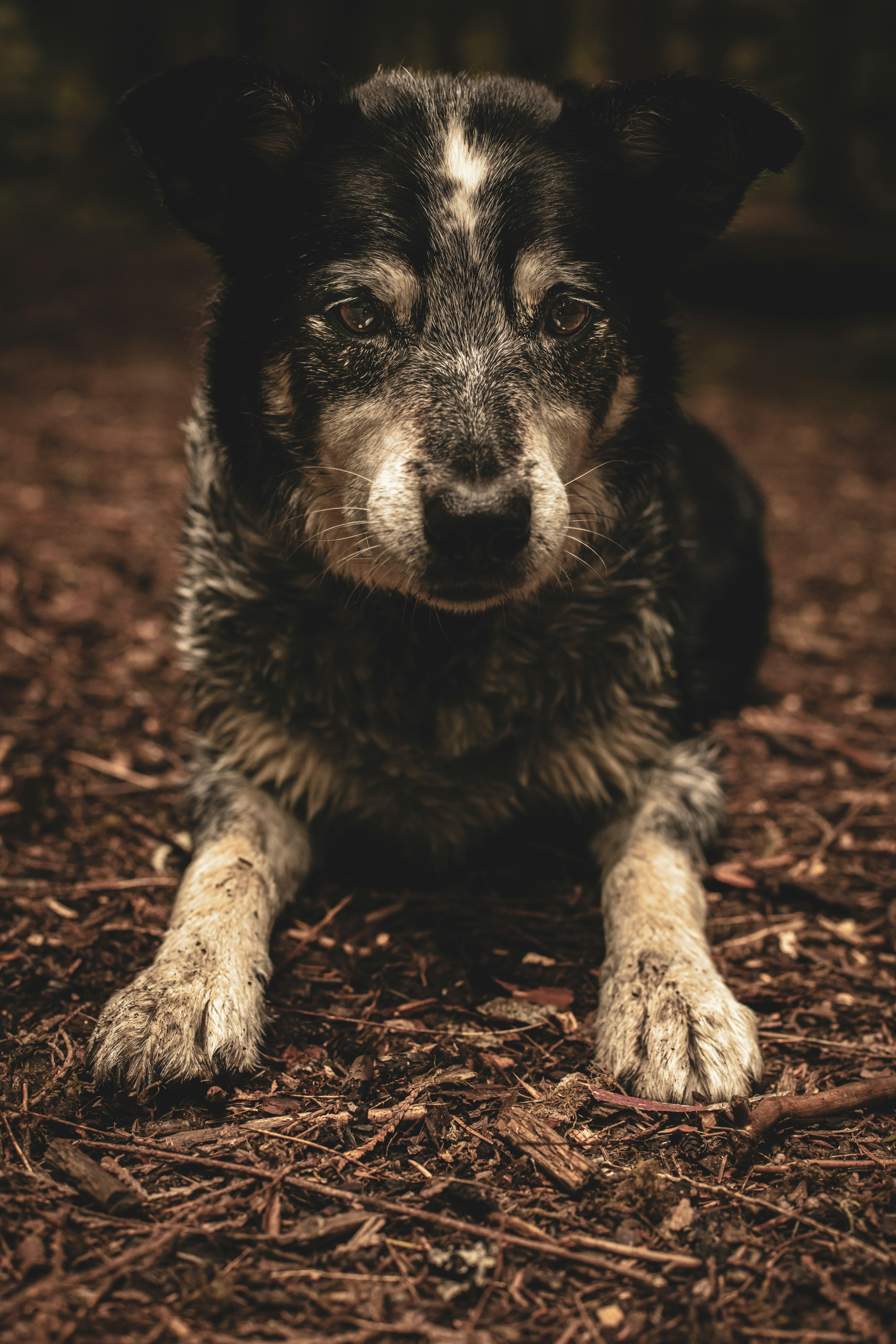
In the middle of a hushed forest, an aging blue heeler rests, its eyes wide open and mind seemingly shifting between dreams of wild pursuits and the faithful companionship beneath a gentle canopy. The play of soft light dances upon its fur, providing a subtle backdrop to a poignant moment—the dog appears to be on watch, surveying the realm with a blend of loyalty and instinctive duty. Yet, amid this serene scene lies an unexpected detail: the fine dust and debris on its paws reveal the hard work that led to this quietude.
At the core of canine behavior is their remarkable ability to interpret both their surroundings and the emotions of those around them. This blue heeler's focused gaze is more than a passive observation; it reflects a unique emotional state that balances between vigilance and loyalty. Research shows that working dogs, especially herding breeds, demonstrate an average vigilance duration of about 20-30 minutes when engaged in a task. This extended focus allows them to monitor their environment while remaining attuned to their human counterparts. Intriguingly, studies indicate that around 70% of these dogs adopt roles as effective sentinels in social situations, demonstrating a profound understanding of the dynamics surrounding them. Such innate capabilities make them exceptional companions, capable of adapting their behaviors based on their bond with humans.
Understanding this emotional complexity can significantly enhance our interactions with our pets. For dog owners, it's essential to recognize how stress can impact canine behavior. Elevated cortisol levels have been documented, particularly in environments lacking stimulation or social engagement. Research has determined that dogs subjected to inadequate physical activity can experience up to a 25% increase in stress indicators. Therefore, providing consistent opportunities for play, exploration, and bonding can help mitigate these effects, fostering not only happier dogs but also deepening the bond between human and canine.
In practical terms, a simple way to enhance this relationship is to integrate regular, structured playtimes into daily routines. The American Kennel Club recommends that dogs receive at least 30 minutes of focused exercise daily—though this varies by breed and age. Engaging in activities that stimulate both their minds and bodies can bridge the gap between vigilance and relaxation, allowing a dog to thrive emotionally and physically.
As we observe this serene blue heeler, a metaphor unfolds—a reminder of the enduring loyalty found in our own lives. In its watchful gaze, we see not just an alert companion but a reflection of our desire to connect, to guard, and to be present for those we love. Just as this dog interprets its environment with remarkable skill, we too navigate our world with longing and attentiveness, finding in moments of stillness a profound resonance that bridges all living beings.
 Dutch
Dutch
 Thai
Thai
 English
 French
 Spanish
 Portuguese
 Deutsch
 Turkish
 Italiano
 Russian