


 New! Search Engine
 Sobre
Sobre
 Termos
 Privacidade
 Contact
 Invest
The Silent Watcher: An Unexpected World of Curiosity in the Ferns
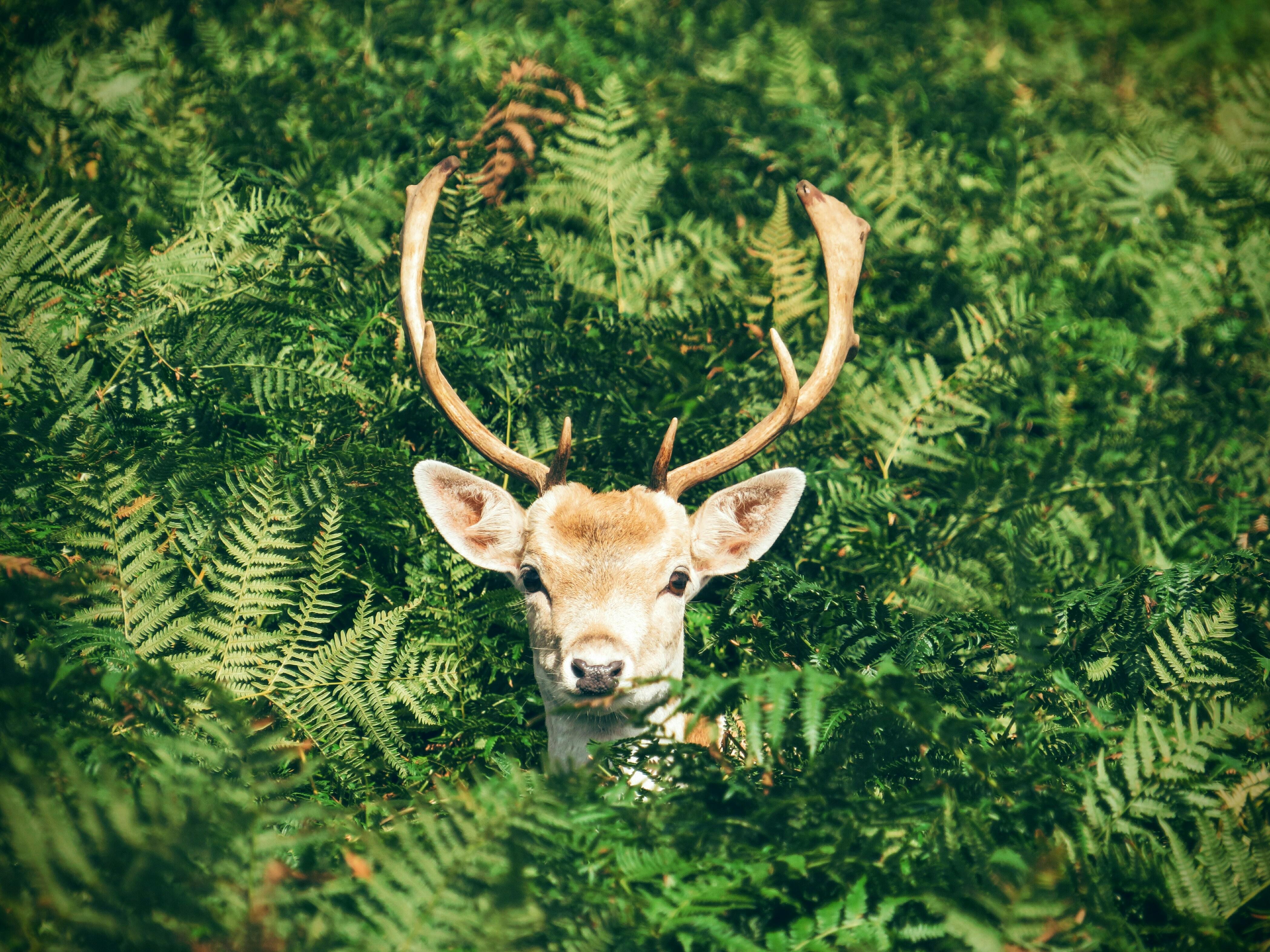
Standing amid a sea of emerald fronds, a deer emerges, its delicate features softened by the dappled sunlight. This tranquil moment is laced with an unscripted irony: in a world full of hurried humans, this creature appears both curious and contemplative, much like a philosopher caught in a verdant dream. It seems the deer is not only surveying its surroundings but perhaps pondering life, or maybe just contemplating its next meal—an invitation to imagine its inner musings.
This young deer, poised still with a watchful gaze, epitomizes the delicate balance between serenity and alertness, a hallmark of ungulate behavior. Researchers have uncovered fascinating insights into the emotional nuances of such animals; for instance, studies show that deer frequently exhibit vigilance behaviors for approximately 20% of their waking hours, a statistic that hints at their keenness for potential threats. When surrounded by dense foliage, they can often be spotted adopting sentinel roles—almost 30% of the time in some populations—taking turns to stand watch while others graze, sharing the burden of alertness. The underlying psychology is intriguing: the ability to shift attention from feeding to scanning the environment reflects both a learned skill and an inherent instinct designed for survival.
Understanding deer behavior can provide deeper insights into their well-being. To thrive, they need safe and diverse habitats that mimic their natural environments. Deer are social animals, and being isolated can lead to increased stress. Research indicates that when kept in small groups, stress hormone levels can rise by as much as 40%. Providing ample space and a variety of companions can help mitigate this emotional strain, enhancing their quality of life. For those who observe wildlife or participate in conservation efforts, knowing how the presence of fellow deer can lessen anxiety is crucial.
As we reflect on the actions of this graceful creature, we are reminded of the shared aspects of existence between humans and wildlife. Just as this deer stands vigilant amidst the lush greenery—attentively balancing its many instincts—so too do we often find ourselves in states of quiet contemplation, weighing our own choices and responsibilities. In moments of stillness, we uncover the beauty of being present, teaching us that within the serene patterns of nature lies an extraordinary connection to our own heartbeat.
 Portuguese
 Thai
Thai
 English
 French
 Spanish
 Deutsch
 Turkish
 Dutch
Dutch
 Italiano
 Russian