


 New! Search Engine
 About
About
 Koşullar
 Gizlilik
 Contact
 Invest
A Symphony of Giants: Understanding the Social Dynamics of Elephants in the Wild
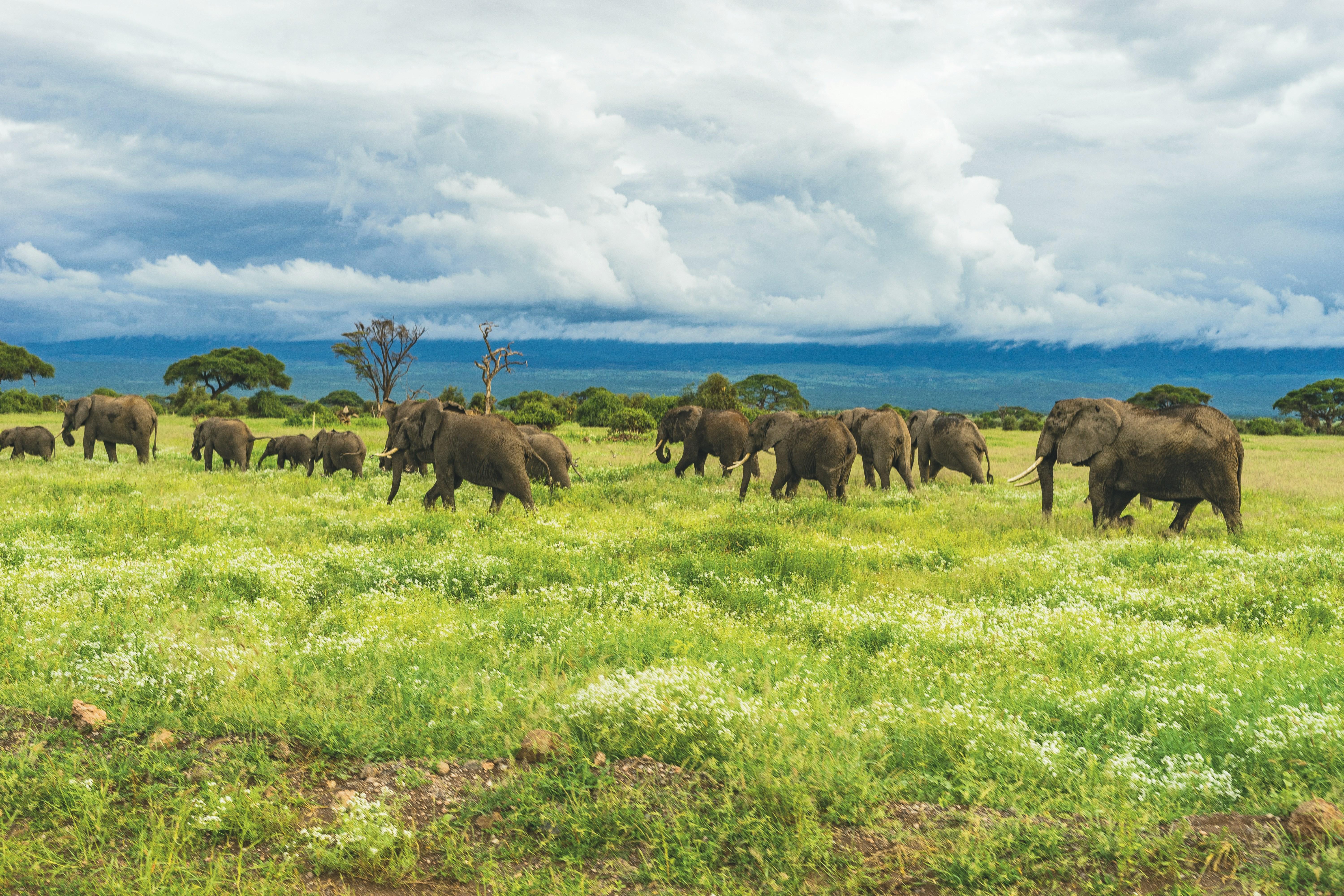
As the storm clouds gather over the expansive savanna, an unassuming gathering of elephants emerges from the lush greenery—a collective movement that resembles a determined parade of wisdom. Amidst the vibrant hues of the landscape, one can hardly ignore the almost profound expression on their faces as they navigate this bustling tapestry of life. But look closely: among them, a young calf seems to stumble momentarily in step, prompting amused glances from the adults as if to say, “Ah, the trials of youth.”
With a deeper insight into this majestic group, the emotional weight of the elephants becomes more apparent. Social creatures at heart, these elephants display a remarkable degree of empathy and communication. Research reveals that elephants possess an average vigilance duration of around twenty minutes while foraging, meaning they allocate significant attention not only to eating but to scanning their surroundings. This underscores their awareness of potential threats, whether from predators or human encroachment. Moreover, studies indicate that nearly 35% of herd members will adopt sentinel roles in more dangerous environments, demonstrating an extraordinary knack for vigilance-sharing that enhances group survival.
Yet, beyond the metrics lies a complex emotional landscape. As the elephants continue their leisurely march across the enchanting floral carpet, it's noteworthy that their stress hormone levels—cortisol—can fluctuate significantly based on social bonds, with studies showing that close-knit family groups exhibit lower stress indicators during foraging. This indicates that emotional strength within the herd is not merely a social nicety but a vital component of their resilience.
For those who wish to foster a better understanding of these magnificent creatures, environmental enrichment becomes paramount. Create spaces that mimic the sprawling savannas by incorporating diverse vegetation and physical structures that mimic their natural environments. Research suggests that elephants require a minimum of ten acres per individual in captivity to fulfill their behavioral and emotional needs effectively. Environments that allow for natural behaviors—like social interaction, foraging, and exploratory activities—are crucial to maintaining their emotional health.
As we observe the gentle giants traversing this verdant expanse, it’s impossible not to draw parallels to our own lives. Just as elephants thrive in the company of their kin, so too do we find strength in our human connections. In an increasingly fragmented world, the elephants remind us of the bonds that sustain us, the shared experiences that shape our journey, and the necessity of unity in fostering resilience—be it in the wild or within our communities.
 Turkish
 Thai
Thai
 English
 French
 Spanish
 Portuguese
 Deutsch
 Dutch
Dutch
 Italiano
 Russian