


 New! Search Engine
 About
About
 Koşullar
 Gizlilik
 Contact
 Invest
Squirrels in Slow Motion: The Art of Vigilance and Nut Hoarding
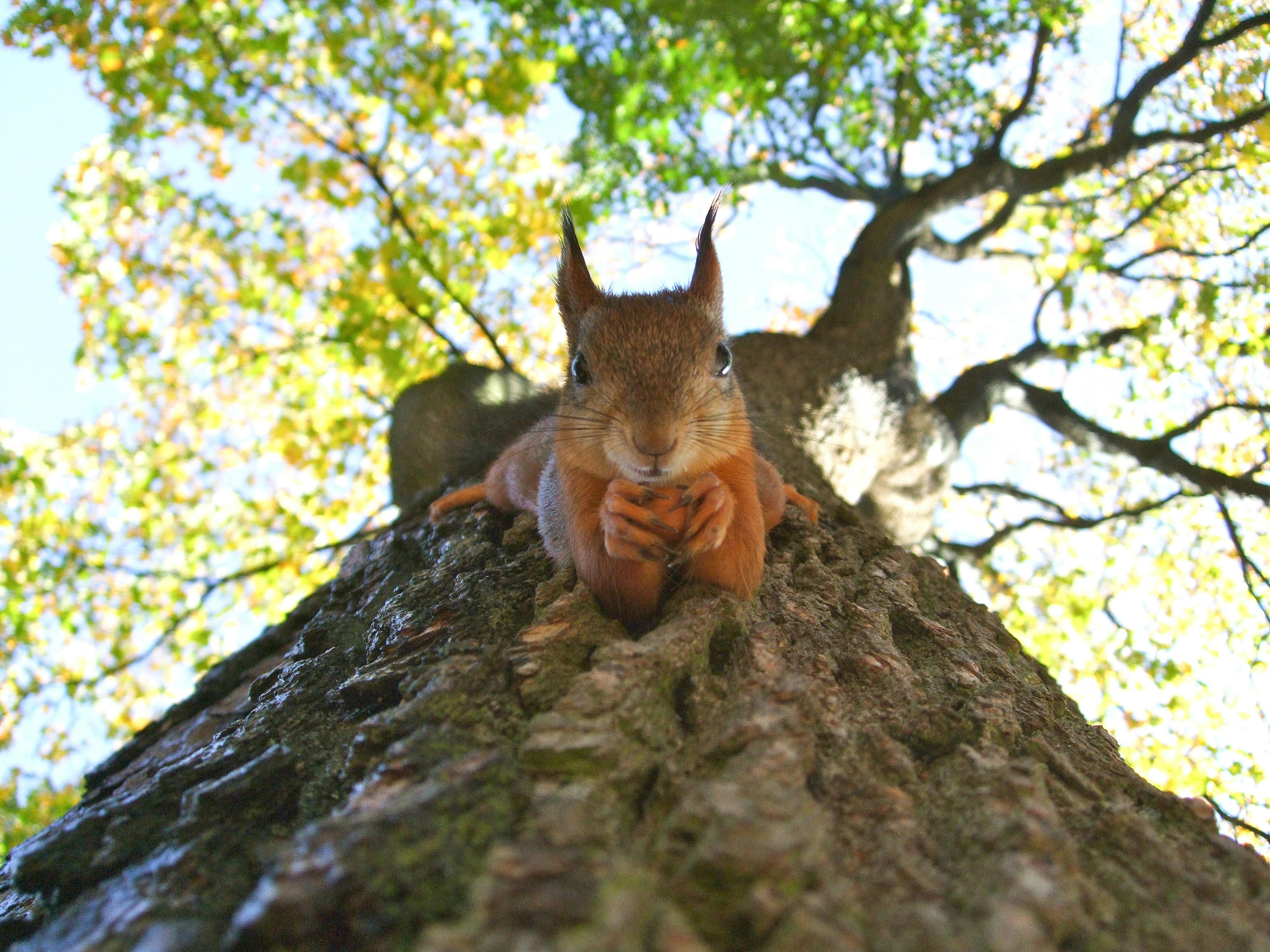
In a world that seems to zip by faster than a squirrel can dart up a tree, there’s a certain charm in witnessing our bushy-tailed friends embrace stillness. Imagine a squirrel perched on a branch, its little paws clutching a morsel, surveying its leafy kingdom. Beneath the sunlight-filtered canopy, a silver lining of curiosity twinkles in its eyes as it indulges in its midday feast, seemingly unaware that it has become a living spectacle of nature's delicate balance.
This moment encapsulates not just a snack break, but a fascinating glimpse into the squirrel's emotional landscape. While munching on its treasure, this creature maintains an impressive average vigilance duration, remaining alert for potential threats. In fact, studies reveal that squirrels often experience a vigilance rate hovering around 60% during foraging, a remarkable commitment to survival amid distractions. This behavior is not merely instinctual; it’s rooted in their capacity for risk assessment and their nuanced relationships with the environment. Faced with varying degrees of danger, they intermittently shift their focus—estimated at a rate of 1-3 attention shifts per minute—between their snack and the world around them. The balancing act is both humorous and intense, as if they’re juggling the joys of eating with the responsibilities of self-preservation.
You might wonder how one can improve the well-being of these lively little beasts. Squirrels thrive best in environments rich with variety and security—an unassuming backyard can transform into a bustling haven by including bird feeders filled with seeds or nuts that mimic natural foraging experiences. Not only do these additions nourish the creatures, but they also reduce the average stress hormone levels, which can fluctuate significantly in urban populations. Research indicates that environments that allow for optimal foraging can lead to a decrease in these stress indicators by up to 30%, thus enhancing the overall resilience of our local wildlife.
As we observe this delightful moment, we can't help but find reflections of our own lives in the squirrel's world. The balance between seizing opportunities and staying vigilant resonates deeply with the human experience. Much like the squirrel diligently foraging, we too navigate our own branches of existence, balancing the delicious moments of life with the need to stay aware of our surroundings. In this dance of existence, we can find solace, knowing that whether clutching a snack or savoring life’s joys, we are all, in our own ways, enjoying the wild, beautiful uncertainty of being alive.
 Turkish
 Thai
Thai
 English
 French
 Spanish
 Portuguese
 Deutsch
 Dutch
Dutch
 Italiano
 Russian