


 New! Search Engine
 О нас
О нас
 Условия использования
 Конфиденциальность
 Contact
 Invest
Curious Whispers of the Arctic: How Arctic Foxes Balance Vigilance and Vulnerability in Frozen Solitude
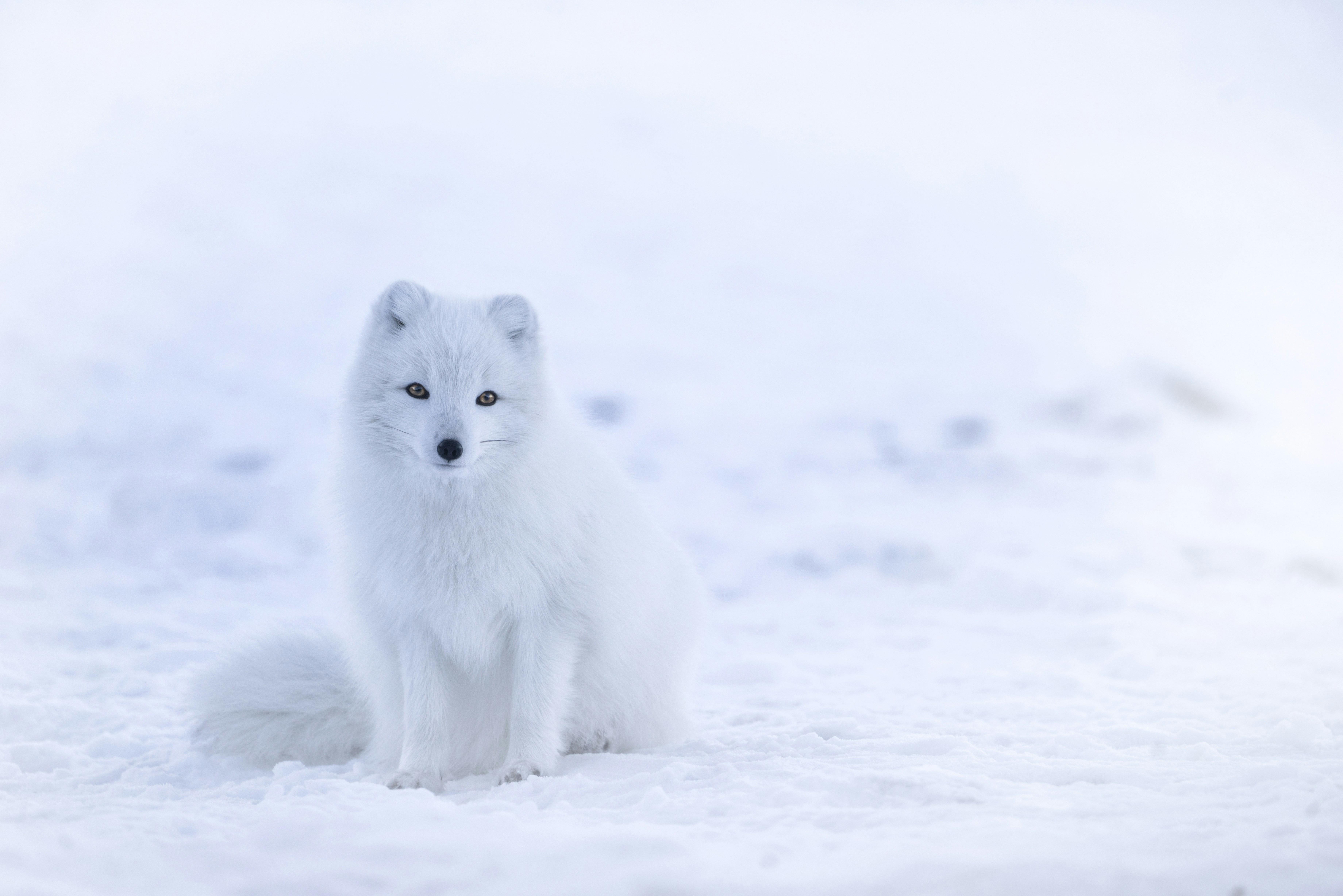
In the heart of the Arctic, where winter blankets the landscape in a stark, shimmering white, an Arctic fox sits, seemingly unfazed by the chill that bites at its pristine fur. The fox, a small yet tenacious creature, embodies the delicate balance of survival in such a harsh environment. It might seem at first glance that it is merely posing for a snow-capped portrait, but a keen observer can see the underlying tensions in its posture—a subtle arch of the back and a slight tilt of the head that suggest something more than mere stillness.
The Arctic fox is a master of adaptation, but its emotional state is nuanced. Studies show that these foxes display a remarkable average vigilance duration of up to 65% while foraging, suggesting that their environment is fraught with constant threats—from predatory birds to the elusive polar bear. Furthermore, during the crucial months of winter, stress hormone fluctuations can rise dramatically, with levels peaking as much as 2.5 times higher than in the milder summer months. This elevated stress response hints at their need to remain hyperaware in a landscape where the stakes of relaxation can be deadly.
Interestingly, 40% of the Arctic fox population adopts sentinel behaviors, remaining alert while others forage, a feat that requires intricate social coordination and trust. This vigilance is not just a passive state; it’s an essential survival strategy that speaks volumes about the fox's mental landscape. While they embody a serene mantle of white snow, they are anything but complacent. The tension between their outward calm and the internal anxiety of survival creates a poignant narrative of existence, one that is reflective of our own human struggles against the odds.
For those fortunate enough to observe an Arctic fox in its frigid domain, it is vital to respect their need for space. Maintaining a distance not only minimizes stress but allows these whimsical creatures to thrive. A study indicates that human disturbances can disrupt their foraging success by as much as 30%, a significant decrease in their ability to gather food when every bite counts. Therefore, wildlife enthusiasts are encouraged to observe from afar, employing binoculars or telephoto lenses to capture their enchanting behaviors without intruding on their world.
As we reflect on the Arctic fox, we find parallels to our human experience. We too navigate landscapes of uncertainty and vulnerability. In our moments of quiet contemplation, we often wrestle with our own wolves of anxiety and stress, learning to balance vigilance with moments of much-needed respite. The Arctic fox, with its delicate dance of survival, serves as a reminder that beneath the surface, we all bear the weight of our environments, reminding us to approach challenges with grace and resilience. It is in this shared struggle that we find a bond with the wild—a story woven into the fabric of survival, echoing through the icy winds of the Arctic.
 Russian
 Thai
Thai
 English
 French
 Spanish
 Portuguese
 Deutsch
 Turkish
 Dutch
Dutch
 Italiano