


 New! Search Engine
 Über
Über
 Bedingungen
 Datenschutz
 Contact
 Invest
The Thoughtful Gaze of a Mandrill: Insights into Emotional Depth and Social Dynamics
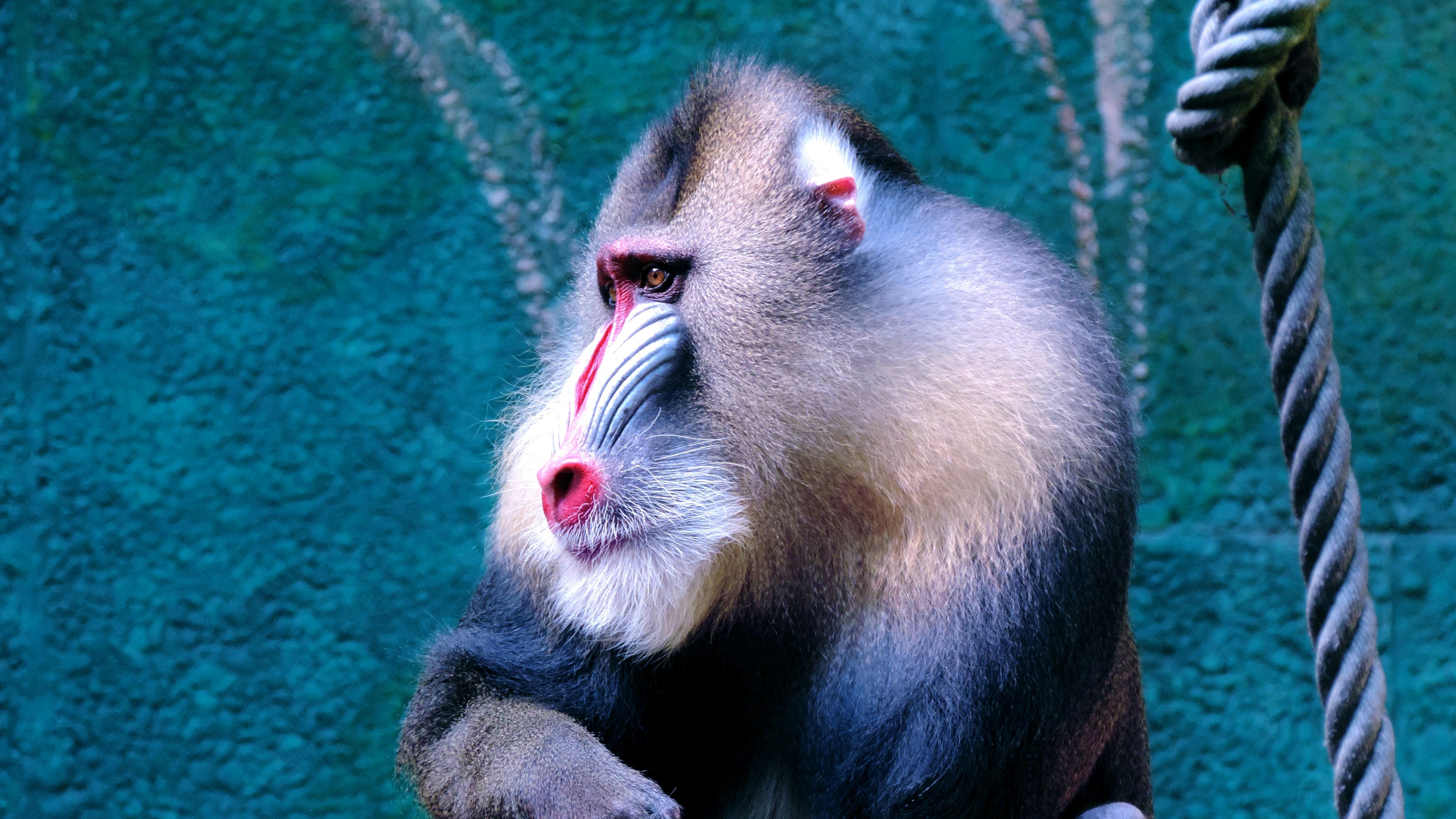
In the vibrant tapestry of the animal kingdom, few moments capture the weight of contemplation like a mandrill’s pensive stare. Just imagine: a mandrill, with its vivid facial markings that mimic a living palette, sits regally, its gaze reflecting a complex blend of awareness and introspection, as if pondering the very fabric of its existence. One might wonder, is it daydreaming of lush forests or brooding over the imbalances of its social group? Amid this profound display, the flicker of its ear suggests a keen perceptiveness, as if it’s catching whispers from the world around it.
The mandrill, scientifically known as Mandrillus sphinx, exhibits emotional states tied closely to its social structure and environment. Observations reveal that these creatures possess a unique ability to interpret and respond to social cues, driven by nuanced emotional dynamics. For instance, mandrills can exhibit high vigilance levels, averaging about 28% of their daily activities spent scanning for threats, which reflects their innate awareness of predation risks. Additionally, research suggests that within their troops, approximately 20% of individuals take on sentinel roles, maintaining watch while others forage or groom, thus underscoring a remarkable communal interdependence that fosters both safety and social bonding.
When we consider behaviors such as these, the emotional intelligence of the mandrill becomes a focal point, indicating that their social interactions are deeply nuanced. Fluctuations in stress hormones, particularly cortisol, reveal significant insights; mandrills living in stable social groups display lower levels than those in disrupted hierarchies. This tells us that their emotional states are not merely reflections of individual circumstances, but closely linked to the broader dynamics within their communities.
For those of us fortunate enough to observe these magnificent primates, taking cues from their social engagements proves insightful. Enrichment activities in captive environments can mimic the natural social interactions that fuel their well-being. For instance, providing opportunities for grooming or play can resonate with their innate needs, reflecting the original troop dynamics they thrive in. It is estimated that such activities can enhance behavioral diversity by up to 40%, leading not only to greater physical health but also to improved emotional resilience.
As we step back from our observations of the mandrill, we may find ourselves marveling at the connection that resonates between their experiences and our own. Just as we navigate the complexities of our social worlds—yearning for understanding, connection, and existential clarity—the mandrill’s thoughtful gaze serves as a mirror, reflecting our own deep ambitions and desires. In its silence, it holds stories of companionship, vigilance, and the profound importance of community. Perhaps, just like the mandrill, we are all caught between the tug of introspection and the push of our social ties, eternally reaching for understanding in a world that often feels just as perplexing.
 Deutsch
 Thai
Thai
 English
 French
 Spanish
 Portuguese
 Turkish
 Dutch
Dutch
 Italiano
 Russian