


 New! Search Engine
 Environ
 Conditions générale de vente
 Confidentialité
 Contact
 Invest
Squirrel Sensations: The Delicate Balance of Vigilance and Indulgence in Urban Foragers
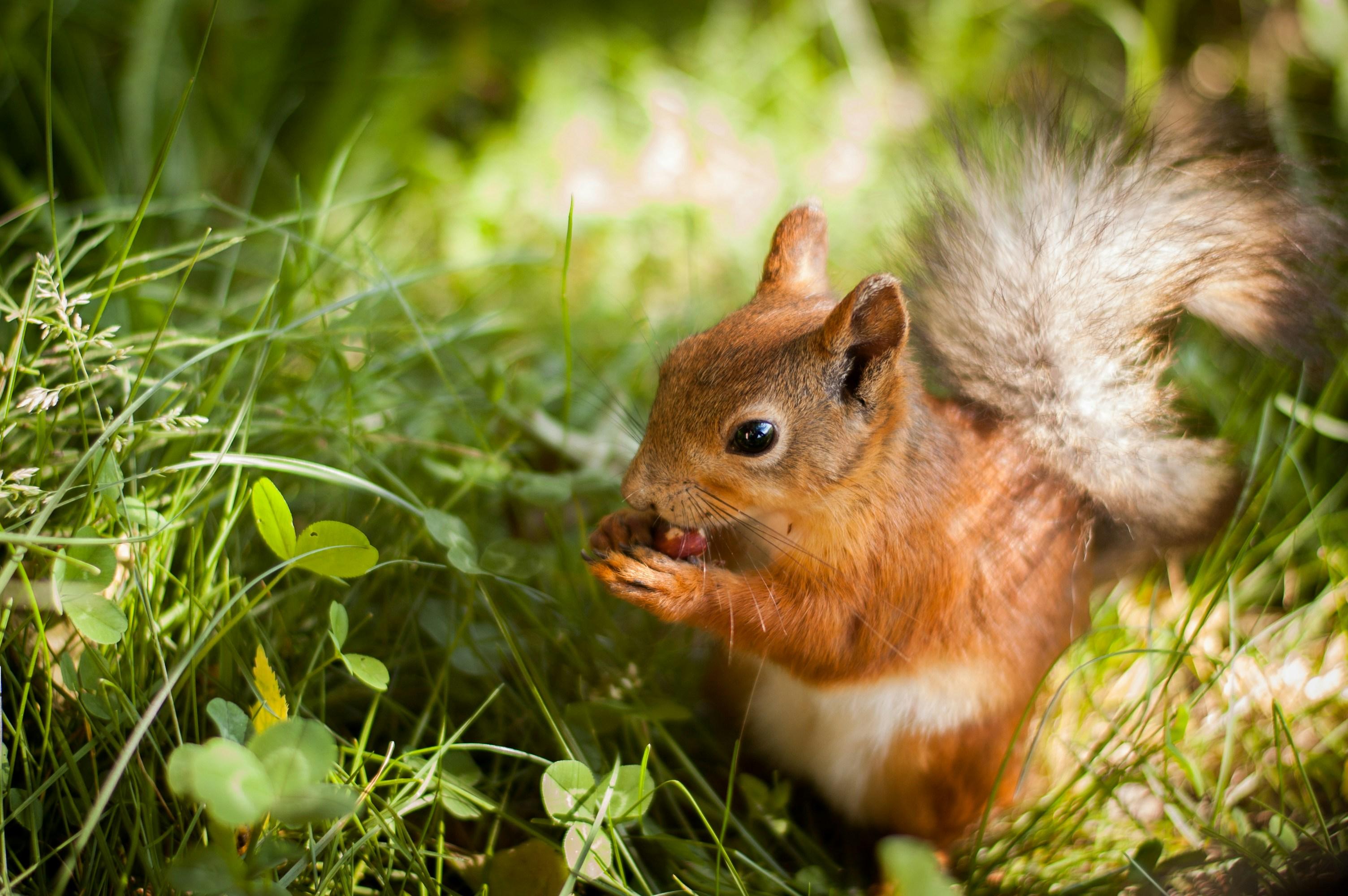
Nestled among the emerald blades of grass, a curious squirrel pauses mid-nibble, its small paws clasping an acorn like a treasured gemstone. The sunlight dapples through the canopy above, casting playful shadows that seem to dance around this little creature's head. It’s comical in a way, how such a tiny being, no larger than a child’s plush toy, can command an entire patch of earth with such focused determination—all while a nearby bird throws a noisy fit over its lunch.
In this fleeting moment, the squirrel’s behavior reveals a rich tapestry of emotional nuance. It exhibits a state of focused vigilance, which is essential for foraging effectively while avoiding predation. Research indicates that Eastern gray squirrels, specifically, maintain an astonishing average vigilance duration of about 8 to 9 seconds when feeding, a behavior influenced by both their immediate environment and the presence of potential threats. Despite being engrossed in savoring its find, this little creature is simultaneously hyper-aware, scanning its surroundings with those wide, startled eyes that seem to miss nothing. Approximately 30% of a squirrel’s foraging time is spent in proactive vigilance, a critical strategy as it balances the joys of feasting with the realities of survival.
To truly appreciate this behavioral complexity, one must consider not only the whimsicality of the moment but also its underlying science. Research has revealed that during foraging, squirrels experience fluctuating levels of the stress hormone cortisol—rise or fall in levels can sway their decision-making. Cortisol levels typically fluctuate by about 50% in response to perceived threats, highlighting how stress can affect their feeding efficiency. In essence, while a squirrel seemingly enjoys its acorn, it may be calculating escape routes and assessing dangers, much like we contemplate life choices while indulging in our favorite meal.
So, what does this mean for wildlife lovers hoping to support these clever creatures? One compelling insight is the significance of habitat diversity. Providing a variety of food sources can ease the stress of competition for resources and encourage healthy behaviors in urban squirrels. Academic research suggests that squirrels living in more diverse habitats enjoy a 20% higher reproductive success rate, underscoring the impact of ecological variety on their behaviors and well-being.
Ultimately, as we watch this diminutive creature savor its snack and tentatively dart in anticipation of unseen predators, we find a universal connection. In its small moments of joy and vigilance, the squirrel embodies a profound truth: life is a delicate balancing act, where we all must navigate the spaces between indulgence and caution. In embracing our own simple pleasures, perhaps we too can learn to savor the fleeting bites that life offers, even amidst lurking uncertainties.
 French
 Thai
Thai
 English
 Spanish
 Portuguese
 Deutsch
 Turkish
 Dutch
Dutch
 Italiano
 Russian