


 New! Search Engine
 About
About
 Terms
Terms
 Privacy
 Contact
 Invest
Tiny Monarchs: The Vigilance of Goldcrests in a Perilous World
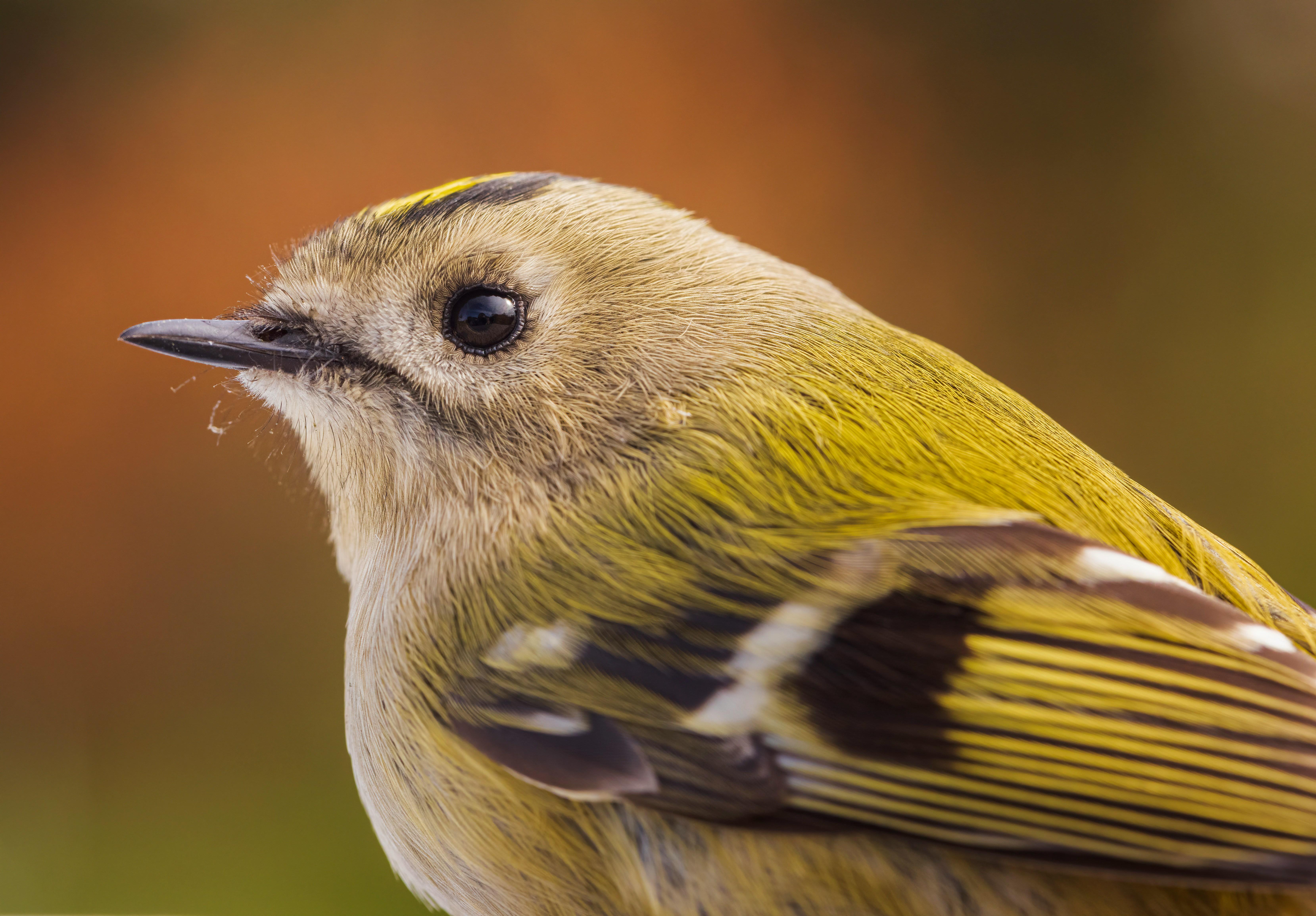
As the winter sun dances through the branches, a goldcrest stands perched on a twig, puffing out its feathers like a fluffy little pom-pom. Its delicate body shivers slightly in the crisp air, seemingly indifferent to the chill that permeates the serene background—a burst of fiery autumn hues that accentuate the bold yellow stripe atop its head. At just four inches long, this feathered dynamo is a marvel of evolution, equipped with extraordinary abilities to survive against the odds. Here in the heart of the forest, a hidden ballet of vigilance and survival unfolds, layered with nuance and grace.
Goldcrests are known for their astounding adaptability. However, their small size and high metabolic rates mean they often face considerable threats from predators. A study show that these birds experience an impressive average vigilance duration of nearly 47 seconds per minute, carefully scanning their surroundings for any sign of danger. They rely on the “sentinel behavior” of their peers; about 30% of a flock will act as sentinels, eyes darting to detect threats, while the others indulge in crucial foraging. This unique balance between alertness and nourishment reveals a complex social framework, underscoring both their individual strategies and the bonds formed within their groups.
To better support the wellbeing of these remarkable birds, it is essential for bird watchers and casual observers alike to appreciate their behavior and habitat needs. Minimizing disturbances when hiking through their favored territories can do wonders—keeping noise to a minimum and avoiding sudden movements helps these delicate creatures maintain their vigilance without undue stress. Interestingly, the presence of human activity can increase their baseline stress hormone levels by as much as 74%, underscoring the importance of creating a supportive environment. For every bird curious about its surroundings, there is a diligent observer yearning for sustenance—understanding this interplay enhances the connection we share with nature.
As we bear witness to the goldcrest's subtle maneuvers, we are reminded of our own delicate balance between scrupulous alertness and the need to embrace life’s finer moments. The goldcrest, with its bright features and seemingly endless energy, teaches us that even in a world fraught with anxiety, there exists beauty in being aware. Perhaps, in a fast-paced modern existence, we too should indulge in moments of quiet observation, allowing the dynamics of life to unfold undisturbed. In this shared journey of survival, we’re all small creatures navigating vast skies, each one of us a tiny monarch swaying in the winds of existence.
 English
 Thai
Thai
 French
 Spanish
 Portuguese
 Deutsch
 Turkish
 Dutch
Dutch
 Italiano
 Russian