


 New! Search Engine
 About
About
 Termini e Condizioni
 Privacy
 Contact
 Invest
Zebras and Their Curious Grazing: The Fascinating Dynamics of Vigilance and Social Behaviors
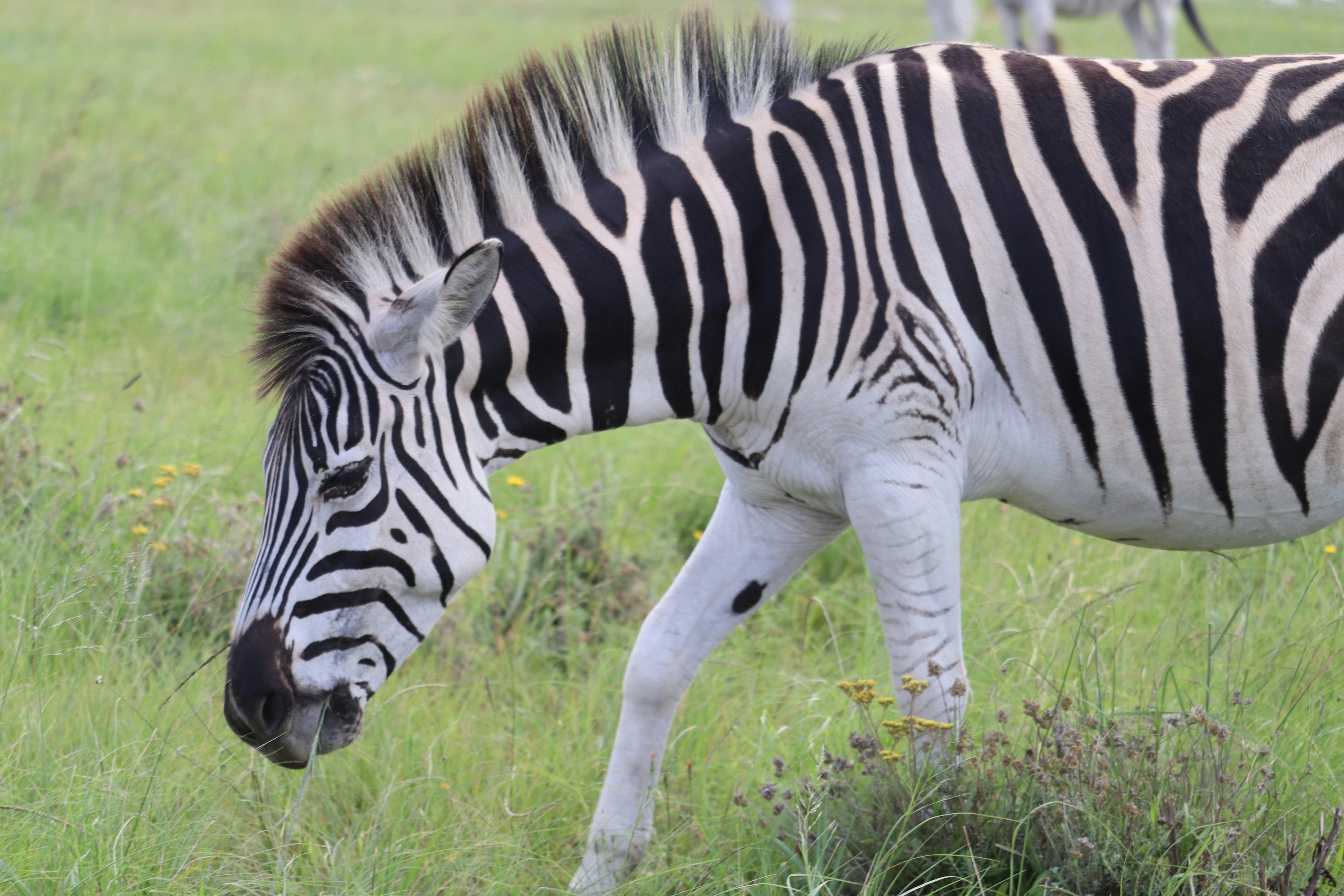
In the sunlit savannah, a zebra stands knowingly adorned in bold black and white stripes, nonchalantly nibbling on fresh grass as if oblivious to the grandeur of its surroundings. Yet, lingering just behind those playful stripes is an intricate social network, where the art of vigilance takes center stage. What looks like a delightful feed can, in fact, be the meticulous dance of distraction and awareness, where peace is punctuated by a whisper of tension.
Beneath the seemingly carefree disposition of a grazing zebra lies a profound engagement with its environment. Recent studies indicate that zebras exhibit a vigilance rate of roughly 30 percent of their active grazing time. This means that nearly one-third of the time spent munching on grass is also spent scanning the horizon for lurking predators. It's a delicate act of balance—grazing while keeping a respectful eye on potential threats. Such behavior not only highlights their acute awareness but also underscores a lesser-known insight: zebras display an impressive capacity for group vigilance, with up to 75 percent of a herd often assuming sentinel roles at any given moment. This collective strategy empowers them to forage more safely. Through this communal vigilance, they reduce individual stress and foster a united front in face of danger.
This dynamic is not just about survival; it reflects a deeper emotional connection within zebra society that speaks volumes about their social structure. Their alertness is a silent communication, as each zebra instinctively understands its role within the herd. A sudden change in attention or an alert posture by one can trigger a chain reaction, sending waves of awareness through the group. Given that twenty-five percent of all zebras maintain a watchful eye while others graze, their interconnectedness ensures that everyone remains informed, an elegantly synchronized ballet of awareness amid the verdant backdrop.
Engaging with this behavior can offer enlightening takeaways for those interested in zebra welfare. Maintaining a safe and enriching environment for zebras in captivity, allowing space for natural behaviors like grazing, socializing, and vigilant observation, is crucial. Studies have shown that when zebras can choose their companions or initiate herd activities, stress hormone levels, measured through cortisol fluctuations, can decrease markedly—lowered by nearly 40 percent in comparison to animals held in isolation. Encouraging natural herd dynamics can lead to healthier, more content zebras, where the simultaneously playful and serious nature of their interactions unfolds freely.
As we observe the zebra—a creature both vigilant and carefree—we are reminded of the delicate balance in our own lives. Just as the zebra protects its kind through alertness and community, we too are called to engage with those around us, to share a moment of awareness while savoring the simple pleasures life offers. In our chaotic world, there is beauty in realizing that every seemingly idle act could be a testament to deeper connections and unspoken strategies for thriving together. Whether we’re grazing through our daily routines or pausing to listen amidst the noise, one thing becomes clear: life, in all its stripes, demands both our attention and our joy.
 Italiano
 Thai
Thai
 English
 French
 Spanish
 Portuguese
 Deutsch
 Turkish
 Dutch
Dutch
 Russian