


 New! Search Engine
 About
About
 Termini e Condizioni
 Privacy
 Contact
 Invest
5G Cellular Router Transforming Internet Connectivity in a Wireless-First World
Introduction
The way we access the internet is evolving rapidly, and one technology leading this transformation is the 5G cellular router. As demand for faster speeds, lower latency, and reliable connectivity grows, traditional wired connections are no longer enough for many users. A 5G cellular router offers a powerful alternative, delivering high-speed internet through mobile networks without the limitations of cables or fixed infrastructure.
What Is a 5G Cellular Router?
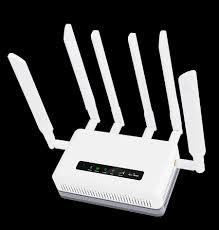
A 5G cellular router is a networking device that uses a 5G mobile network to provide internet access to multiple devices. Unlike standard routers that rely on fiber, DSL, or cable connections, this router connects directly to a cellular network using a SIM card. It then distributes the connection via Wi-Fi or Ethernet to homes, offices, and industrial systems.
This technology is particularly valuable in areas where wired internet is unreliable, unavailable, or expensive. With 5G coverage expanding globally, cellular routers are becoming a practical solution for both temporary and permanent internet needs.
Why 5G Makes a Difference
The introduction of 5G has significantly changed what cellular internet can achieve. Compared to earlier generations, 5G offers dramatically higher speeds, reduced latency, and the ability to support more connected devices at once. When paired with a 5G cellular router, these benefits translate into a smoother and more responsive internet experience.
Users can stream high-definition video, participate in video conferences, and run cloud-based applications with minimal lag. For businesses, this means improved productivity and greater flexibility in where operations can be set up.
Use Cases for a 5G Cellular Router
One of the biggest advantages of a 5G cellular router is its versatility. In residential settings, it can serve as a primary internet connection or a reliable backup during outages. For people living in rural or remote areas, a cellular router may be the only way to access high-speed internet.
In business environments, 5G cellular routers support remote offices, pop-up locations, and mobile workspaces. Construction sites, outdoor events, and emergency response teams also rely on these routers to stay connected without depending on fixed infrastructure.
Benefits Over Traditional Internet Connections
A 5G cellular router offers several benefits over wired alternatives. First, installation is quick and simple. There is no need for extensive cabling or waiting for service providers to set up lines. Once a SIM card is activated, the router can be online within minutes.
Second, mobility is a key advantage. A 5G cellular router can be relocated easily, making it ideal for users who move frequently or need internet access in different locations. This flexibility is especially valuable in today’s remote and hybrid work environments.
Reliability and Backup Connectivity
Internet reliability is critical for both homes and businesses. A 5G cellular router can act as a dependable backup connection, automatically taking over if a primary wired connection fails. This ensures continuous access to essential online services.
Many modern routers include failover features, allowing seamless switching between networks. For organizations that rely on constant connectivity, this added layer of reliability can prevent costly downtime.
Performance and Speed Expectations
With a industrial modem users can experience impressive download and upload speeds, often comparable to fiber connections in well-covered areas. Performance depends on factors such as network coverage, signal strength, and router quality, but advancements in 5G technology continue to improve consistency.
Low latency is another major advantage. Applications such as online gaming, real-time monitoring, and video conferencing benefit greatly from the reduced delay offered by 5G networks.
Security Considerations
Security is an important aspect of any networking solution. A 5G cellular router typically includes built-in security features such as firewalls, VPN support, and encrypted connections. These features help protect data from unauthorized access.
For businesses, cellular routers can be configured to meet specific security requirements, ensuring safe communication between remote devices and central systems. This makes them suitable for industries that handle sensitive information.
The Role of 5G Cellular Routers in Smart Technologies
As smart homes and smart cities become more common, the 5G cellular router plays an increasingly important role. It can connect IoT devices, sensors, and automation systems without relying on fixed internet lines. This is particularly useful for temporary installations or expanding networks quickly.
In industrial settings, 5G routers support real-time data collection, predictive maintenance, and remote monitoring. These capabilities help improve efficiency and reduce operational costs.
Choosing the Right 5G Cellular Router
When selecting a 5G cellular router, it’s important to consider factors such as network compatibility, antenna quality, and supported frequencies. Some routers are designed for indoor home use, while others are built for industrial environments with rugged conditions.
Understanding your usage needs—such as the number of connected devices and expected data consumption—will help you choose a router that delivers optimal performance.
The Future of Connectivity
The demand for flexible, high-speed internet continues to grow, and the 5G cellular router is positioned to play a central role in this future. As 5G coverage expands and technology advances, these routers will become even more powerful and accessible.
See more our website : visit here
 Italiano
 Thai
Thai
 English
 French
 Spanish
 Portuguese
 Deutsch
 Turkish
 Dutch
Dutch
 Russian