


 เกี่ยวกับ
 เงื่อนไข
 ความเป็นส่วนตัว
 Contact
 Invest
The Culinary Flight of the Peregrine Falcon
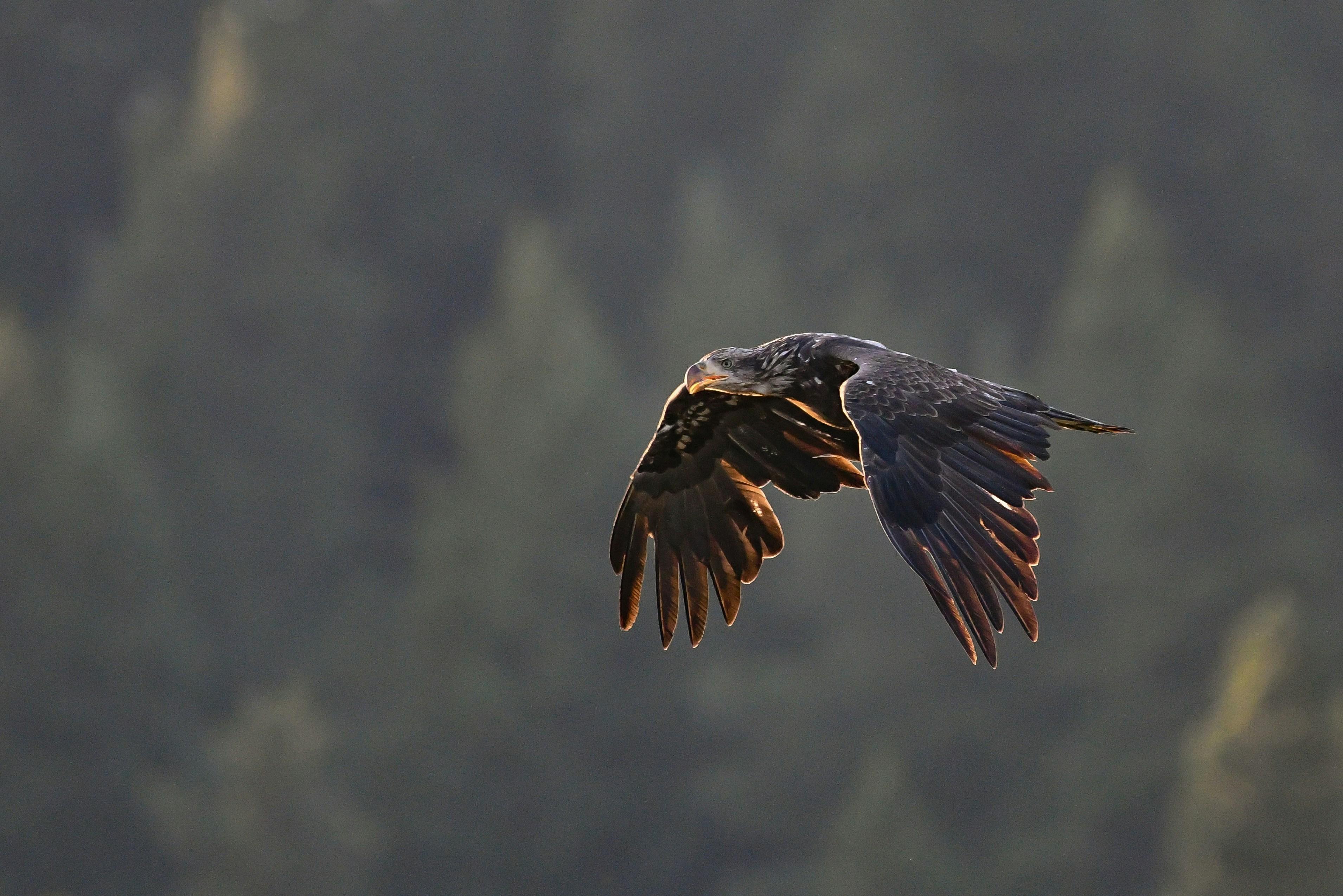
Imagine the world’s fastest bird, the peregrine falcon, swooping down at speeds of over 240 miles per hour. This breathtaking aerial acrobat isn’t just a marvel of nature but also a fascinating inspiration for culinary exploration, particularly in the world of game birds. The flavor profiles of wild birds vary dramatically, influenced not only by their diet but also by their flight patterns and habitats. In stark contrast to the bland uniformity often found in commercially raised poultry, game birds offer a complex array of tastes, shaped significantly by their adventurous lives.
Eating game birds connects us to the natural world, enhancing our appreciation of biodiversity. The existence of myoglobin, a protein in muscle tissue that serves as a reservoir for oxygen in animals that fly, plays a crucial role in the deeper, richer flavors found in these birds. For instance, grouse—which thrive in wooded areas—carry the essence of heather and grass in every bite. This distinctive taste arises from their varied diets, which include not just insects and seeds but also the flavorful herbs and berries native to their environments.
Cooking these birds requires a fine-tuned approach, often less about the intricacies of technique and more about honoring their inherent qualities. A simple brining process—utilizing salt, water, and aromatic herbs—can accentuate their rich flavors. Roasting, too, can be a gateway to understanding how heat transforms the delicately textured meats into something sublime, releasing their unique essence into the kitchen.
As we sit at our dining tables, savoring dishes inspired by these wild denizens of the sky, we realize that they are not merely ingredients but storytellers. Each bite is a moment of time captured, a testament to the interplay of nature’s cycle and culinary tradition. In a world teeming with choices, the flavors of game birds invite us to pause and reflect on the deeper connections between food, nature, and our cultural heritage.

 English
 French
 Spanish
 Portuguese
 Deutsch
 Turkish
 Dutch
Dutch
 Italiano
 Russian