


 About
About
 Terms
Terms
 Privacy
 Contact
 Invest
A Dance with Darkness: The Silent Flight of the Owl
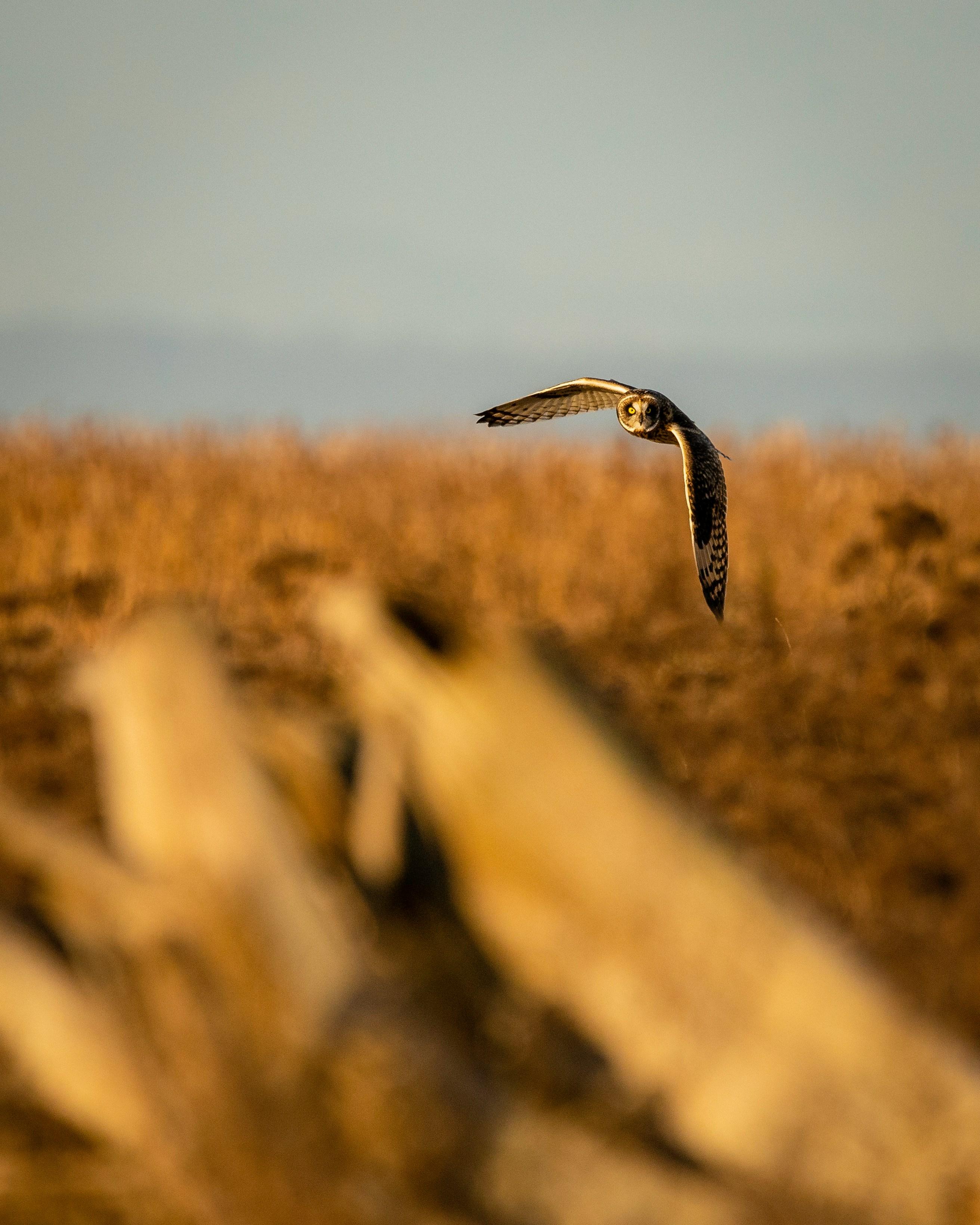
As the sun dips below the horizon, the landscape transforms, and an expert of the twilight takes to the skies. The owl, with its mesmerizing agility, embodies the long-held fascination humans have for creatures that thrive in darkness. With silent wings that whisper through the night, an owl can move with a precision that belies its reputation as a hunter. This avian master of stealth has evolved extraordinary adaptations that allow it to exploit the cover of darkness to its advantage.
The hollow feathers of an owl create a unique structure that minimizes sound as they glide. This remarkable trait, coupled with exceptional night vision and a deeply acute sense of hearing, makes it an astonishing predator. The fascinating mechanism of its asymmetrical ear placement allows the bird to triangulate faint sounds in total darkness, pinpointing the slightest movement of prey. This stealth, however, does not merely revolve around hunting; it gives the owl an edge in evading predators, showcasing an intricate balance of predator and prey dynamics.
Interestingly, their behavior often flickers between the serious and the comical. In the quiet of a dusky field, witnessing an owl suddenly tilt its head curiously at a passerby can be both disconcerting and oddly endearing. Despite their reputation of wisdom, they can engage in quirky antics that remind us of their avian nature.
In the grand tapestry of the ecosystem, owls represent a fascinating intersection of adaptability and predation. Studies indicate that owls consume around 1,250 tons of rodents and pests in a single year in some regions, illustrating their vital role in population control. As night descends, these creatures not only hunt but also remind us of the wonders of biological behavior, allowing us to appreciate the delicate connections that exist under the veil of darkness.

 Thai
Thai
 French
 Spanish
 Portuguese
 Deutsch
 Turkish
 Dutch
Dutch
 Italiano
 Russian