


 Über
Über
 Bedingungen
 Datenschutz
 Contact
 Invest
The Art of Observation in Nature
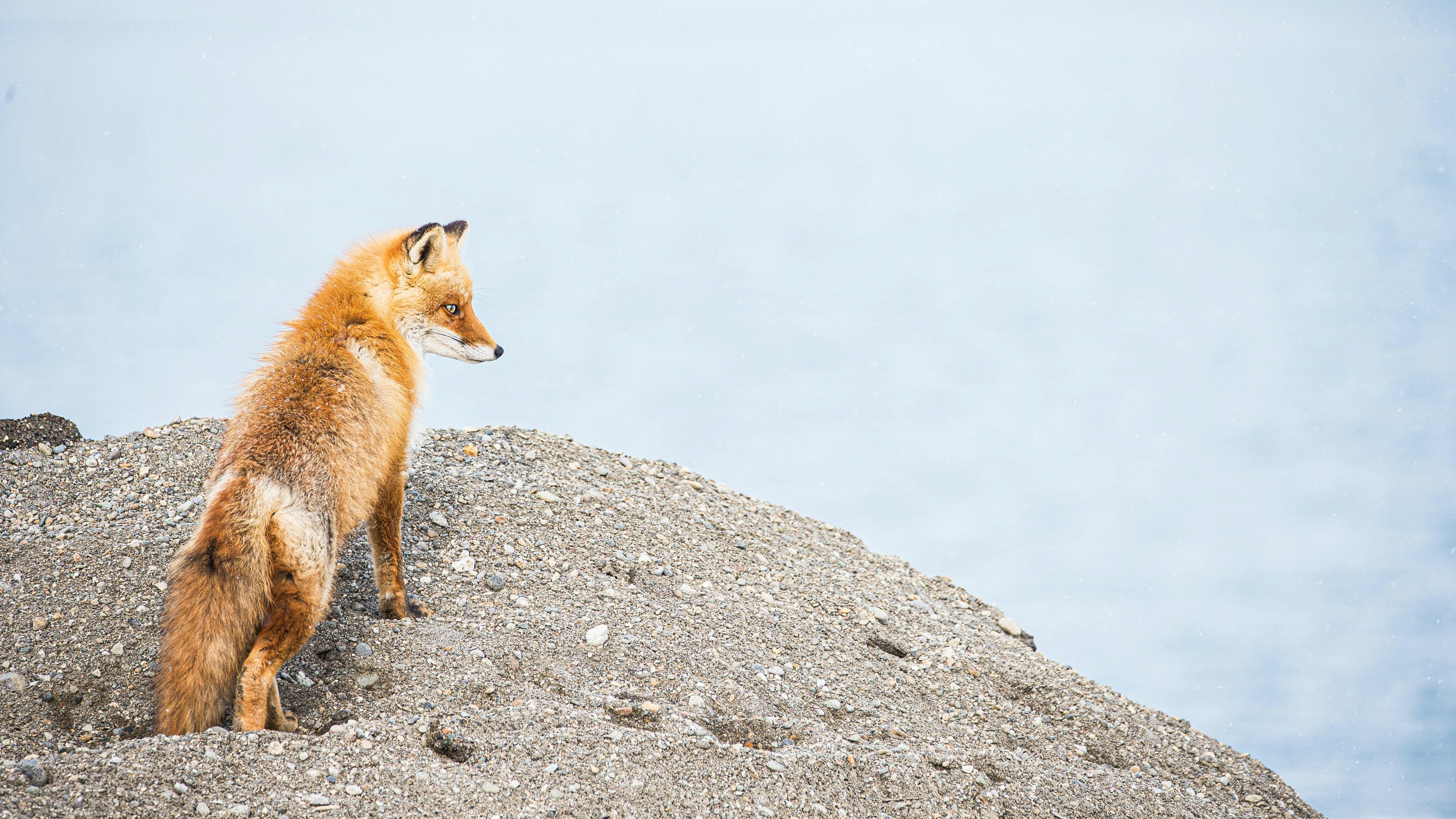
In the quiet stillness of an open landscape, a red fox perches on a mound of earth, gazing intently over the water's edge. The fox, with its vivid coat glimmering in the soft light, embodies the essence of instinctual behavior, striking a balance between curiosity and caution. This moment is not just a silent observation; it is a powerful display of survival strategy.
Foxes possess a keen sense of observation that enables them to thrive in diverse habitats. Their eyes, equipped with superior night vision, reflect their adaptability. As they venture into both urban and wild landscapes, they employ a cautious demeanor that belies their playful reputation. One might chuckle at the idea of a fox strategizing like a seasoned detective, analyzing its environment for movement or sounds. Yet, this mischief is merely a façade behind an astute predator.
A striking feature of fox behavior is their intricate interaction with human-made environments. Research indicates that urban foxes adapt fluidly, navigating obstacles and securing food sources where traditional hunting may falter. Observing a fox rummaging through a trash can might spark laughter, but the lesson here is profound: adaptability is the hallmark of success.
Embodying the spirit of resilience, the fox illustrates that survival requires more than mere instincts; it necessitates an acute awareness of surroundings. Consider that over 70% of a fox's diet can include carrion and refuse where prey might be scarce. In a world increasingly modified by human presence, these clever canids serve as a reminder of nature’s ability to adapt and thrive.
In those fleeting moments spent in nature, we are compelled to observe, learn, and reflect upon the delicate balance of life. Each glance at a creature like the fox reveals not just instinct, but a narrative of ingenuity, resilience, and an endless dance with survival.
 Deutsch
 Thai
Thai
 English
 French
 Spanish
 Portuguese
 Turkish
 Dutch
Dutch
 Italiano
 Russian