


 About
About
 Koşullar
 Gizlilik
 Contact
 Invest
The Elk's Symphony: Nature's Masterclass in Social Structure
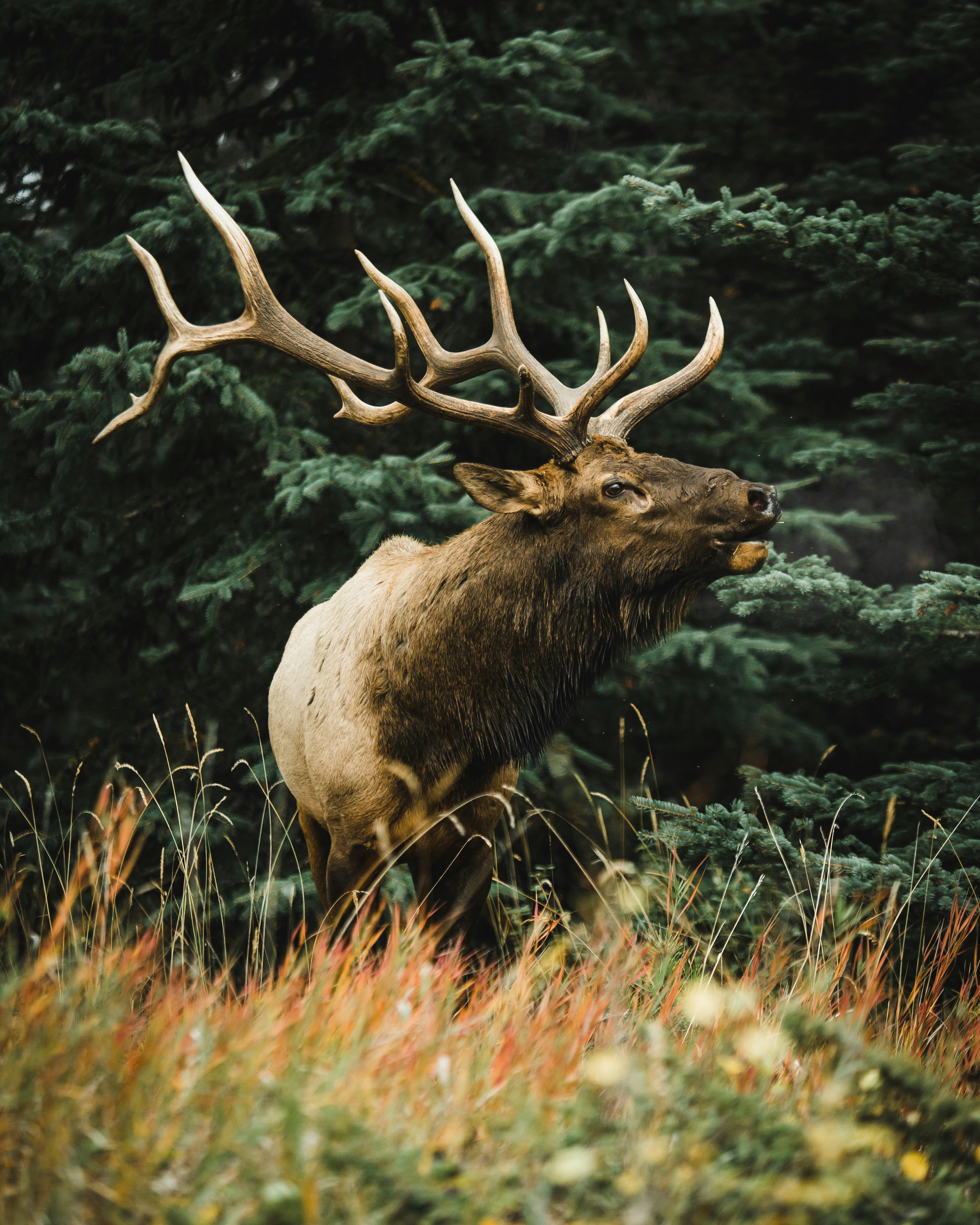
In the wild expanses of North America, the elk stands tall as a symbol of the intricate social dynamics that govern many animal species. With antlers that seem almost regal, these majestic creatures engage in a dramatic annual ritual that encapsulates their biological behaviors and social hierarchies. This time of year, the air is thick with the echoing bugles of male elks, a call that reverberates through the forests, beckoning females and warning competitors.
During the mating season, also known as the rut, male elks showcase not only their physical prowess but also exhibit complex behavioral strategies. The sheer size and antler configuration serve as indicators of genetic fitness, standing as a billboard to females of their suitability as mates. Interestingly, studies have shown that the most successful males are not necessarily the largest; instead, they are often those with better behavioral strategies, demonstrating the power of wit over sheer size in the natural world.
Not all is harmonious, however. The cacophony of calls and clashes of antlers sends ripples through the herd, creating a tense atmosphere charged with anticipation. As battles unfold, a curious observer may notice brief moments of humor amidst the seriousness—a male’s enthusiastic prancing or the comical attempts at intimidation that ultimately fall flat. These subtle interactions highlight the delicate balance between aggression and cooperation among the elks.
Elk populations can average around 1 million individuals in North America, yet each one contributes to a larger narrative of survival and reproduction. As they graze, socialize, and engage in this intricate dance of life, they reveal insights into the evolutionary mechanisms that drive their behaviors. Understanding these patterns not only deepens our appreciation for the elk but also offers a broader glimpse into the fascinating complexity of nature itself.

 Thai
Thai
 English
 French
 Spanish
 Portuguese
 Deutsch
 Dutch
Dutch
 Italiano
 Russian