


 Sobre
Sobre
 Termos
 Privacidade
 Contact
 Invest
The Joy of Canine Aquatics
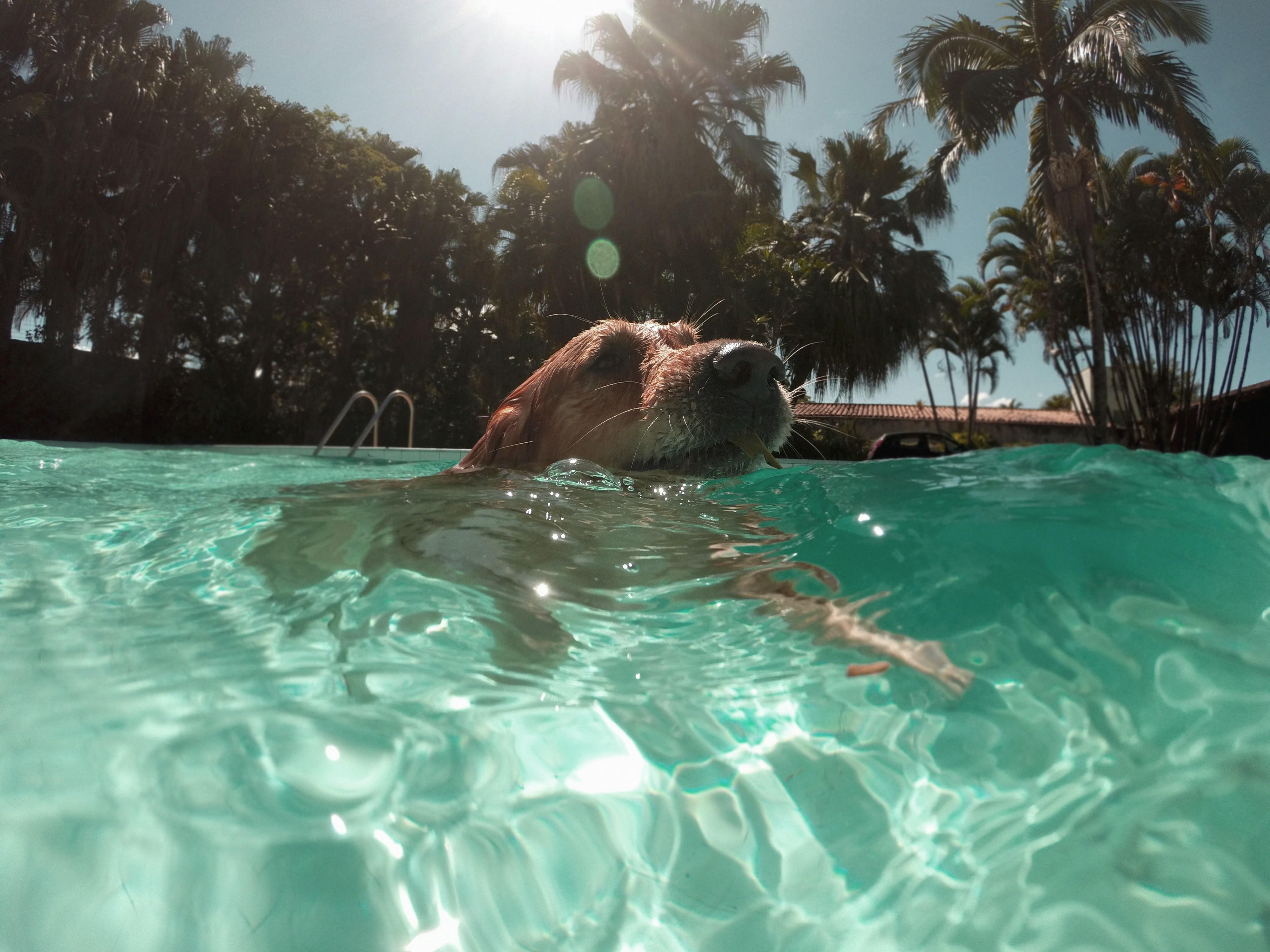
In the serene setting of a sunlit pool, a dog surfaces, its wet fur glistening under the warm rays. This moment captures not just a playful act but a delightful fusion of instinctual behavior and learned enjoyment. Dogs, descendants of wolves, exhibit a profound adaptability, evident in how they engage with water. While many breeds are naturally inclined to swim, some may hesitate or even shy away from the water. Their relationship with this element reflects a blend of instinct and environment, showcasing the nuances of biological behavior.
The act of swimming taps into primal instincts. Retrievers, for example, exhibit a strong affinity for water, often harkening back to a lineage steeped in waterfowl hunting. Their webbed feet serve a purpose, a significant evolutionary adaptation that enhances their swimming efficiency. This canine delight in splashing through water is not merely recreation; it aids in thermoregulation and provides an outlet for built-up energy—qualities that are critical in maintaining a dog’s overall health and well-being.
Humorously, one might consider the perspective of a dog as they triumphantly paddle across the surface, showcasing a curious combination of grace and splash, perhaps reminiscent of a buoyant seal. Observing their antics offers insight into how joyful engagement with their environment speaks volumes about their cognitive and emotional states.
Interestingly, studies reveal that swimming can significantly enrich a dog’s life, with researchers noting it may reduce behavioral problems by up to 30%. As we celebrate the gleeful dog emerging from the water, we're reminded of the intricate interplay between biology and behavior, revealing how even the simplest pleasures—like a dip in the pool—can hold deeper significance in the world of our beloved pets.
 Portuguese
 Thai
Thai
 English
 French
 Spanish
 Deutsch
 Turkish
 Dutch
Dutch
 Italiano
 Russian