


 About
About
 Terms
Terms
 Privacy
 Contact
 Invest
The Curious Culinary Exploration of Cats
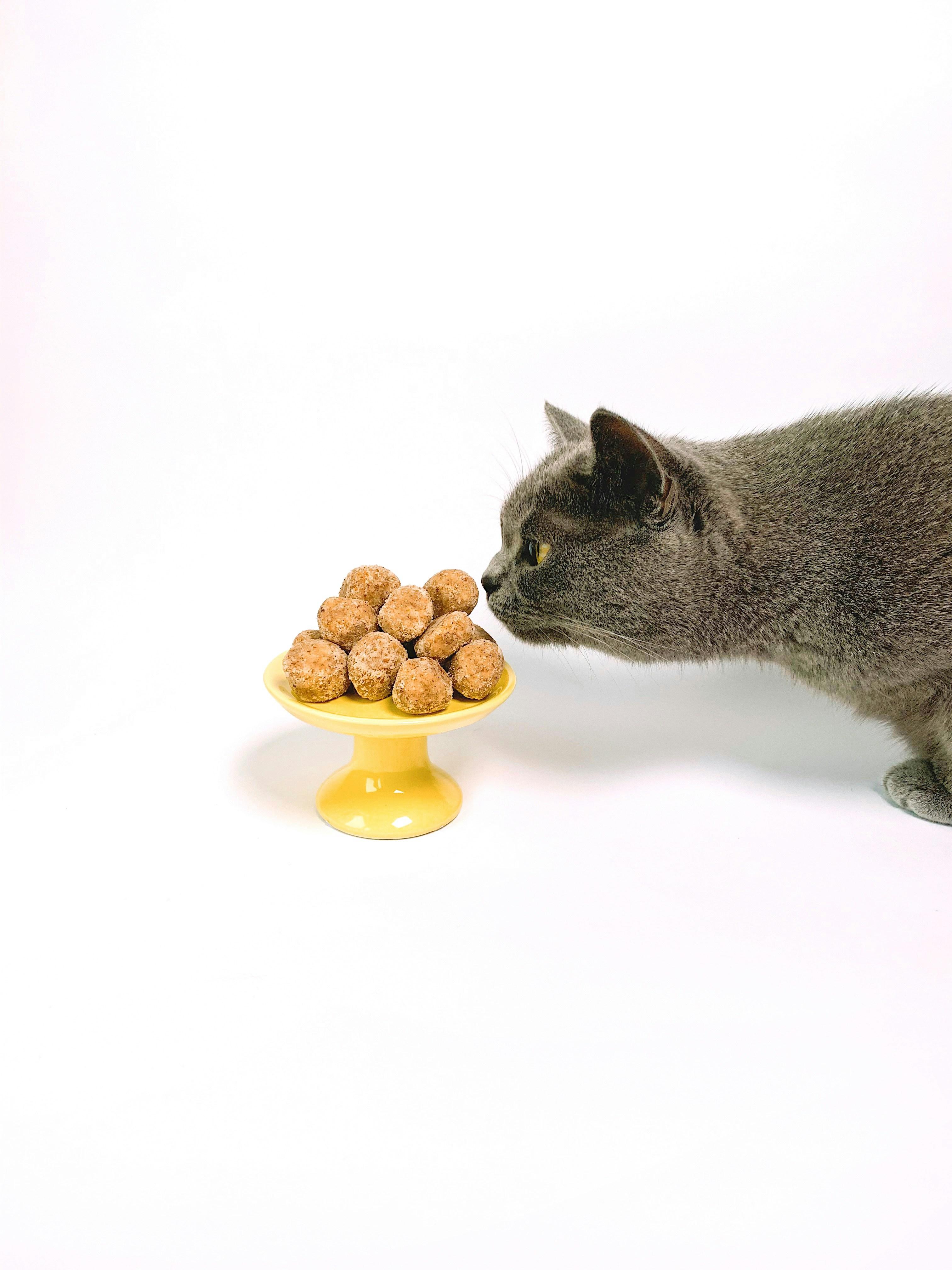
There’s a fascinating intersection between our domestic lives and the behavior of cats, a realm where curiosity often reigns supreme. Look closely, and you might notice the intricacies of feline behavior as it unfolds in a single moment. A cat, with its perceptive nose whisker-close to a plate of treats, reveals something profound about instinctual behavior and sensory acceptance.
While most may see merely a cat intrigued by snacks, this interaction unveils a complex tapestry of evolution and survival. Cats possess a keen sense of smell, estimated to be 14 times more sensitive than that of humans. This heightened olfactory capability not only helps them detect food but also allows them to navigate their environments in ways that are often unseen. As they lean in, their whiskers twitching, one can almost hear their internal debate: a clash of instinct and curiosity against the backdrop of cautious exploration.
Humorously, it's as if they momentarily forget their regal reputation, letting their primal urges kindle a kind of culinary adventure. This very behavior echoes natural instincts that lead wild cats to hunt. The whiskers serve a purpose beyond mere aesthetics—they are sentinels for detecting nearby objects, ensuring safe navigation even in limited light. In this moment captured, the interplay between food and instinct is a microcosm of larger biological narratives.
In contemplating this scene, one might consider that cats, often described as solitary, come alive in shared experiences over food. It’s an odd yet delightful truth: almost 90% of a cat’s time is spent sleeping, yet they can swiftly spring from a slumber at the slightest whiff of enticing aromas. Let's take a moment to appreciate that in a world where felines reign as masters of leisure, they still hold the tantalizing promise of adventure—especially when snacks are involved.

 Thai
Thai
 French
 Spanish
 Portuguese
 Deutsch
 Turkish
 Dutch
Dutch
 Italiano
 Russian