


 Environ
 Conditions générale de vente
 Confidentialité
 Contact
 Invest
Mandala Wall Art: A Timeless Expression of Harmony, Meaning, and Style
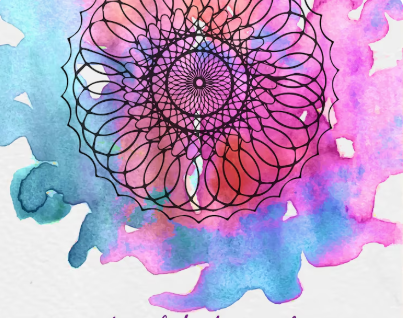
Mandala wall art has become a powerful design element in modern interiors, blending ancient symbolism with contemporary aesthetics. From minimalist apartments to bohemian-inspired homes, mandalas bring a sense of balance, mindfulness, and visual depth to any space. Rooted in centuries-old spiritual traditions, mandala wall art has evolved into a versatile décor choice that resonates with people seeking both beauty and meaning in their surroundings.
Understanding the Meaning Behind Mandala Wall Art
The word “mandala” originates from Sanskrit and loosely translates to “circle” or “center.” Traditionally, mandalas were used in Hindu and Buddhist practices as tools for meditation, spiritual guidance, and self-reflection. Their symmetrical patterns represent the universe, wholeness, and the connection between the inner self and the outer world.
In home décor, mandala wall art carries this same symbolic weight. The circular designs and repeating patterns naturally draw the eye inward, creating a calming effect. Many people choose mandala wall art not only for its visual appeal but also for the peaceful atmosphere it helps cultivate within a room.
Why Mandala Wall Art Is So Popular in Interior Design
One reason mandala wall art has gained widespread popularity is its versatility. It effortlessly complements a wide range of interior styles, including modern, rustic, eclectic, bohemian, and even traditional décor. Whether rendered in bold colors or subtle neutrals, mandalas adapt beautifully to different spaces and moods.
Mandala wall art also appeals to those who value intentional living. In a fast-paced world, home environments are increasingly designed to promote relaxation and mindfulness. Mandalas, with their balanced geometry and flowing patterns, naturally encourage a sense of calm and focus, making them ideal for bedrooms, living rooms, yoga studios, and meditation areas.
Different Styles of Mandala Wall Art
Mandala wall art comes in a wide variety of styles, allowing homeowners to find pieces that align with their personal taste.
Painted mandalas often feature vibrant colors and intricate detailing. These are ideal for creating a focal point in a room and work well in creative or bohemian spaces. Black-and-white mandala designs, on the other hand, offer a more minimalist and contemporary feel, making them perfect for modern interiors.
Wooden mandala wall art has also become increasingly popular. Carved or laser-cut wood mandalas add texture, warmth, and a natural element to a space. Metal mandala wall art offers a sleek and industrial look, often used in modern or transitional décor. Fabric-based mandalas, such as tapestries, bring softness and flexibility, making them easy to hang and style.
Choosing the Right Mandala Wall Art for Your Space
Selecting the right mandala wall art depends on several factors, including room size, color scheme, and the atmosphere you want to create. Large mandala wall art pieces work well as statement décor, especially above sofas, beds, or dining tables. Smaller mandalas are ideal for gallery walls or accent spaces such as hallways and reading nooks.
Color plays a significant role in the emotional impact of mandala wall art. Warm tones like reds, oranges, and yellows add energy and vibrancy, while cool tones such as blues and greens promote tranquility and relaxation. Neutral palettes provide balance and sophistication, blending seamlessly with existing décor.
The level of detail is another important consideration. Highly intricate mandala wall art draws attention and invites closer inspection, while simpler designs offer a more subtle and understated look.
Mandala Wall Art and Mindful Living
Incorporating mandala wall art into your home goes beyond aesthetics. Many people use mandalas as visual anchors for mindfulness and meditation practices. Placing mandala wall art in a quiet space can serve as a reminder to pause, breathe, and reconnect with the present moment.
For yoga or meditation rooms, mandala wall art can enhance focus and intention. The symmetry and repetition in mandala designs naturally guide the mind toward stillness, making them powerful tools for mental clarity and emotional balance.
Decorating Different Rooms with Mandala Wall Art
Mandala wall art works beautifully in nearly every room of the home. In living rooms, it creates a welcoming and harmonious focal point that encourages conversation and relaxation. Bedrooms benefit from mandala designs that promote calm and restfulness, especially when placed above the bed or on a feature wall.
In home offices, mandala wall art can inspire creativity and concentration. Its balanced patterns help reduce visual clutter and create a sense of order. Bathrooms and entryways can also be enhanced with mandala wall art, adding character and warmth to spaces that are often overlooked.
Cultural Appreciation and Modern Expression
While mandala wall art is widely used in modern décor, it is important to appreciate its cultural and spiritual roots. Mandalas have long been sacred symbols, created with intention and reverence. Today’s artists and designers continue this tradition by reinterpreting mandalas in ways that respect their origins while making them accessible to a global audience.
This blend of tradition and innovation is part of what makes mandala wall art so enduring. It bridges the gap between ancient wisdom and modern living, offering both visual beauty and deeper meaning.
Caring for Your Mandala Wall Art
Proper care ensures that mandala wall art remains beautiful for years to come. Wooden and metal mandalas should be dusted regularly and kept away from excessive moisture. Painted or printed mandala wall art should be protected from direct sunlight to prevent fading. Fabric mandalas may require gentle cleaning depending on the material.
Taking care of mandala wall art is also a way of honoring the craftsmanship and intention behind each piece.
The Lasting Appeal of Mandala Wall Art
Mandala wall art is more than a decorative trend; it is a timeless expression of harmony, balance, and self-awareness. Its ability to transform spaces emotionally and visually makes it a meaningful addition to any home. Whether chosen for its spiritual symbolism, artistic beauty, or calming influence, mandala wall art continues to resonate with people across cultures and design styles.
By incorporating mandala wall art into your living space, you create an environment that reflects intention, creativity, and inner peace. In a world that often feels chaotic, mandala wall art serves as a gentle reminder of balance, unity, and the beauty found in symmetry.
 French
 Thai
Thai
 English
 Spanish
 Portuguese
 Deutsch
 Turkish
 Dutch
Dutch
 Italiano
 Russian