


 Über
Über
 Bedingungen
 Datenschutz
 Contact
 Invest
With a purposeful gait, the solitary bear meanders through the shallow water, its reflection rippling in the serene surface. This moment offers a glimpse into the captivating interplay of instinct and adaptability in the animal kingdom. Bears are often car
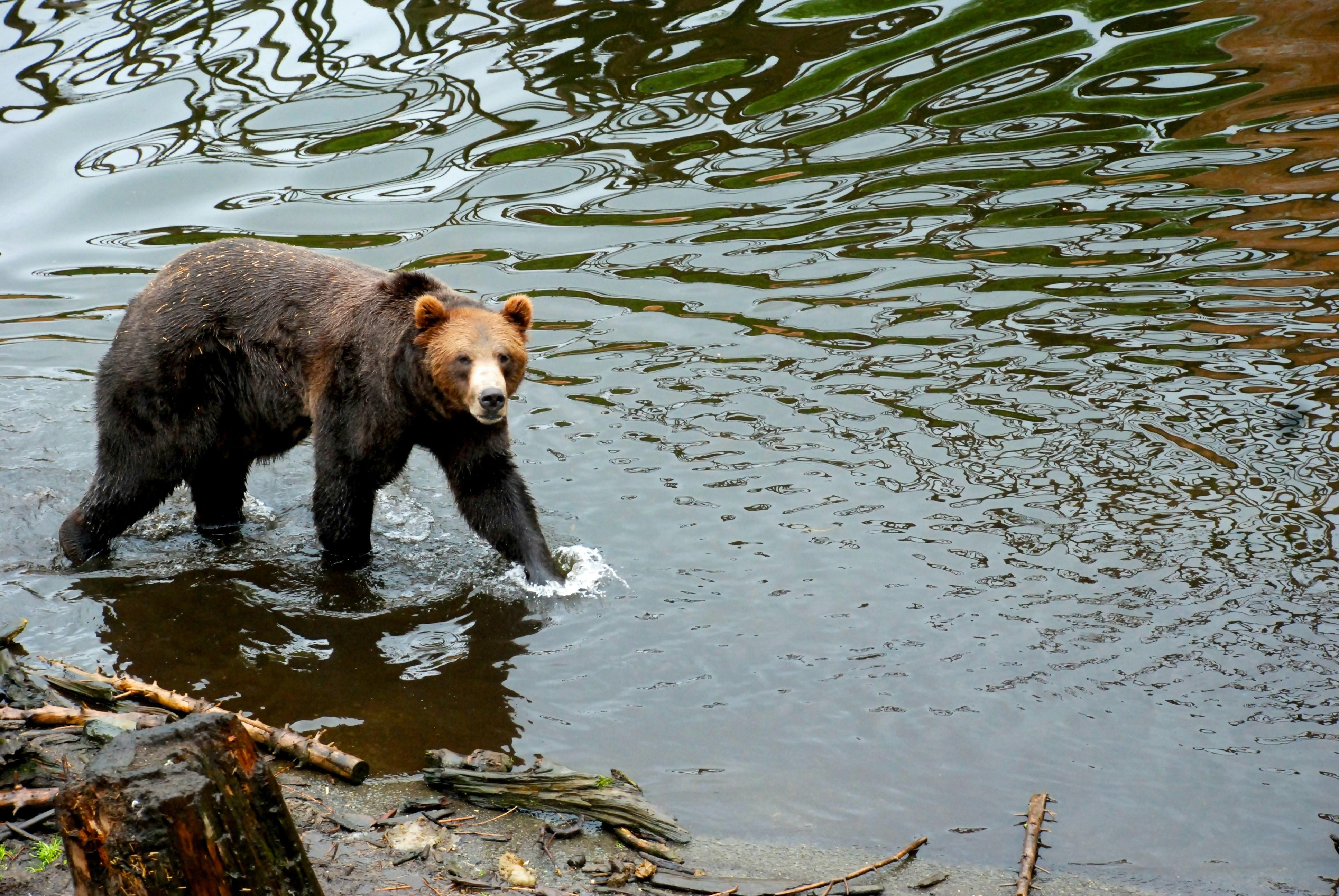
In many ways, a bear’s behavior is a lesson in survival. The way it forages for food reflects a complex understanding of its environment. In the wild, this intuitive knowledge allows them to assess the richness of their habitat, choosing the most nutrient-dense sustenance to prepare for winter. Seasonal cache-building showcases a remarkable foresight; a grizzly can consume upwards of 20,000 calories a day during the autumn months, not just indulging but meticulously storing energy for harsher times ahead.
This bear’s foray into water also highlights an often-overlooked aspect of their behavior: playfulness. Bears are known to engage in activities that seem purely recreational, such as splashing in streams or rolling in mud. Researchers suggest that such behaviors are not merely for convenience or comfort; they promote social bonding and cognitive development, seemingly offering a balance of instinct and joy.
As this creature navigates its habitat, it's a reminder of nature's subtle complexity. While a brown bear can weigh between 300 to 1,500 pounds, its impressive capacity for both strength and delicate movement is a marvel of evolution. Each step through the water is a dance between power and grace, embodying the essence of wildness. Observing nature, we find ourselves reflecting on the fundamentals: survival, play, and the intricate web connecting all living beings in the web of life.
 Deutsch
 Thai
Thai
 English
 French
 Spanish
 Portuguese
 Turkish
 Dutch
Dutch
 Italiano
 Russian