


 เกี่ยวกับ
 เงื่อนไข
 ความเป็นส่วนตัว
 Contact
 Invest
Dotted Companions: The Biology Behind Our Faithful Friends
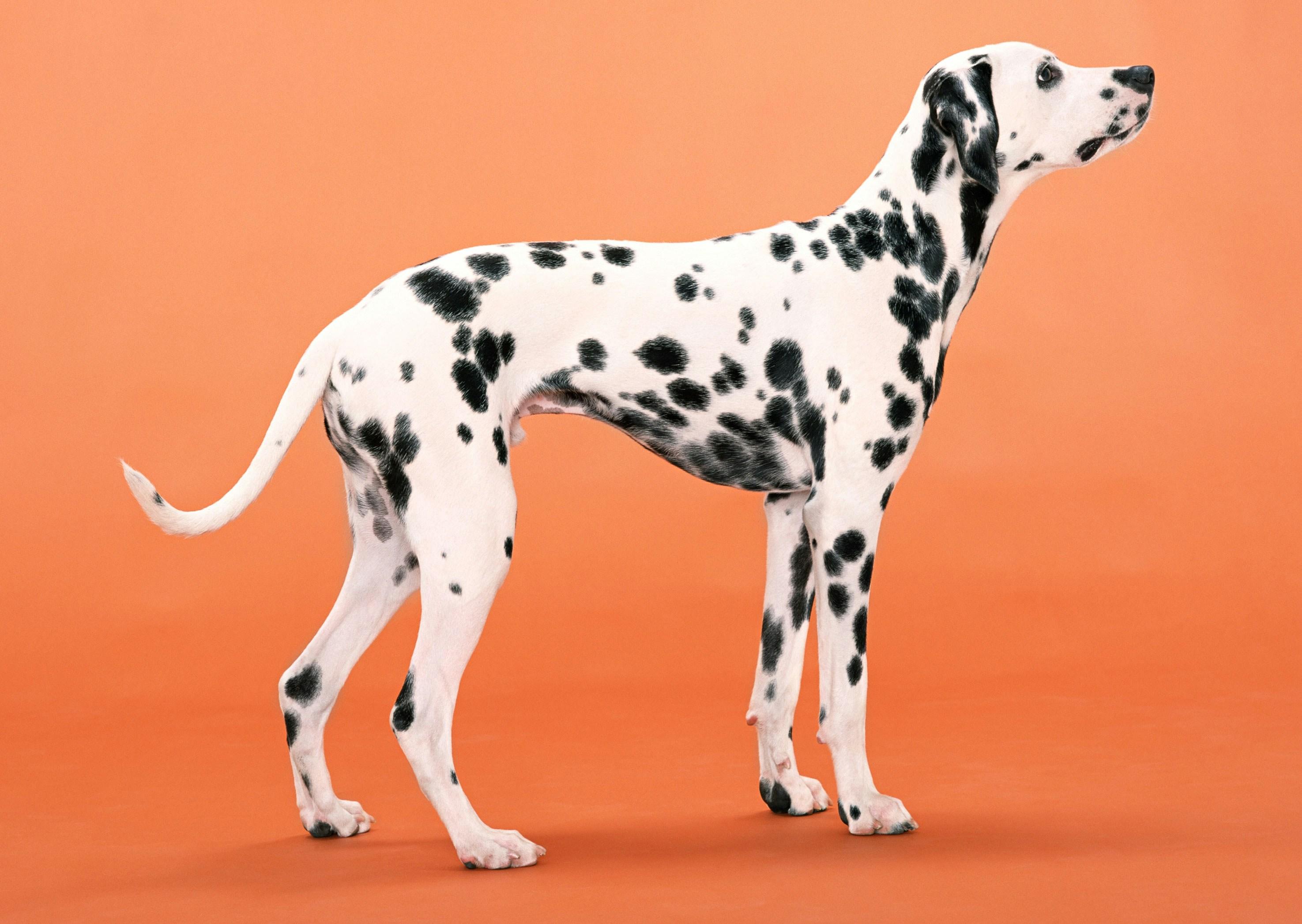
Few sights capture the heart quite like a Dalmatian strutting its stuff, the black spots on its white coat creating a stunning visual contrast. But beyond their aesthetic appeal lies a remarkable story of evolution, genetics, and behavior. The Dalmatian's distinctive patterns stem from a complex set of genetic instructions, specifically the interaction of the A and C genes that govern coat color, but they also hint at a fascinating connection to the dog's history as a carriage dog and firehouse mascot.
This breed’s biological behavior offers profound insights into canine social structures. Dalmatians thrive on companionship and often display a tendency to protect, which can be traced back to their ancestral roles as guardians. When they bond with humans, it reveals the depth of their social intelligence, a trait that has evolved over thousands of years through domestication. The ability to interpret human emotions and respond appropriately elevates our relationship with these animals to a profound level, establishing them as not only pets but also companions and guardians.
With their boundless energy and playful demeanor, Dalmatians showcase a combination of instinctual and learned behaviors. Their natural inclination to chase and herd, akin to their ancestors, remains evident in their playful antics. It’s this fascinating blend of biology and personality that makes them endearing to so many. Interestingly, studies show that canines can distinguish between different human emotions, a testament to their keen social awareness.
As we admire these spotted dogs, it’s worth noting that behavioral issues can arise from both genetics and upbringing. Approximately 50% of a dog's temperament is inherited, while the rest is shaped by environment. Understanding this nuanced interplay not only enriches our appreciation for Dalmatians but also underscores the intricate dance of nature and nurture in shaping behavior across species.

 English
 French
 Spanish
 Portuguese
 Deutsch
 Turkish
 Dutch
Dutch
 Italiano
 Russian