


 About
About
 Términos
 Privacidad
 Contact
 Invest
The Allure of Canine Crunchies: A Look at Evolution and Behavior
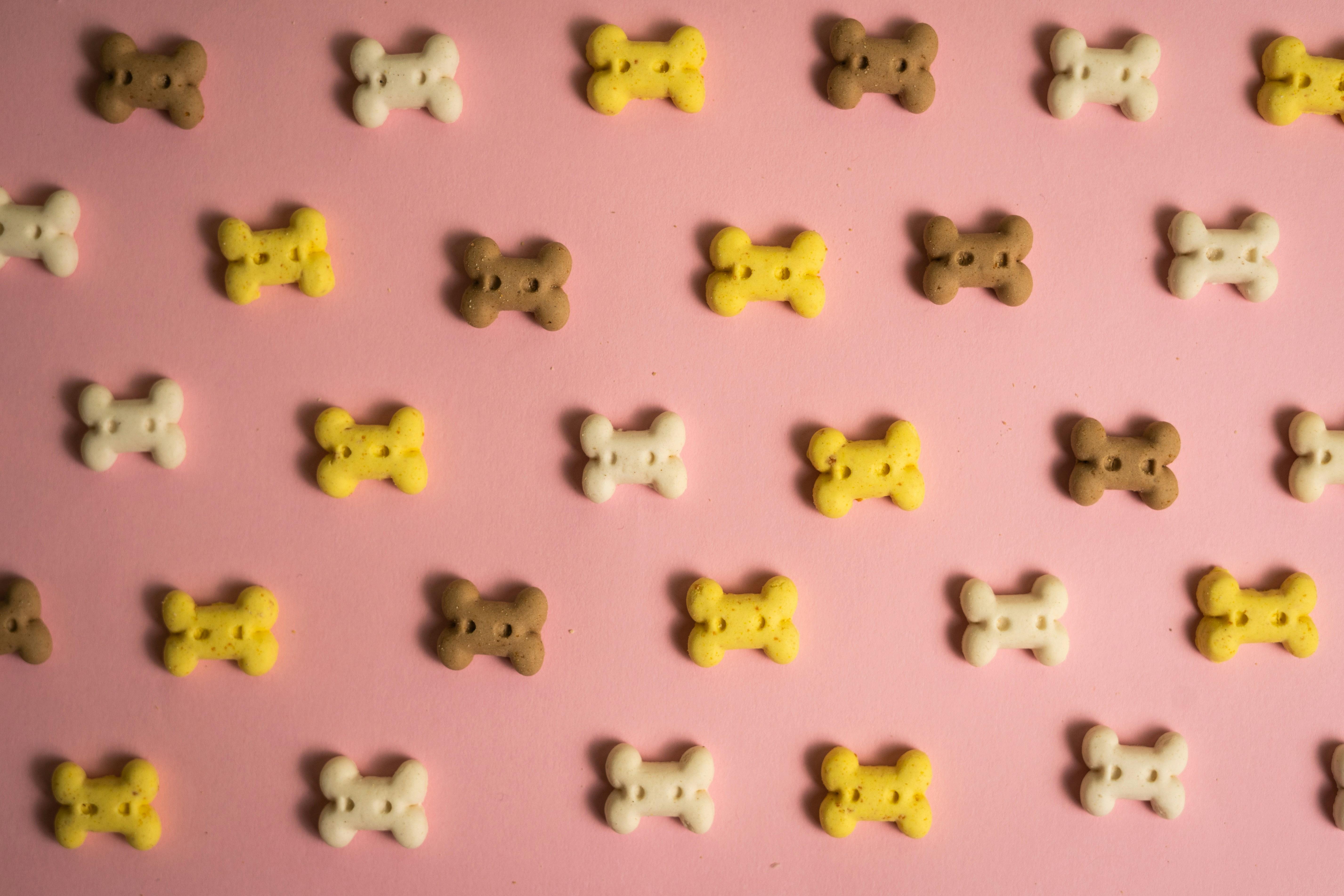
Among pet owners, few sights spark more joy than the rapturous anticipation of a dog when a treat is presented. The colorful array of bone-shaped biscuits, strategically arranged, becomes a canvas for exploring evolutionary adaptations in behavior. These treats are not merely snacks; they serve as a vivid reminder of the human-animal bond cultivated over thousands of years.
Dogs possess an acute ability to discern shapes, textures, and even colors. While humans boast a more advanced understanding of these perceptions, dogs have evolved to prioritize scents and taste, which is where these biscuits can draw attention. A dog's olfactory senses were historically crucial for survival, allowing them to locate food among scattered scents in the wild. Even a faint hint of a dog treat's alluring aroma can elicit an immediate response, activating a flood of instinctual behaviors.
Interestingly, the method of shaping treats into appealing forms mimics the way early canines might have scavenged for food in nature. Animal trainers often leverage this instinct to encourage desired behaviors. Providing treats in exchange for performing tricks is not just a modern training method but an homage to those wild instincts, where rewards reinforced beneficial behaviors for survival.
Moreover, studies suggest that the color of treats can affect a dog's enthusiasm. The science behind color psychology aligns with their behavioral response; certain colors can excite their interest more than others. For instance, yellow and orange hues are particularly appealing and recall the natural assortment of food found in the wild.
As we observe our dogs wagging their tails, poised at the sight of these crunchy morsels, it’s worth reflecting on their evolutionary lineage. Engaging with dog treats goes beyond just feeding—it's about understanding the seamless interplay between survival instincts and affection. In fact, a study indicates that positive reinforcement can enhance learning efficiency by up to 30%. So, as we offer them a colorful edible bone, we are not just feeding our pets; we are part of an age-old dialogue of evolution and instinct that continues to thrive.
 Spanish
 Thai
Thai
 English
 French
 Portuguese
 Deutsch
 Turkish
 Dutch
Dutch
 Italiano
 Russian