


 About
About
 Términos
 Privacidad
 Contact
 Invest
The Science of Comfort: How Sleep Shapes Puppy Health
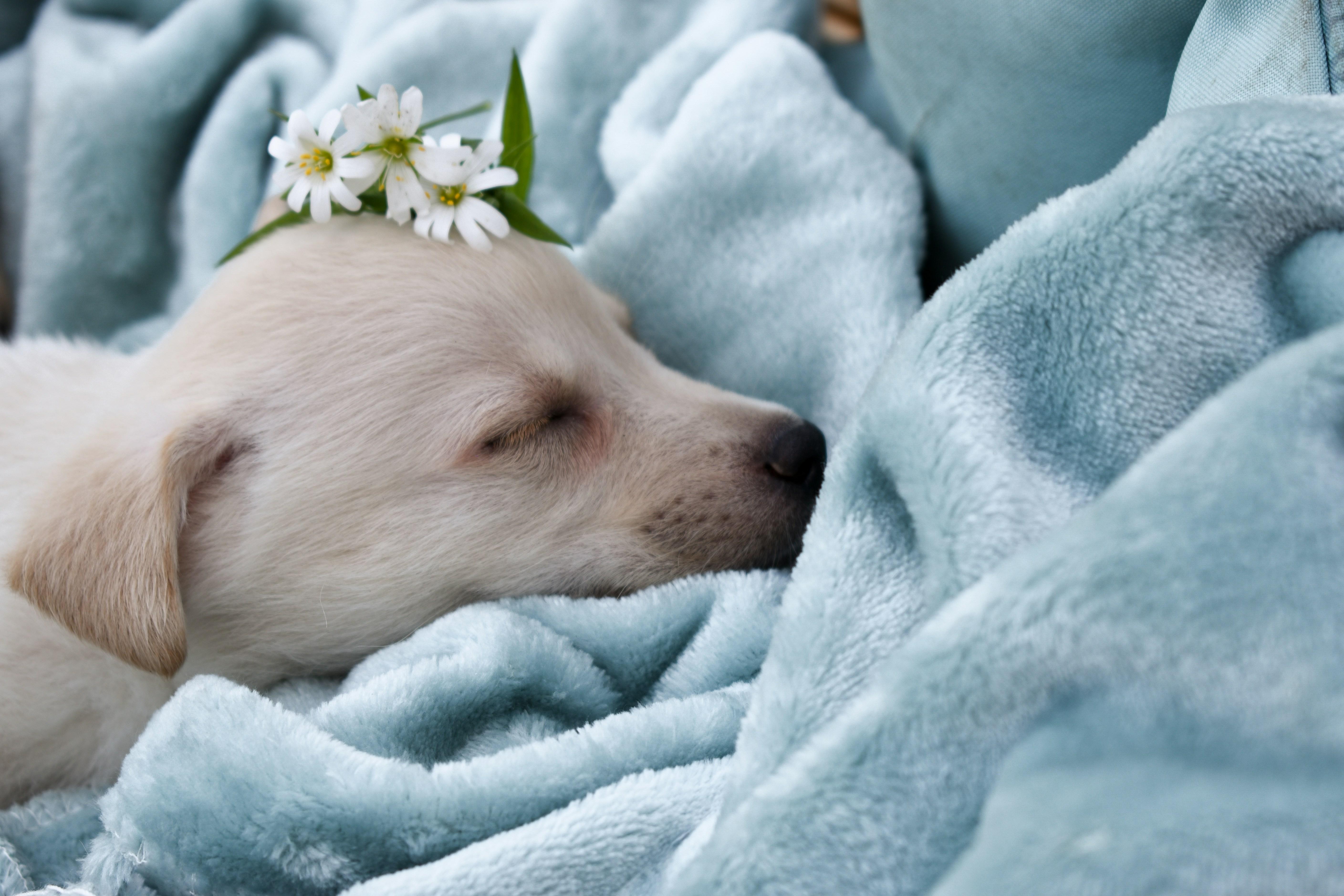
In the quiet world of a sleeping puppy, nestled among soft blankets, lies a remarkable story of biological behavior. This serene scene highlights not just the innocence of youth but also the crucial role sleep plays in the health and development of these charming creatures. Puppies, like humans, require substantial rest—up to 20 hours a day—to support their rapid growth and burgeoning brains.
During sleep, puppies enter a state where their bodies undergo vital processes that are less about snoozing and more about recharging their very essence. Sleep serves as a time for physical recovery and cognitive development. Research indicates that it is during these deep sleep cycles that memories are consolidated, learning is integrated, and, in a rather adorable twist, even the most playful of pups engage in dreams that mimic their daytime antics, often resulting in the cutest of twitches and barks.
The presence of a floral crown positioned gently atop this slumbering puppy’s head could symbolize not just whimsical affection but also the health benefits associated with stress reduction. While the overall impact of environmental stimuli during rest is complex, it is well understood that a sense of security can foster deeper, more restorative sleep. Animals, including our canine companions, thrive in comforting surroundings; the fluffy cocoon of blankets acts not just as a physical cradle but as emotional protection too.
As we observe this innocent display of peaceful repose, it's a gentle reminder of the importance of restorative sleep for all living beings. According to studies, insufficient sleep can lead to behavioral issues and health complications, underscoring that the simple act of a puppy curled up in comfort is, indeed, a portrait of health and vitality.
 Spanish
 Thai
Thai
 English
 French
 Portuguese
 Deutsch
 Turkish
 Dutch
Dutch
 Italiano
 Russian