


 About
About
 Terms
Terms
 Privacy
 Contact
 Invest
The Silent Swimmer: Understanding the Grizzly's Aquatic Grace
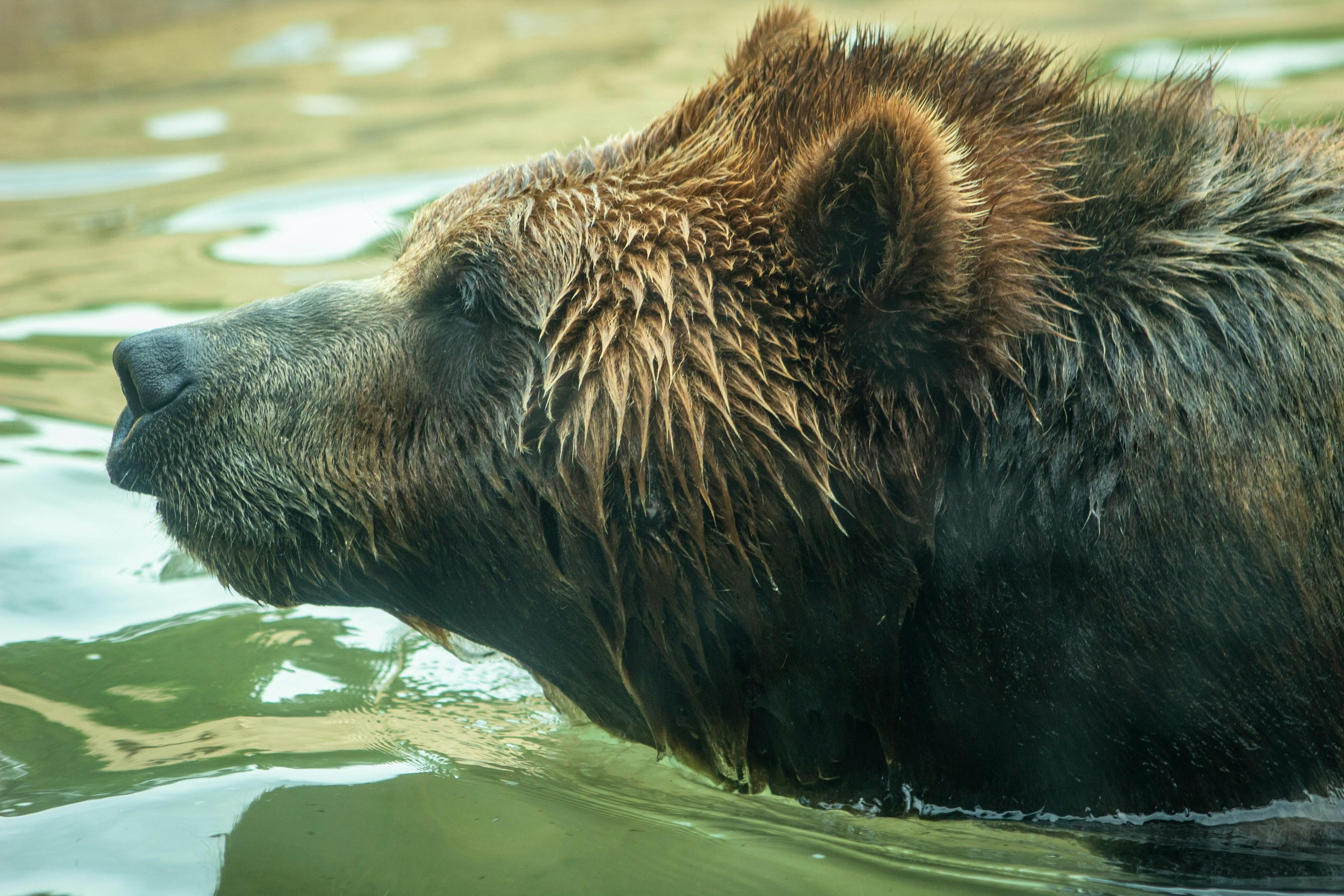
In the world of wildlife, few creatures command respect like the grizzly bear, a magnificent force of nature often depicted lumbering through dense forests. Yet, an intriguing aspect of their behavior lies beneath the surface—literally. Grizzly bears are surprisingly adept swimmers, a fact that might catch the casual observer off guard. While their hefty silhouettes suggest a more terrestrial comfort, it is in the water where their unique adaptations come to light.
A grizzly’s swim is a stunning demonstration of biological efficiency. With a powerful, streamlined body and large, webbed paws, these bears can paddle effortlessly through rivers and lakes. Research indicates that grizzlies can swim up to six miles without stopping, a skill vital for navigating the often rugged terrain of their habitats. This ability allows them to cross rivers during salmon spawning season, unearthing a crucial source of nutrition.
While swimming may appear to be a leisurely activity, it serves as a strategic advantage. The bear’s thick fur, designed to insulate against cold temperatures, acts much like a buoyancy aid, keeping them warm without compromising mobility in cooler waters. Moreover, their keen sense of smell remains intact even while swimming, often giving them an edge in locating food sources.
It’s fascinating to consider that almost 85% of a grizzly’s diet consists of plant material, yet their predatory prowess emerges vividly during these aquatic pursuits. As they glide through the water, they display an extraordinary adaptability that challenges our preconceived notions of what a bear can do.
Just as the river flows unbidden, so too does the grace of the grizzly, a reminder that nature constantly defies expectations. With an average weight ranging from 400 to 1,500 pounds, these majestic creatures exemplify a balance of power and elegance—a feat only outmatched by their striking intelligence, reminding us of how life persistently evolves in unexpected ways.

 Thai
Thai
 French
 Spanish
 Portuguese
 Deutsch
 Turkish
 Dutch
Dutch
 Italiano
 Russian