


 About
About
 Koşullar
 Gizlilik
 Contact
 Invest
Colorful, quirky, and undeniably charming, the monk parakeet, or Quaker parrot, epitomizes the allure of avian behavior and sociality. Native to South America, these cheeky little birds exhibit captivating traits that inspire wonder and discussion among or
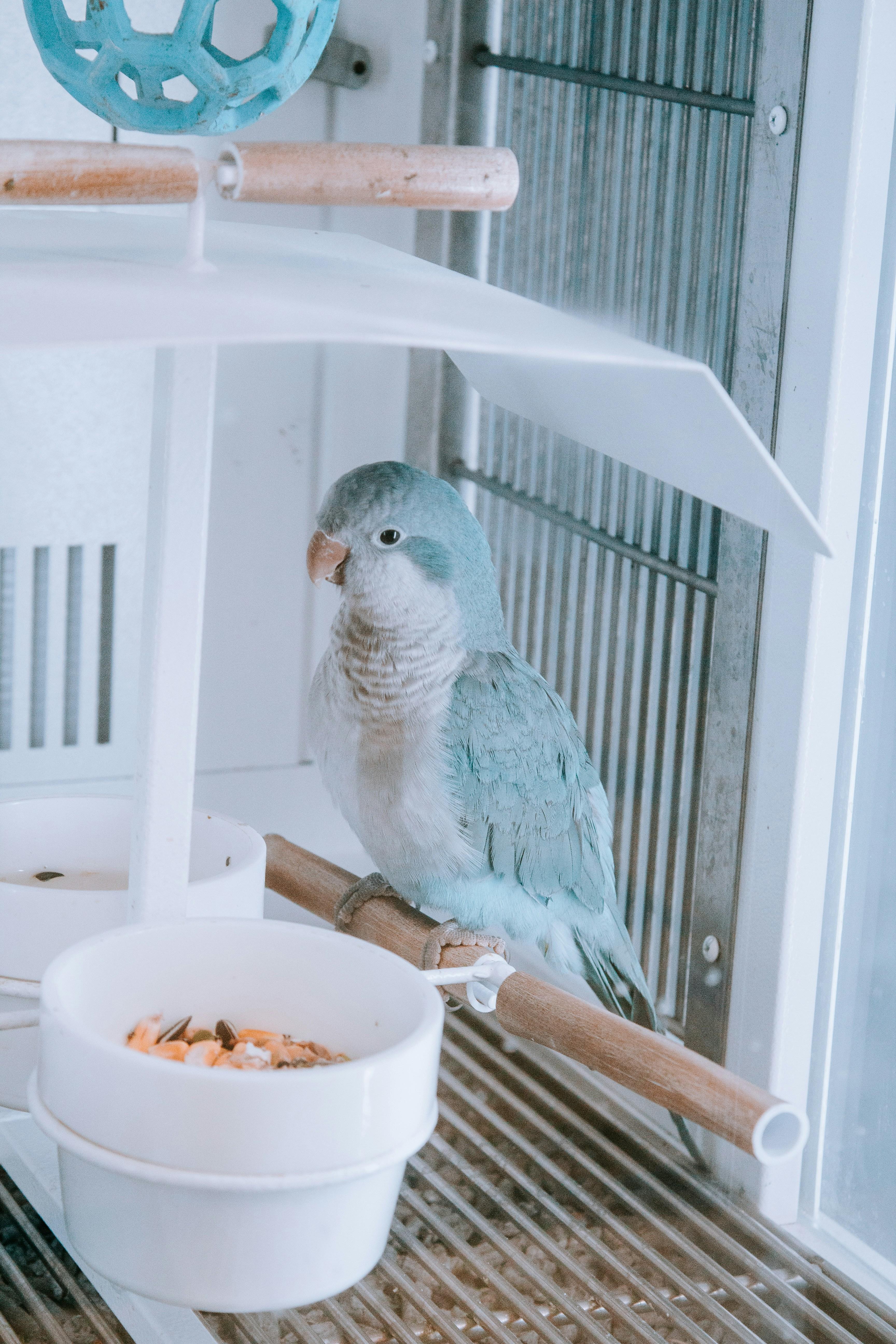
One fascinating aspect of monk parakeets is their propensity for building complex nests. Unlike most parrots that prefer simple cavities, these social creatures create massive, communal structures capable of housing numerous families. Each nest can weigh hundreds of pounds, supported by tightly woven twigs, which they often steal from one another in a spirited display reminiscent of a feathery turf war. Observational humor lies in their audacity; they may be small, but their ambition appears limitless.
In captivity, these birds are known not just for their chatter but for their enthusiastic engagement with human caretakers. This social interaction is key to their well-being, as research shows that monk parakeets thrive in environments where they can mimic and bond with their human companions. Their vocalizations are not merely noises; they can develop an extensive repertoire, from playful whistles to replicated sounds, revealing just how perceptive and adaptive they are.
The phenomenon of monk parakeets highlights a broader scientific understanding of avian intelligence and behavior. They are a reminder that even within the confines of a cage, a creature can exhibit a remarkable degree of social complexity. Studies suggest that these little parrots possess cognitive abilities comparable to those of primates, providing a glimpse into the intricate lives of social birds. Around 20% of pet birds develop such complex behaviors, making them not merely companions but intricate beings deserving of our curiosity and respect.

 Thai
Thai
 English
 French
 Spanish
 Portuguese
 Deutsch
 Dutch
Dutch
 Italiano
 Russian