


 About
About
 Terms
Terms
 Privacy
 Contact
 Invest
In a quiet corner of the home, a budgerigar or “budgie,” known for its vibrant hues and playful nature, has settled into a familiar rhythm of self-care. The bird delicately preens its feathers, an intricate dance that goes far beyond mere aesth
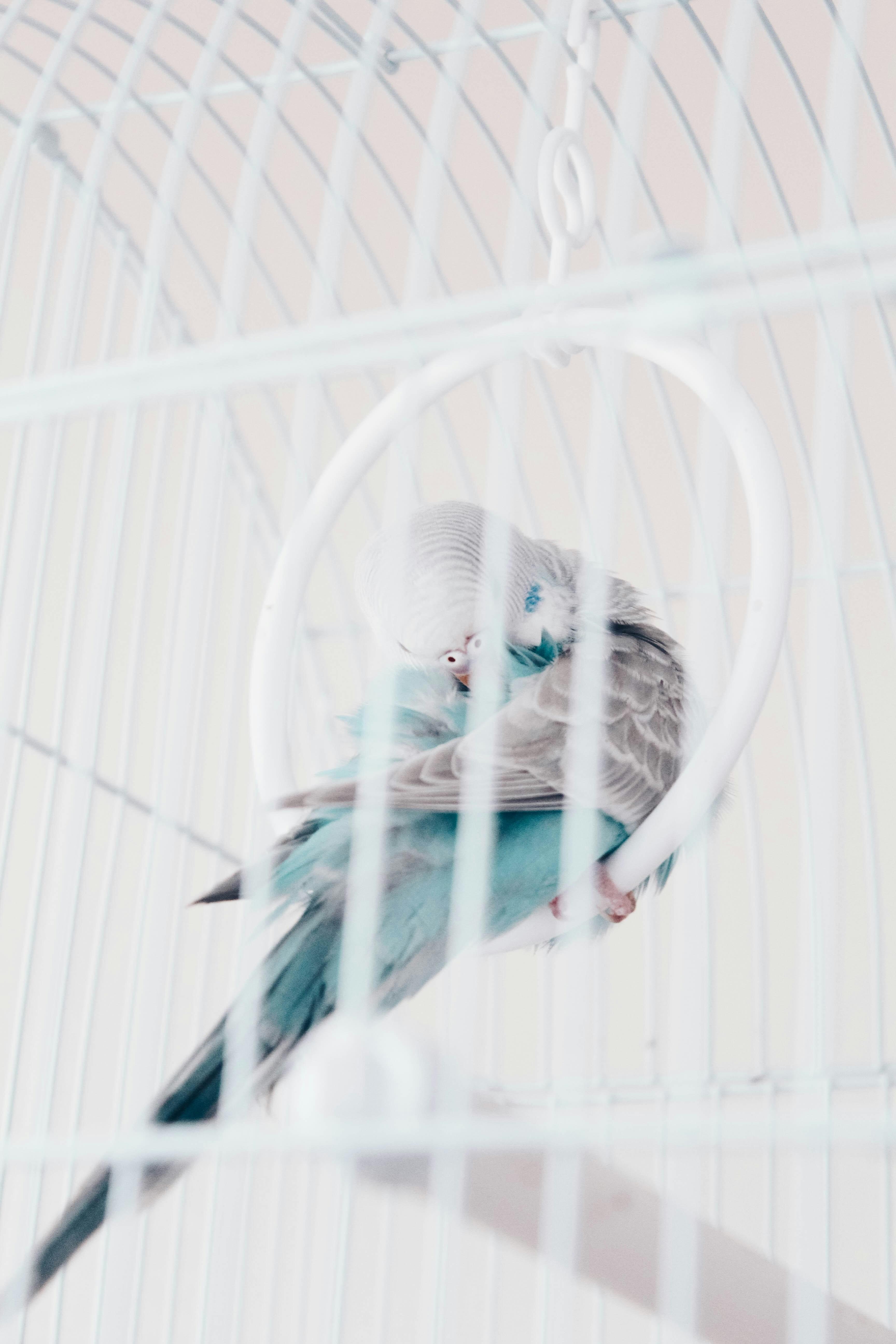
Preening serves multiple essential purposes for birds. It redistributes natural oils from preen glands, ensuring feathers remain waterproof and insulated. This is particularly vital for a species that thrives in open habitats where the elements can be unforgiving. The act of grooming becomes an essential ritual, a daily maintenance check that keeps the budgie fit for flight and confident in the air.
Observing this budgie's behavior in its cage, one might chuckle at how it nearly resembles a human in front of a mirror, effortlessly oblivious to time as it meticulously attends to its plumage. This whimsical imagery underscores an intriguing aspect of bird behavior: the blending of instinct with learned practices. As young birds observe and mimic adults, they gather unspoken lessons about optimal grooming techniques critical for their survival.
In an ecological sense, self-care behaviors like preening enhance the overall fitness of avian populations. Research suggests that healthy, well-groomed birds attract more mates and can better evade predators. In numbers, approximately 40% of a bird’s day may be consumed by these grooming activities, a testimony to its importance.
As our budgie returns to its perch, feathers neatly arranged, it serves as a gentle reminder of the intricate, often humorous, interplay between survival and self-expression in nature. In the grand tapestry of life, even a small bird's daily grooming is essential, intricately woven into the fabric of its existence.

 Thai
Thai
 French
 Spanish
 Portuguese
 Deutsch
 Turkish
 Dutch
Dutch
 Italiano
 Russian