


 About
About
 Terms
Terms
 Privacy
 Contact
 Invest
The Language of Canine Joy
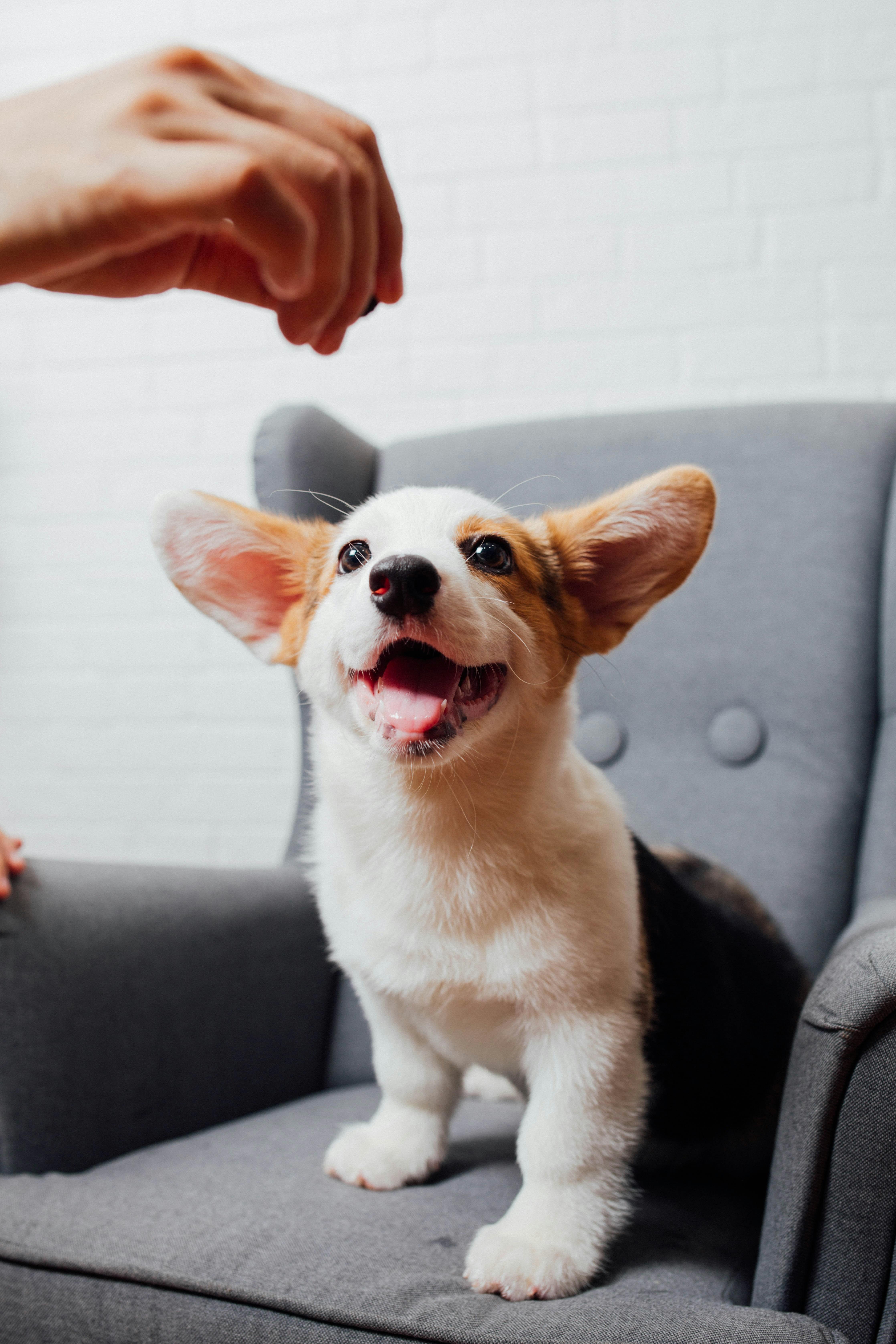
In a quiet living room, a corgi awaits an offering, its bright gaze locked on a hand poised in mid-air, perhaps casting a treat. This moment, seemingly simple, unveils a tapestry of biological behavior that extends far beyond mere tactics for securing food. The corgi's delight is not just instinctual; it's a reflection of its evolved relationship with humans, a dance of signals that has captivated both scientists and pet owners alike.
Corgis exhibit an array of subtle body language: ears perked, tail wagging furiously, a playful bounce. These signals indicate not just hunger but also a robust emotional state. Studies suggest that canine social behavior shares similarities with that of human infants; they rely heavily on the responses and reactions of human caretakers. When the corgi gazes up expectantly, it stimulates a cascade of dopamine in its brain, the very hormone enriching feelings of pleasure and attachment.
Interestingly, this interaction highlights a phenomenon known as “social referencing,” where animals look to their owners for cues in uncertain situations. The corgi’s enthusiasm isn’t merely for the treat but also for the infectious engagement from a companion who understands its every whim. This enriches the bond, providing a sense of security and trust that further fuels positive behaviors in both the pet and its owner.
But there’s humor in the earnestness of this moment; the treat is but a catalyst for a more profound psychological connection. With roughly 30,000 to 40,000 years of domestication behind them, dogs have honed their ability to read human emotions, adapting with astonishing precision. As our furry companions thrive in our homes, they continue to enrich our lives, creating a symbiotic relationship built on joy and understanding.

 Thai
Thai
 French
 Spanish
 Portuguese
 Deutsch
 Turkish
 Dutch
Dutch
 Italiano
 Russian