


 About
About
 Terms
Terms
 Privacy
 Contact
 Invest
The Language of the Wild: Intriguing Echoes of a Stag's Call
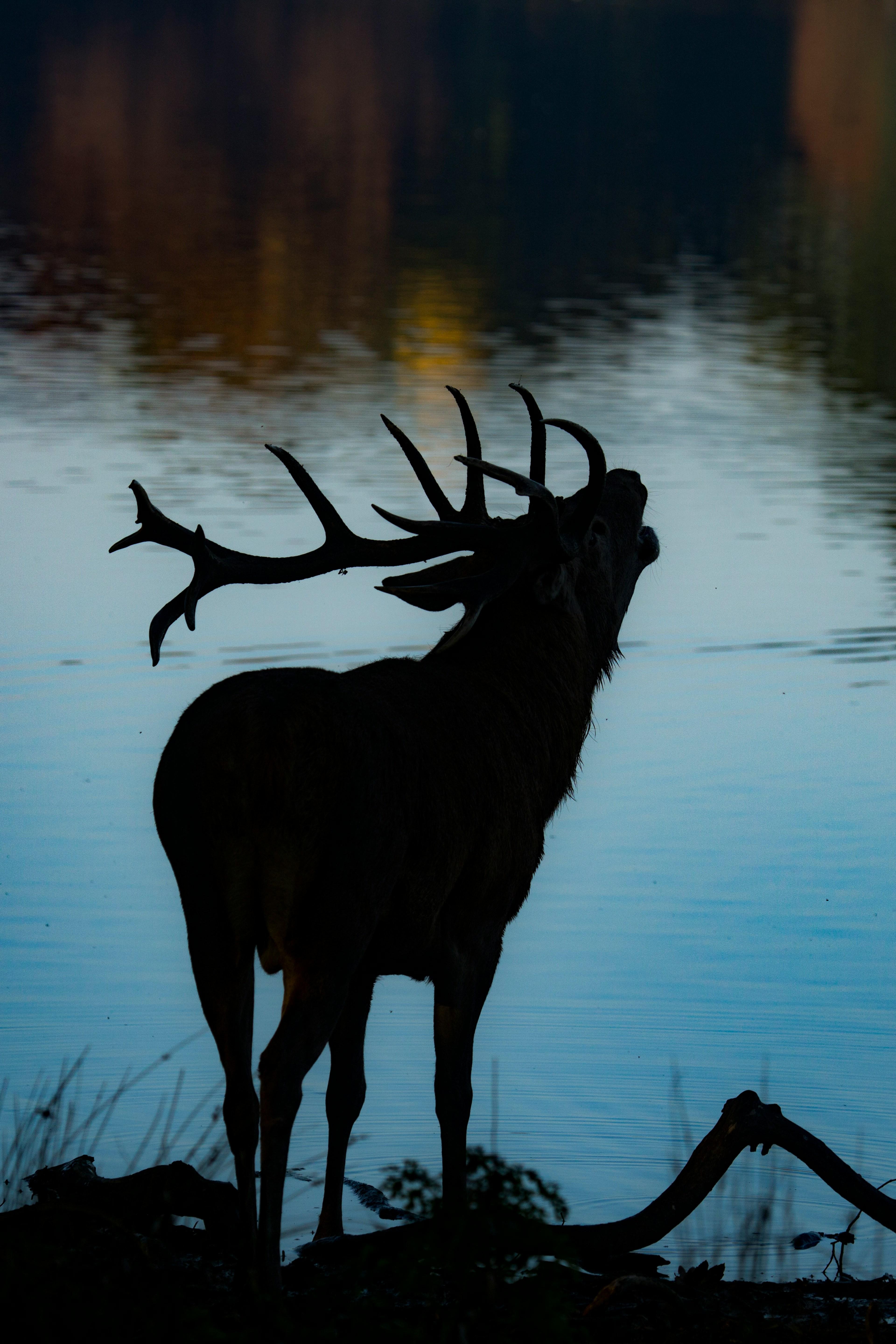
In the lingering twilight, a solitary stag stands at the water's edge, its silhouette framed against the tranquil surface. The scene hints at a profound behavioral phenomenon: the vocalization of male deer during the rutting season. This display is not merely a cacophony of noise but a complex communication system crucial for survival and reproduction.
As autumn deepens, the stag’s iconic roar resonates through the crisp air, reverberating off the water and into the dense underbrush. This powerful call serves multiple purposes: announcing dominance, warding off rivals, and attracting potential mates. Research indicates that the depth and frequency of a stag's call can signal its health and genetic fitness to females. Interestingly, stags that roar more frequently are often more successful in mating—an evolutionary trait that demonstrates the power dynamics of the animal kingdom.
Yet, the behavior of the stag is not just about competition. It reflects the intricate balance of its environment. While the call may appear straightforward, it is intricately linked to hormonal changes that govern stress and aggression. The stag’s heightened testosterone levels lead not only to the development of impressive antlers but also fuel its vocal prowess. In a sense, the stag becomes a living example of how physical attributes and behaviors coexist to secure reproductive success.
As the dusk deepens and the stag’s call fades into the shadows, nature's orchestra continues unabated. By understanding these kinds of behaviors, we gain insight into an ever-complex web of life, where a mere vocalization can impact reproductive success by up to 70%. In the silence that follows, one is left to ponder the interconnectedness of survival, sound, and the rhythms of nature that we, too, can learn from.

 Thai
Thai
 French
 Spanish
 Portuguese
 Deutsch
 Turkish
 Dutch
Dutch
 Italiano
 Russian