


 เกี่ยวกับ
 เงื่อนไข
 ความเป็นส่วนตัว
 Contact
 Invest
Captured in a moment of vivid expression, three young girls showcase a spectrum of biological behavior that speaks volumes about human development. The smallest one yawns with such abandon that it almost feels contagious, while her companion stands poised,
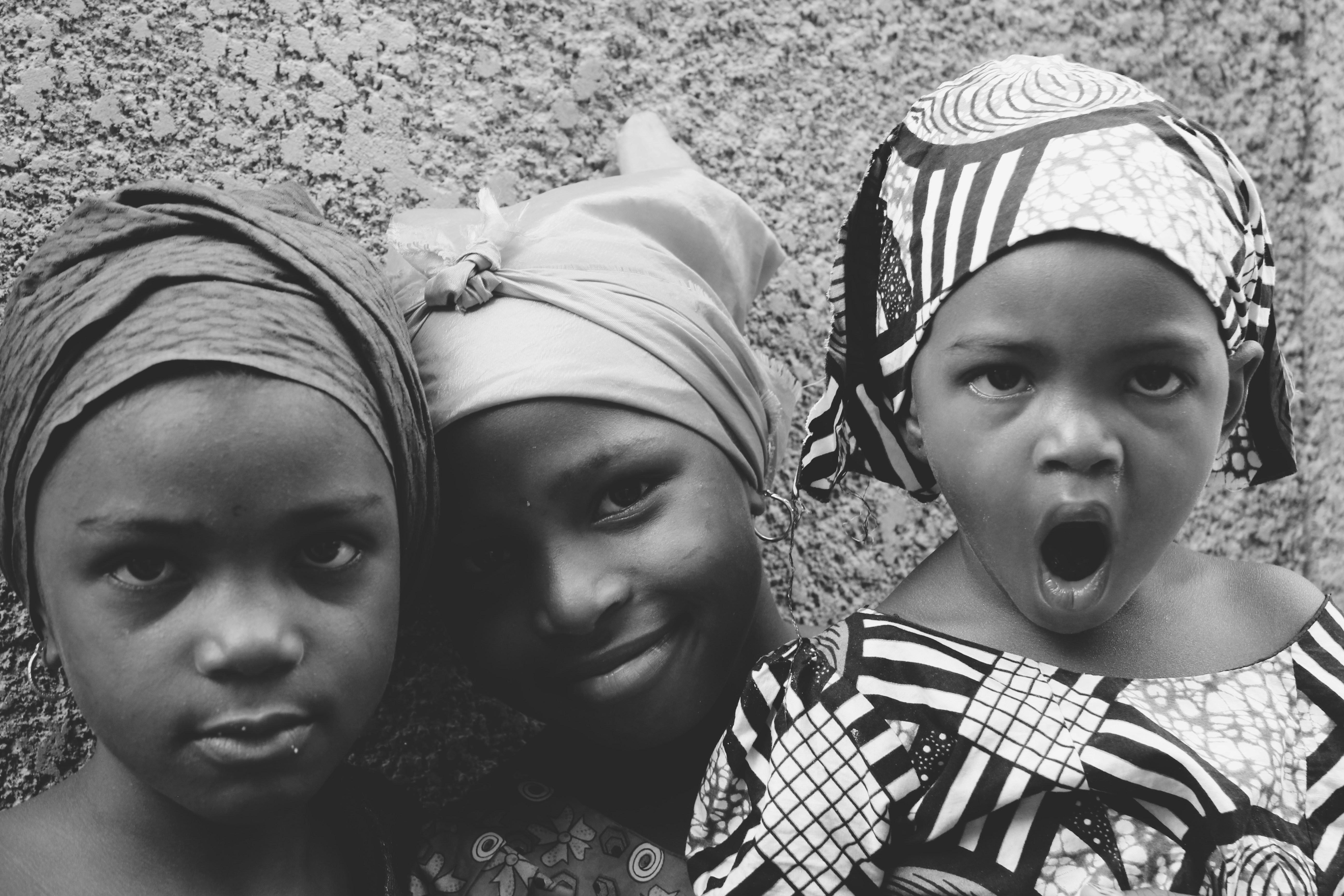
This intricate interplay of emotions highlights the remarkable ability young humans have to express and interpret feelings, even at an early age. Research shows that children as young as three can discern emotions in others, an ability that serves as a foundation for social bonding and empathy. The simple act of yawning, often dismissed as fatigue, carries deeper significance. Biologically, it serves to regulate brain temperature and improve alertness, reminding us that even the smallest actions can be linked to fundamental survival mechanisms.
In observing these girls, one might chuckle at the contrast between a sleepy yawn and a bright smile. This divergence mirrors a broader truth about childhood: emotions are complex, often coexisting in ways that intrigue budding scientists and curious observers alike. Children frequently oscillate between joy and exhaustion, laughter and contemplation, embodying the essence of human existence.
As we reflect on this snapshot of life, it's fascinating to consider that human beings are wired for sociability. In fact, studies indicate that children will typically smile spontaneously around 20 times a day. Moments like this unite them, laying the groundwork for relationships that transcend the simple act of communication.

 English
 French
 Spanish
 Portuguese
 Deutsch
 Turkish
 Dutch
Dutch
 Italiano
 Russian