


 About
About
 Terms
Terms
 Privacy
 Contact
 Invest
The Upside of a Corgi's Charm
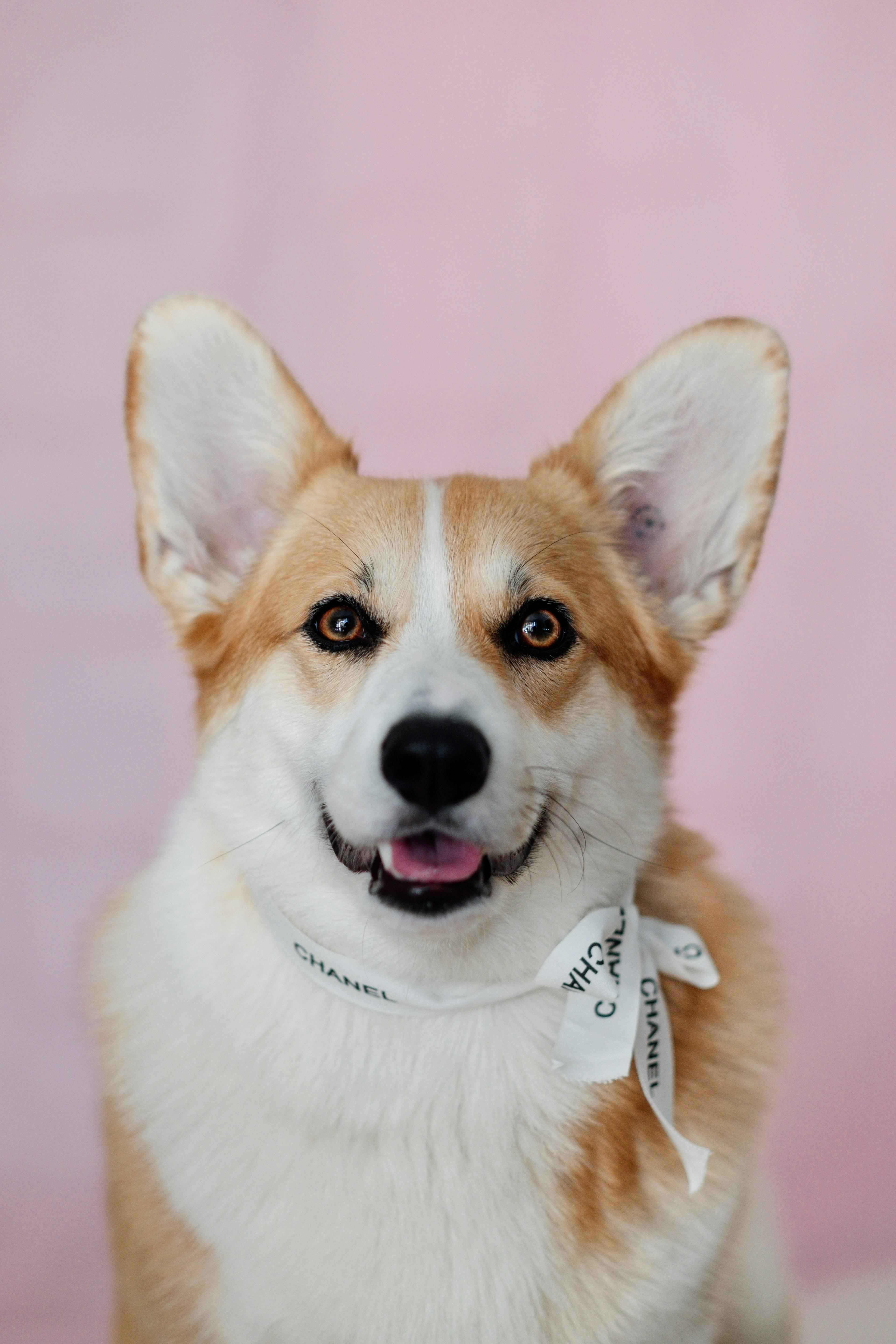
In a sunlit corner of a bustling home, a corgi sits regally, framed against a backdrop of soft pink. With an expression that radiates joy and contentment, this stout little creature embodies qualities that make dogs not just companions, but cherished members of our families. The corgi's charm lies as much in its appearance as in its personality, leaving a trail of smiles and laughter wherever it roams.
Corgis, originally bred for herding livestock, possess an innate intelligence paired with a love for play. Their distinctive body shape, with short legs and exuberant energy, creates a delightful juxtaposition, evoking a sense of whimsy. This playfulness is not mere coincidence; research indicates that the corgi, with its exuberant demeanor, has retained puppy-like traits throughout its life. This phenomenon, known as neoteny, is not exclusive to corgis. Many domesticated animals display youth-like characteristics, due to selective breeding for traits that evoke human affection.
Moreover, corgis are known for their remarkable emotional sensitivity. They can read human emotions with almost uncanny precision. If you’re having a tough day, a corgi won’t just wag its tail; it will bind itself to you, adopting a comforting proximity, as if it understands that companionship is the best remedy. This empathetic response is a fascinating aspect of canine behavior, hinting at the deep bond shared between humans and their furry companions.
As we contemplate our relationships with these delightful animals, it’s worth noting that about 63% of U.S. households include pets, with dogs leading the pack. Their laughter-inducing antics and unyielding loyalty remind us of the beauty of connection—both in the small moments of joy and the enduring strength of companionship. In the end, each wag of a corgi's tail tells a story of love, loyalty, and the simple pleasures found in being together.

 Thai
Thai
 French
 Spanish
 Portuguese
 Deutsch
 Turkish
 Dutch
Dutch
 Italiano
 Russian