


 Environ
 Conditions générale de vente
 Confidentialité
 Contact
 Invest
In the heart of a blooming meadow, a red fox stands gracefully among vibrant wildflowers, embodying the delicate balance of nature. Observing a fox like this one reveals an intricate interplay of instinct and environment that captivates researchers and nat
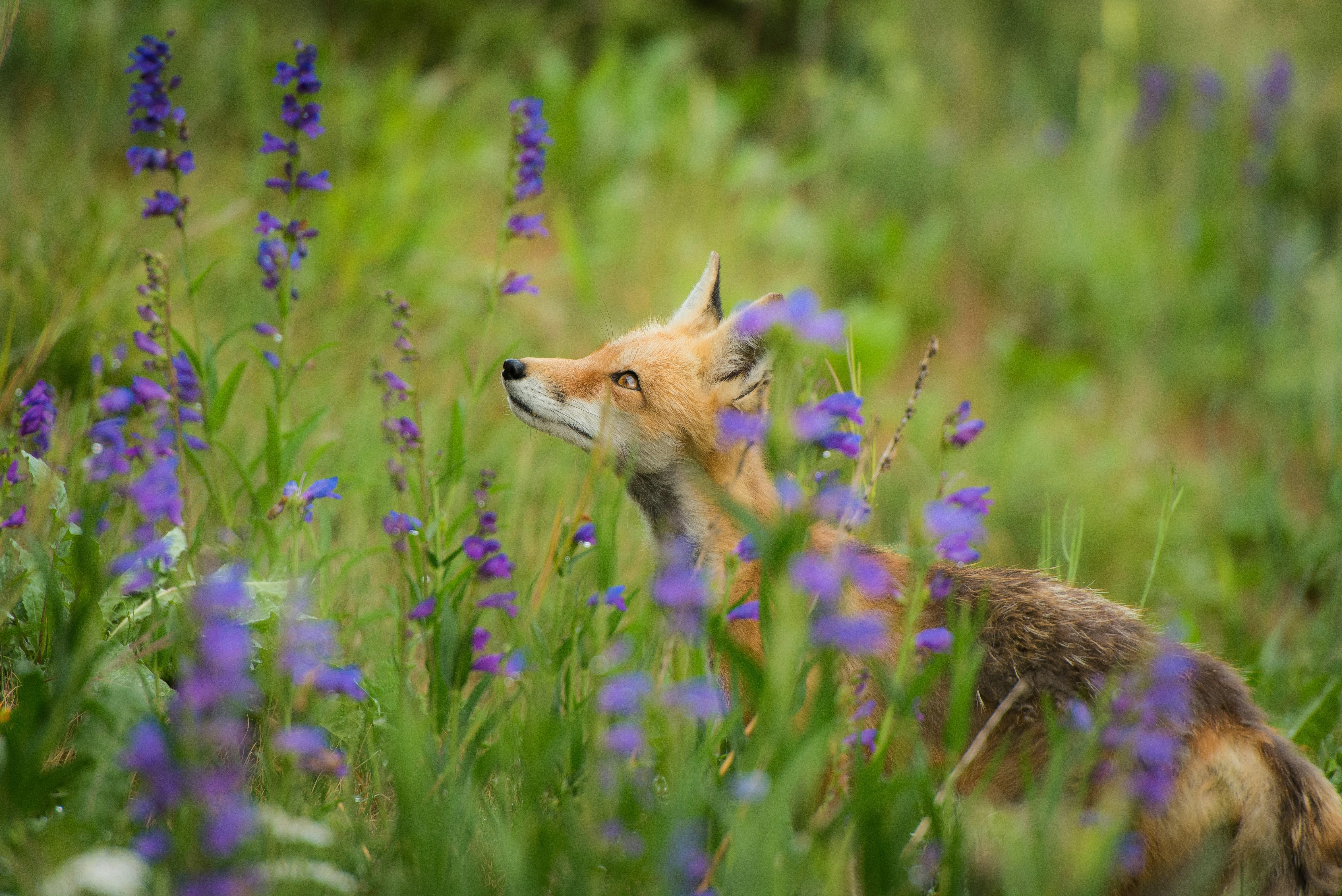
The agility and cunning of the red fox are often romanticized in folklore, but their real-life antics are just as enchanting. They thrive in diverse habitats, from urban landscapes to dense forests, showcasing a remarkable adaptability. Interestingly, their vocalizations—ranging from eerie screams to cheerful barks—serve as both communication and a way to establish territory, revealing a complex social structure within these solitary creatures. A fox's famous cunning is not merely a tale; it includes strategic hunting methods, often employing a technique known as “mousing.” They can leap in a calculated manner to pounce on unsuspecting prey hidden beneath the snow or foliage.
This graceful creature's existence is a reminder of the ceaseless dance between adaptation and survival. One might ponder, as we observe this fox, how humans and wildlife alike navigate the ever-changing tapestries of their environments. In fact, studies indicate that red foxes have adapted their foraging strategies based on human encroachments, an impressive 60% of their diet in urban settings now includes food scraps left behind by people. As we contemplate our shared world, the noonday sun illuminating both fox and flower, we glimpse not just survival but a rich narrative of interdependence in nature's grand design.
 French
 Thai
Thai
 English
 Spanish
 Portuguese
 Deutsch
 Turkish
 Dutch
Dutch
 Italiano
 Russian