


 Über
Über
 Bedingungen
 Datenschutz
 Contact
 Invest
The Ascension of Play
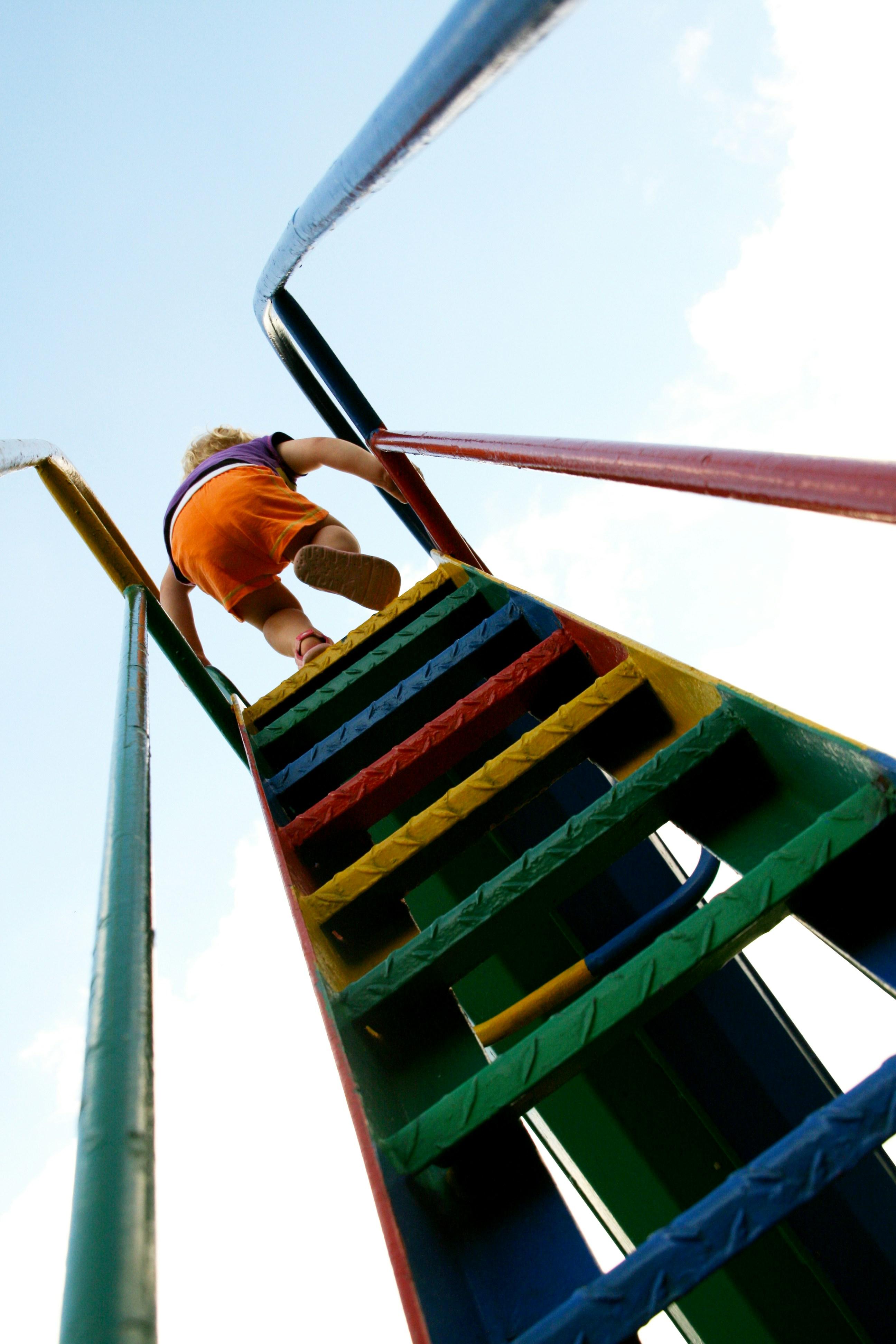
In the vibrant realm of childhood, few images evoke the spirit of exploration as powerfully as a young child navigating the colorful steps of a playground slide. Here, the mundane transforms into an extraordinary embarkation—a miniature Everest fashioned from steel and paint. This climbing expedition resonates with deeper biological significance, echoing the innate drive for exploration found across the animal kingdom.
As the child ascends, the act is not merely a pursuit of fun but a manifestation of a broader behavioral imperative deeply rooted in our evolutionary past. Play, as it turns out, is a developmental strategy. For many species, including humans, playful actions foster critical skills such as risk assessment and problem-solving. While these climbing steps may merely be a playful challenge to a child, they reflect a complex tapestry of engagement with the surrounding environment.
The scientific community recognizes play as an essential, if not vital, component of cognitive and social development. Observing children at play reveals a rich language of interaction—momentary triumphs followed by lighthearted tumbles. It exemplifies resilience: each ascent is fuelled by an instinctive understanding of gravity and balance, navigated through trial and error. This tactile exploration enriches their neurological foundation, honing not just physical coordination but emotional intelligence and social bonds.
In this modern era, when more children are engaged in passive forms of entertainment, the image of climbing steps serves as a gentle reminder of the necessity for physical engagement and imaginative exploration. The World Health Organization recommends that children partake in an average of three hours of play daily to promote holistic growth.
As we witness the steps climbed and the laughter resonating, we find ourselves reflecting on a simple yet profound truth: in every ascent, there lies a journey of growth.
 Deutsch
 Thai
Thai
 English
 French
 Spanish
 Portuguese
 Turkish
 Dutch
Dutch
 Italiano
 Russian