


 New! Search Engine
 About
About
 Voorwaarden
 Privacy
 Contact
 Invest
The joy of childhood expressed through playful poses often reveals intriguing insights into biological behavior. Observing young children like the one in this image, we see not just a moment of unrestrained happiness but also a glimpse into their innate so
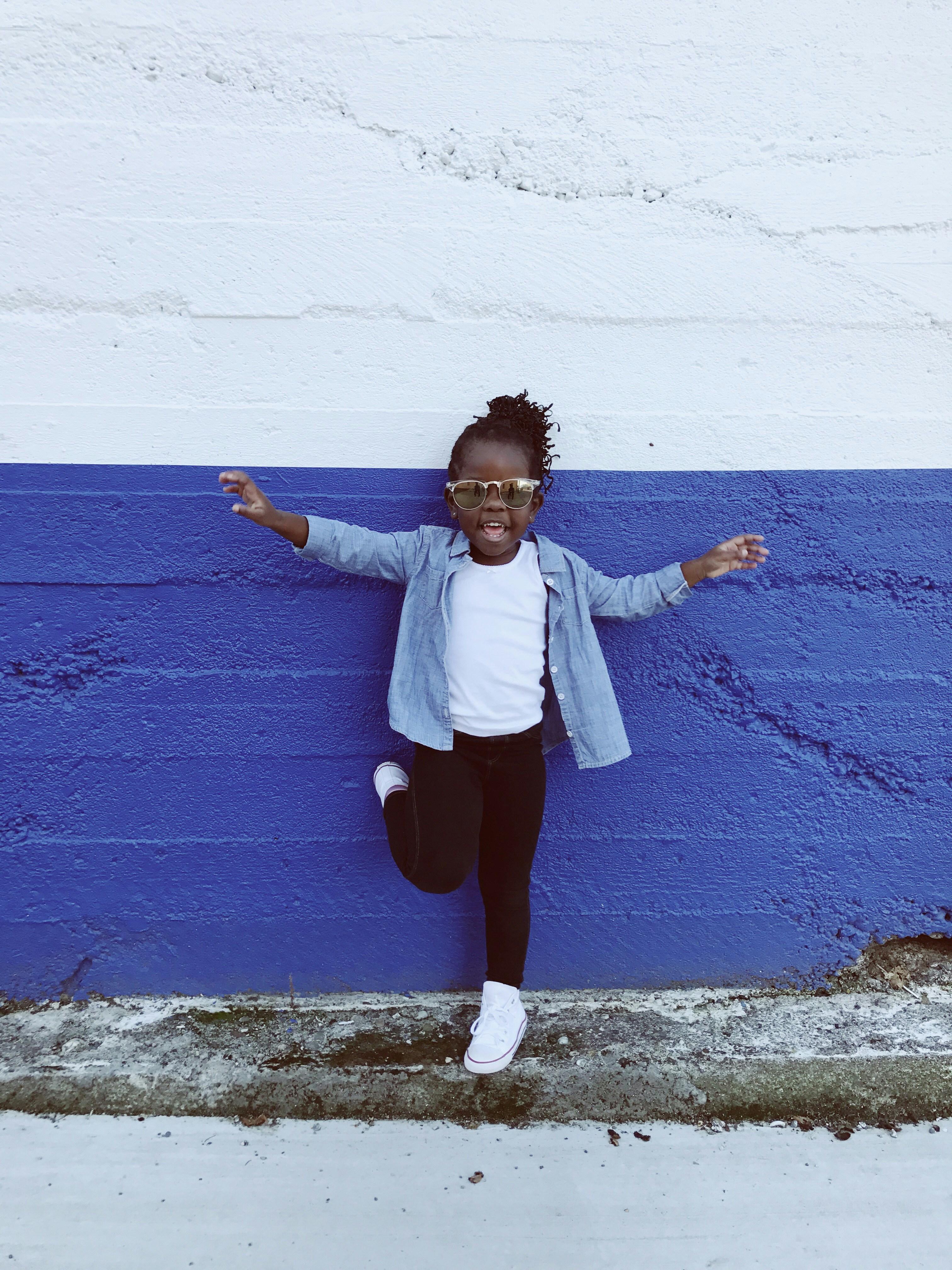
When a child strikes a pose, as if savoring their own moment of stardom, it reflects an understanding of social signals. They are keen observers of the adults around them, picking up nuances in behavior, body language, and even fashion. This playful mimicry is more than a mere copying; it is a vital part of their social development process. Through imitation, children are not simply mirroring actions; they are experimenting with identity and belonging.
Interestingly, laughter and playful engagement stimulate neurochemical processes that enhance brain development. The endorphins released during such moments contribute to emotional well-being while also fostering resilience. In fact, research suggests that early childhood laughter can significantly impact overall health, both physically and mentally, throughout adulthood.
Moreover, vibrant displays of individuality, like the colorful attire depicted here, facilitate self-expression, which is critical for a child’s developing sense of self. As they navigate their social world, these expressions serve as a foundation for their understanding of community and identity.
Reflecting on this playful exuberance, it is remarkable to consider that a child’s capacity for joy and connection, even in simple moments, can have lasting effects. Studies indicate that experiences of joy in early years correlate with higher emotional intelligence later in life. In a world where complex social interactions can seem daunting, the simple act of a child striking a pose reminds us of the fundamental, unfiltered joy inherent in human existence.
 Dutch
Dutch
 Thai
Thai
 English
 French
 Spanish
 Portuguese
 Deutsch
 Turkish
 Italiano
 Russian