


 New! Search Engine
 About
About
 Terms
Terms
 Privacy
 Contact
 Invest
In the quiet stillness of a snowy forest, an unexpected protagonist emerges: the reindeer. With its imposing antlers silhouetted against a backdrop of pristine white, this remarkable creature captivates not just with its beauty, but with an astonishing sto
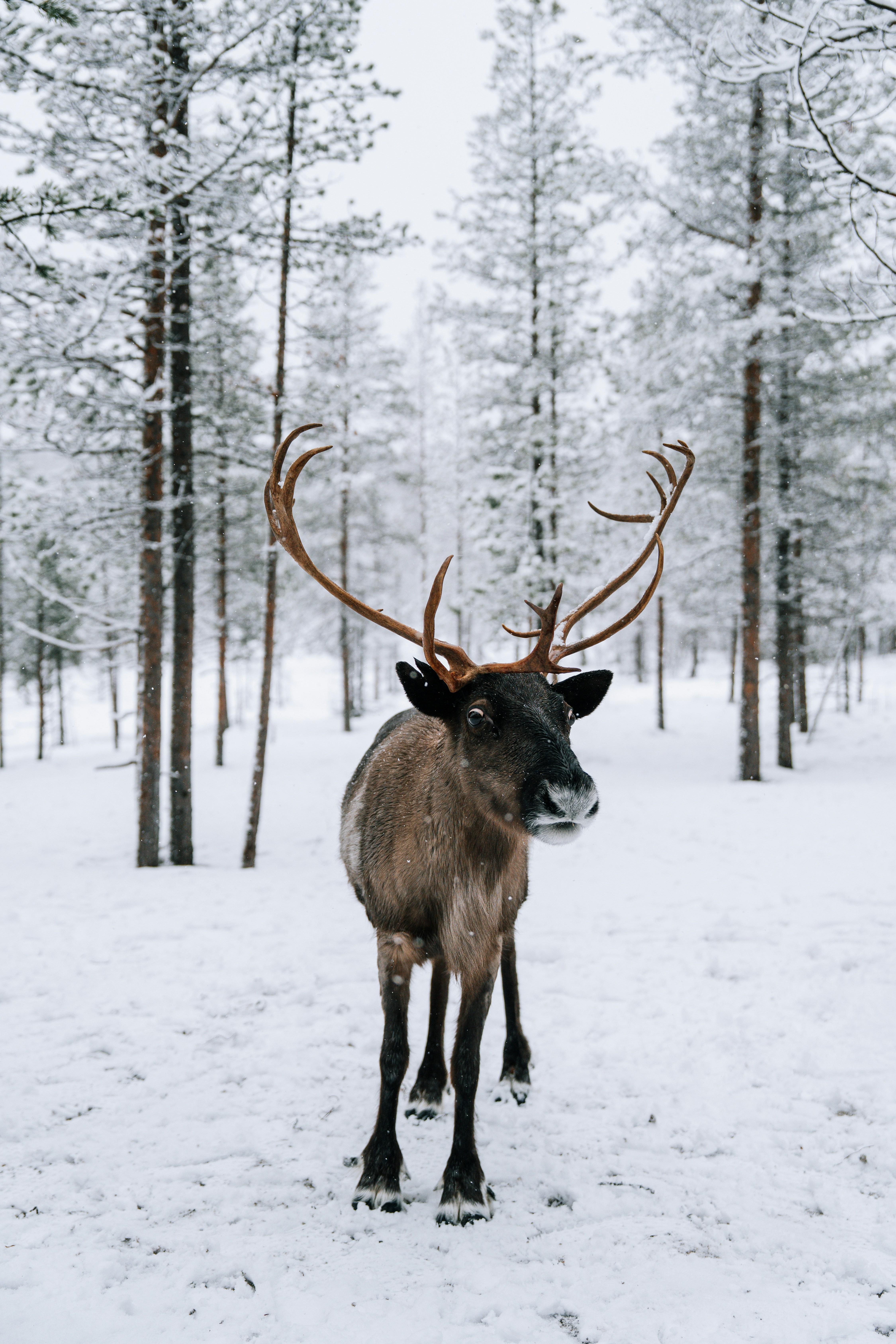
These animals are notable for their unique seasonal adaptations. As winter blankets their habitat, reindeer rely on a remarkable physiological mechanism—fat storage—to endure the frigid temperatures when food sources become scarce. Surprisingly, they possess the ability to lower their metabolic rate, conserving energy much like a hibernating bear, but without the extended sleep. This strategy accommodates their lifestyle of constant foraging, where mobility is critical.
Reindeer are social animals, often seen traveling in herds that can number in the thousands. This behavior not only serves as a defense mechanism against predators but also enhances foraging efficiency—an evolutionary tactic that mirrors the flocking behavior of many bird species. Their acute sense of smell allows them to locate food hidden beneath layers of snow, an essential skill considering the limited foraging options in winter months.
It’s entertaining to think of these majestic beings as unintentional snowplows, clearing paths through the frozen landscape. Interestingly, their hooves adapt to varying conditions; in summer, they become more splayed, providing traction on soft ground, while in winter, they tighten and can cut through ice and snow with surprising efficacy.
In an era where climate change is increasingly impacting natural habitats, reindeer remind us of the delicate balance within ecosystems. Populations fluctuate in tandem with food availability and environmental conditions, showcasing nature's resilience and vulnerability. Remarkably, some herds can migrate over 3,000 miles annually, a testament to their endurance. As we marvel at this creature, we are left with a profound appreciation for the intricate adaptations that allow it to thrive where few can.
 English
 Thai
Thai
 French
 Spanish
 Portuguese
 Deutsch
 Turkish
 Dutch
Dutch
 Italiano
 Russian