


 New! Search Engine
 About
About
 Términos
 Privacidad
 Contact
 Invest
The Quirk of Canine Communication
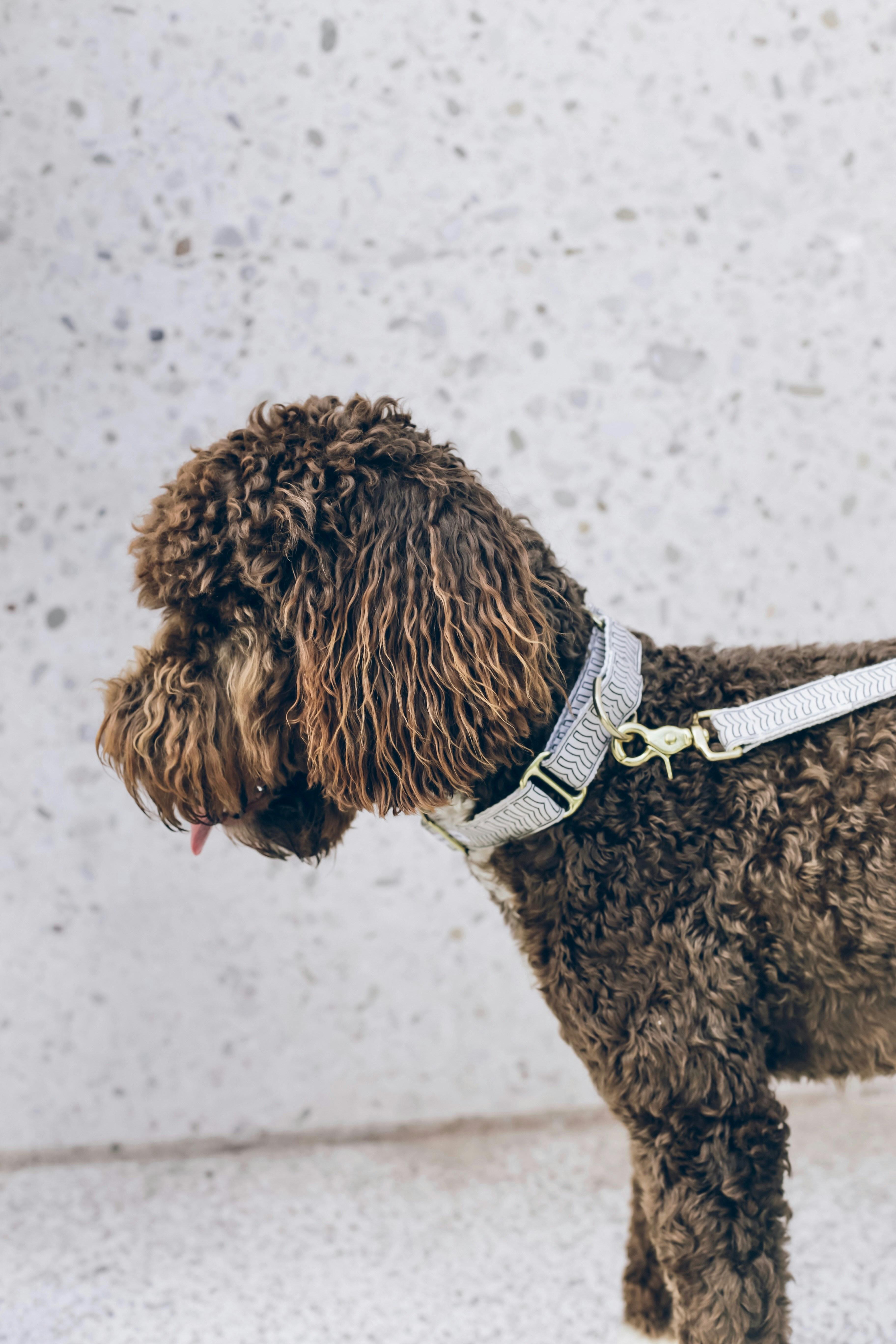
In a world awash with human chatter, our canine companions embody a fascinating dialect that often goes unnoticed. Observe the dog, its curly fur resembling a rich tapestry, and you begin to appreciate the depth of instinctual behavior that defines this species. With each slight tilt of its head or flick of its tongue, the dog engages in a silent yet expressive conversation. It thrives on non-verbal cues, conveying emotions that many animals struggle to articulate.
Scientific studies reveal that dogs possess an extraordinary ability to decipher human gestures and signals. They can sense our moods and intentions, interpreting body language with remarkable accuracy. This acute skill is underpinned by a unique evolutionary path that has fostered a bond between humans and dogs over thousands of years. In essence, a dog's capacity for empathy is not merely an endearing quality but a sophisticated aspect of their biological makeup.
Consider the playful way a dog might wag its tail or perk its ears at the sound of familiar voices — these seemingly trivial movements are loaded with meaning. A slight wag can indicate excitement, while a relaxed posture coupled with a soft gaze suggests trust. This nonchalant communication, where every gesture counts, highlights how dogs operate within a social framework that mirrors our own.
Moreover, research indicates that the average dog can understand a vocabulary of up to 165 words. This suggests a cognitive level akin to that of a two-year-old child. Reflecting on this, one realizes that while humans rely heavily on words, dogs exploit subtler forms of connection. In the continuum of life, it is perhaps their simplicity that teaches us the profound art of looking beyond the superficial chatter and connecting on a deeper level. Amidst the millions of dogs worldwide — an estimated 900 million — the language of expression remains a beautiful reminder of how intricate and delightful the bond of companionship can be.
 Spanish
 Thai
Thai
 English
 French
 Portuguese
 Deutsch
 Turkish
 Dutch
Dutch
 Italiano
 Russian