


 New! Search Engine
 Environ
 Conditions générale de vente
 Confidentialité
 Contact
 Invest
Exploring Nature’s Classroom: A Child’s Journey into the Forest
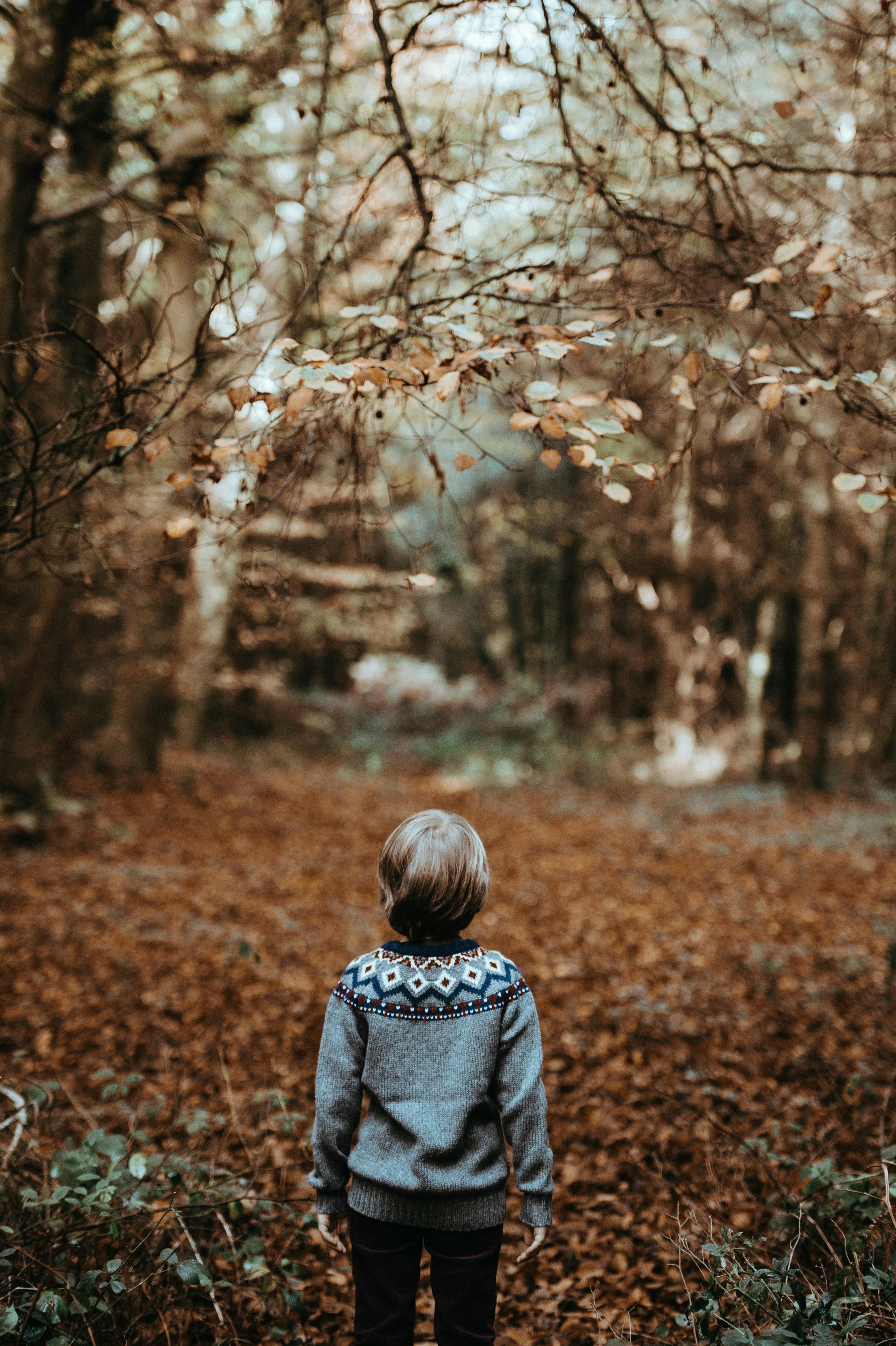
In a world increasingly dominated by screens and urban landscapes, a child gazes upon a sun-dappled forest floor carpeted in autumn leaves, absorbing the whispers of nature. This scene captures more than just an innocent moment; it illustrates a fascinating interplay between a young mind and the environment, one that underscores the interconnectedness of human behavior and biological imperatives.
Children have an innate curiosity that drives them into the wild; it’s an evolutionary instinct, honed over millennia. Research has shown that this instinct is linked to survival, with nature providing countless lessons about resourcefulness, risk assessment, and adaptability. Every fallen leaf and rustling branch offers a potential discovery, a realm where imagination springs forth in unexpected ways. Such interactions bolster cognitive development, enhancing problem-solving skills and fostering creativity.
Yet, this exploration also speaks to the profound effect nature has on emotional well-being. The child standing amidst the trees engages in quiet reflection, a stark contrast to the frenetic pace of modern life. Studies indicate that spending time in such serene environments can reduce stress, improve mood, and even enhance focus. Nature acts as a gentle therapist, promoting mindfulness without uttering a single word.
What’s more, as this child contemplates the path ahead, one cannot help but recognize the evolutionary thread that binds us to the natural world. According to a study published in Psychology Today, just 20 minutes in a natural setting can yield measurable reductions in cortisol levels. This suggests that even brief encounters with nature can significantly impact our biological stress responses.
As the leaves rustle overhead, a simple moment transforms into a celebration of the intricate relationship between humans and the environment. In this fleeting interaction, we witness a microcosm of natural behavior that transcends age, reminding us that the true essence of our existence often lies just outside the door, waiting to be explored.
 French
 Thai
Thai
 English
 Spanish
 Portuguese
 Deutsch
 Turkish
 Dutch
Dutch
 Italiano
 Russian