


 New! Search Engine
 About
About
 Terms
Terms
 Privacy
 Contact
 Invest
Curiosity amidst the Canopy
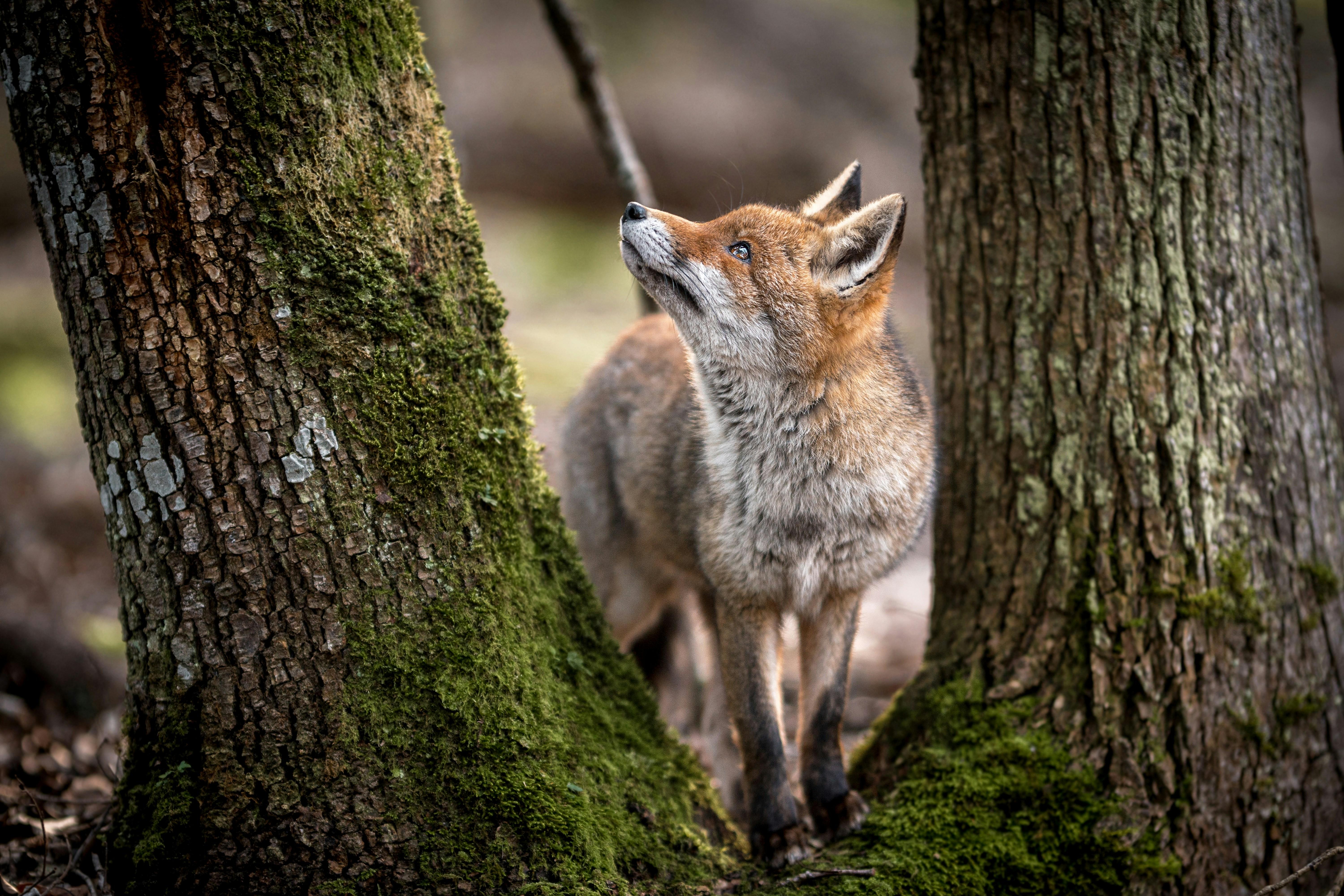
In the quiet embrace of the forest, a fox lifts its head, caught in a moment that exemplifies the constant interplay of instinct and intelligence found in the animal kingdom. This captivating sight highlights a lesser-discussed facet of biological behavior: the complexities of curiosity. While many of us often think of survival instincts as the primary driver of animal behavior, curiosity plays an equally vital role in navigating ecological challenges.
Foxes, renowned for their adaptability, embody this trait. They are not just opportunistic hunters; they are also keen observers. By investigating peculiar sounds or unusual scents, they gather crucial information about their environment, which helps them thrive in diverse habitats. This inquisitiveness isn't merely a quaint personality trait; it's a survival strategy. In a world where danger might lurk behind every rustle of leaves, the ability to explore and assess is as essential as the sharpness of their claws or the cunning of their traps.
Curiosity in animals like this fox may even be likened to the scientific study of environmental cues. Studies suggest that a curious animal might discover food sources more effectively, learn from its peers faster, and even evade predators with greater skill. The paradox is that all this exploration tags along with a degree of risk. Engage too deeply with something unfamiliar, and it could lead to confrontation or misadventure.
Reflecting on this fox’s moment in the woods, one might note that the average wild fox can travel upward of three miles in search of food, confirming that curiosity is not just a trait; it’s a necessary journey. The interplay of instincts, both for survival and exploration, weaves a rich tapestry of behavior that is as intriguing as it is essential, leading us to appreciate the remarkable capabilities of the natural world.
 English
 Thai
Thai
 French
 Spanish
 Portuguese
 Deutsch
 Turkish
 Dutch
Dutch
 Italiano
 Russian