


 New! Search Engine
 О нас
О нас
 Условия использования
 Конфиденциальность
 Contact
 Invest
The Nature of Yawning: A Feline Perspective
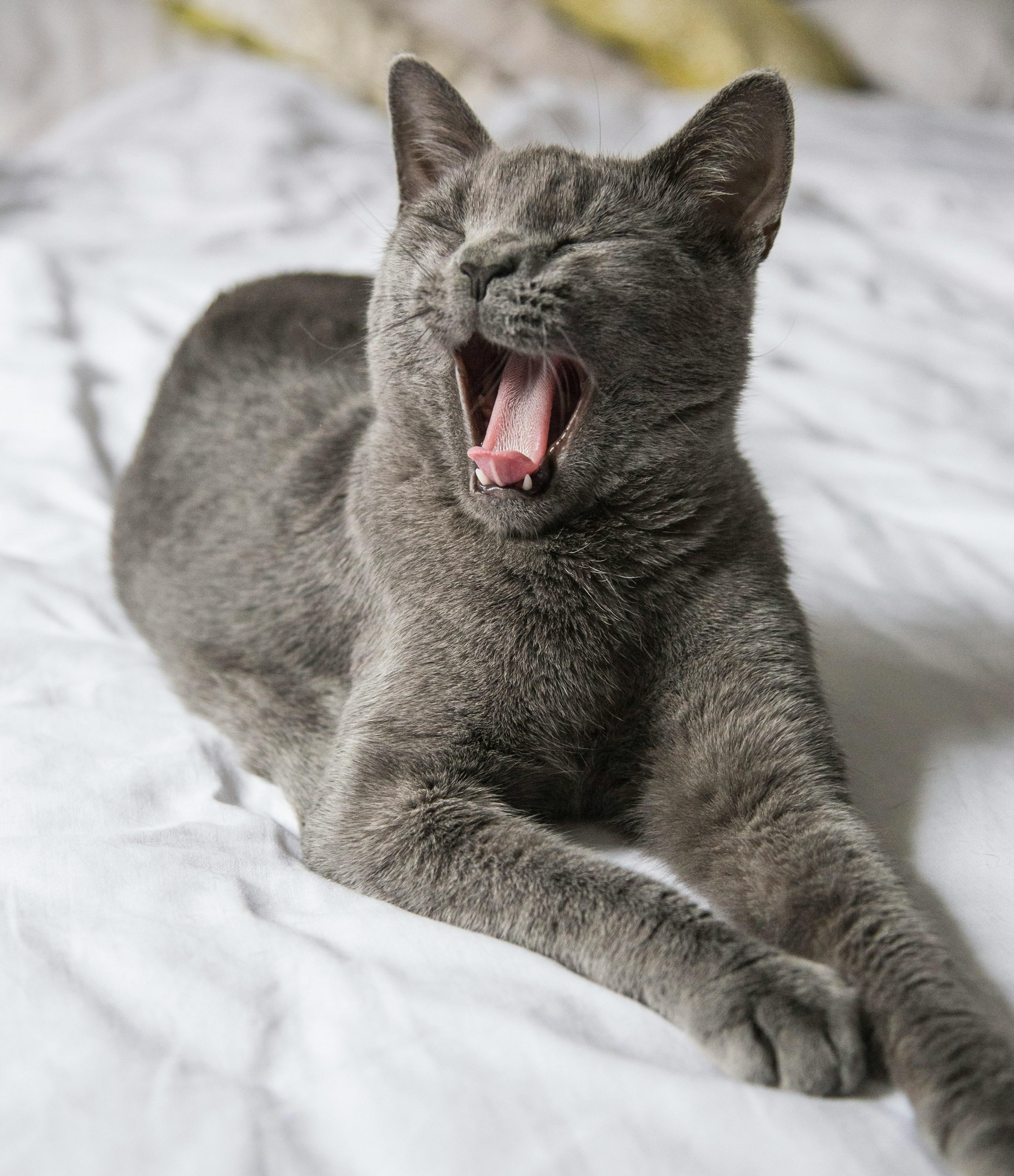
In the quiet moments of a lazy afternoon, a cat stretches luxuriously before unleashing a considerable yawn, its jaws opening wide in a slow, deliberate manner. While this quintessential feline behavior might seem trivial, it belies a fascinating complexity that intertwines the realms of biology, psychology, and social interaction.
Yawning, commonly associated with sleepiness, serves several purposes beyond simply signaling fatigue. In the cat's world, it operates as a subtle form of communication, a way to signal a relaxed demeanor to other animals while also enhancing their own physiological state. As they yawn, cats may be stimulating their brain and regulating their body temperature, taking in a deep breath that enriches their oxygen supply. Interestingly, this is not merely an act of fatigue; numerous studies indicate that yawning can be contagious among social species. This peculiar phenomenon suggests that it may play a role in bonding behaviors and social cohesion.
Cats are uniquely equipped to manage social tensions, given their solitary yet social nature. When a cat yawns in the presence of others, it might not just be a display of comfort but also an unconscious way to de-escalate potential conflicts. The casual observer might interpret it as mere laziness, yet it encapsulates the intricate dance of biology and behavior.
In a world where over 60 different species are known to yawn, and cats hold a unique position within that spectrum of diversity, it's worth noting that this simple act can be a window into understanding stress and relaxation in both domestic and wild cats. As we observe our feline friends, let us remember that even the most mundane behaviors are often steeped in evolutionary significance, revealing a fascinating story of survival, communication, and adaptation that continues to unfold in our homes.
 Russian
 Thai
Thai
 English
 French
 Spanish
 Portuguese
 Deutsch
 Turkish
 Dutch
Dutch
 Italiano