


 New! Search Engine
 About
About
 Koşullar
 Gizlilik
 Contact
 Invest
The Wonder of Canine Expressions
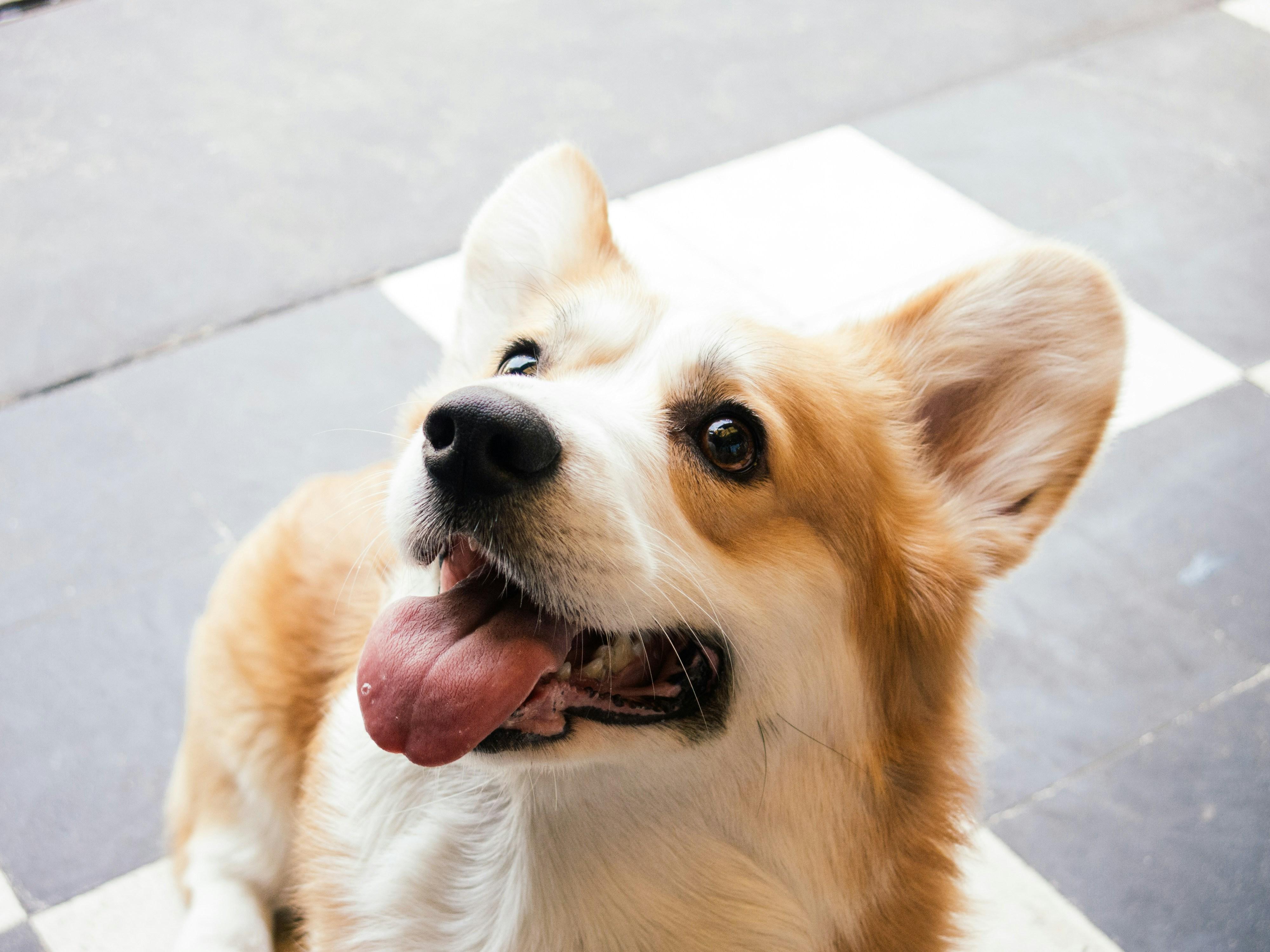
In the world of animal behavior, few creatures manage to convey emotion as eloquently as dogs, especially those of the corgi persuasion. With their endearing smiles and expressive eyes, they invite an intimate understanding of canine psychology. This particular corgi, with its tongue playfully lolling and ears perked attentively, captures a moment that speaks volumes about domestication and the evolution of social bonds between humans and their furry companions.
What makes this joyful scene particularly fascinating is the corgi’s ability to communicate nonverbally. Dogs have evolved alongside humans for thousands of years, honing their skills to interpret and express human emotions. Those sparkling eyes? They reflect not just affection but also a remarkable capacity for empathy, an essential trait that has made dogs invaluable companions. Research indicates that dogs can recognize human emotions through facial expressions, a testament to their keen observational skills and social intelligence.
Moreover, the playful demeanor exhibited by this corgi is a testament to the theory of attachment. Dogs, much like toddlers, thrive on positive interactions that foster bonds. That wide smile, coupled with an expectant tilt of the head, is an invitation for engagement—a gentle nudge for companionship. Some studies suggest that dogs share a similar brain response to social rewards as humans do, further deepening the connection we have with them.
Reflecting on this interplay of joy and companionship, one might consider that a dog’s expression of affection is not merely instinctual; it is cultivated through a rich history of human-dog co-evolution. In fact, there are over 340 dog breeds recognized worldwide, each possessing unique traits shaped by centuries of selective breeding. As we gaze at this corgi’s elated visage, we are reminded that these creatures have not only adapted to coexist with us but have evolved to provide comfort, joy, and companionship in ways that enrich our lives immeasurably.
 Turkish
 Thai
Thai
 English
 French
 Spanish
 Portuguese
 Deutsch
 Dutch
Dutch
 Italiano
 Russian