


 New! Search Engine
 About
About
 Terms
Terms
 Privacy
 Contact
 Invest
High-Purity Lithium Hydroxide Monohydrate Powder, ACS Reagent Grade
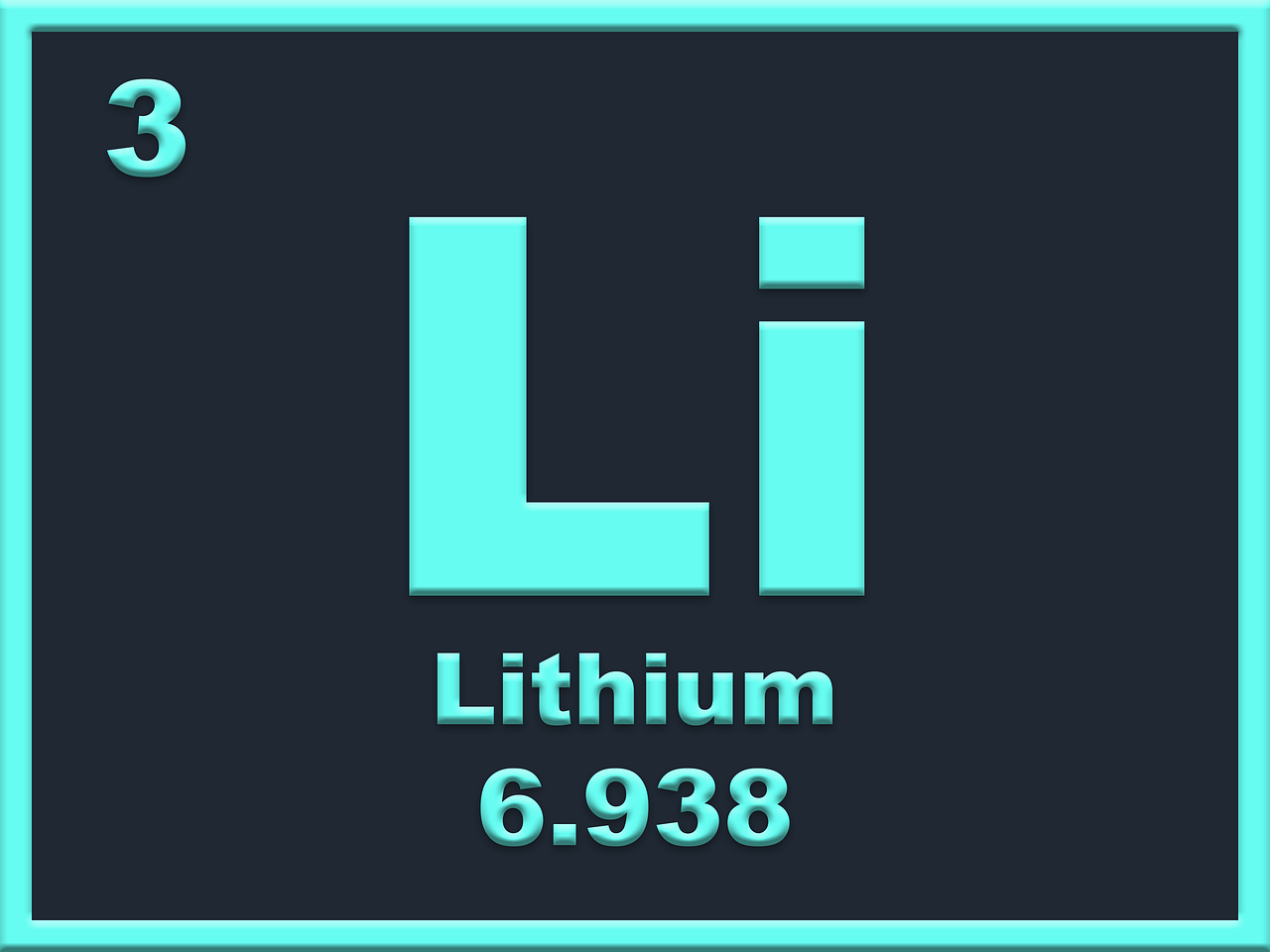
In modern laboratories and research facilities, chemical purity directly impacts the accuracy and reliability of results. Among widely used inorganic compounds, Lithium Hydroxide holds a significant place due to its strong alkaline properties and broad scientific applications. When supplied as a monohydrate powder that meets ACS reagent grade standards, this compound becomes especially valuable for analytical procedures, controlled experiments, and high-precision research.
Lithium hydroxide monohydrate is an inorganic base composed of lithium, oxygen, and hydrogen, with one molecule of water incorporated into its crystal structure. Its high purity level ensures minimal contamination, making it suitable for sensitive laboratory processes. Researchers depend on consistent chemical composition to maintain experimental integrity, and ACS-grade material helps achieve that reliability.
Because of its predictable reactivity and stability under proper storage conditions, lithium hydroxide monohydrate is used in a wide range of laboratory, industrial, and environmental studies. Understanding its chemical behavior, physical properties, and handling requirements is essential for safe and effective use in professional settings.
Chemical Composition and Physical Properties
Lithium hydroxide monohydrate has the chemical formula LiOH·H₂O. The “monohydrate” designation indicates that each molecule of lithium hydroxide is associated with one molecule of water. This hydrated form improves stability compared to the anhydrous version, making it easier to store and handle under normal laboratory conditions.
Key Physical Characteristics
Appearance: White crystalline or granular powder
Odor: Odorless
Molecular Weight: Approximately 41.96 g/mol
Solubility: Highly soluble in water
pH Level: Strongly alkaline in aqueous solution
When dissolved in water, lithium hydroxide fully dissociates, producing hydroxide ions that give the solution its strong basic nature. This high alkalinity allows it to participate effectively in neutralization reactions and chemical synthesis processes.
What Does ACS Reagent Grade Mean?
ACS reagent grade refers to purity standards established for laboratory chemicals. These specifications set strict limits on impurities, ensuring that the chemical performs consistently in analytical and experimental procedures.
For lithium hydroxide monohydrate, ACS reagent grade typically ensures:
Low levels of metallic impurities
Controlled carbonate content
High assay purity
-
Reliable chemical reactivity
These factors are critical in analytical chemistry, where even trace contaminants can distort measurements or alter reaction outcomes. High-purity material helps scientists produce reproducible data, which is fundamental in research and quality control laboratories.
Laboratory Uses of Lithium Hydroxide Monohydrate
High-purity lithium hydroxide monohydrate is widely used in laboratory environments because of its strong base properties and dependable chemical behavior.
pH Adjustment and Neutralization
One of the most common applications is in acid-base reactions. Lithium hydroxide is frequently used to neutralize acidic solutions or to raise the pH of experimental mixtures. Its strong alkalinity allows for precise control in titration and buffering systems.
Preparation of Lithium Compounds
Lithium hydroxide serves as a precursor in the synthesis of various lithium salts. These compounds are often studied in materials science, electrochemistry, and inorganic research. High purity ensures that the final synthesized products remain uncontaminated.
Analytical Chemistry Procedures
In analytical laboratories, reagent-grade lithium hydroxide is used to prepare standard solutions and calibration reagents. Because its concentration and reactivity are reliable, it supports accurate quantitative analysis.
Carbon Dioxide Absorption Experiments
Lithium hydroxide reacts with carbon dioxide to form lithium carbonate. This property makes it useful in controlled laboratory studies related to gas absorption, environmental chemistry, and air quality research.
Role in Scientific Research and Advanced Studies
Beyond routine laboratory use, lithium hydroxide monohydrate plays a role in several advanced research fields. Its chemical reactivity and compatibility with other substances make it valuable in experimental investigations.
Materials Science Research
Lithium-based compounds are frequently studied for their structural and electrochemical properties. Lithium hydroxide often serves as a starting material in the preparation of advanced ceramic materials and specialty glass formulations.
Energy Storage Research
Lithium chemistry is central to many energy storage technologies. In research settings, lithium hydroxide may be used in the preparation and testing of lithium-containing materials for battery-related studies and performance analysis.
Environmental Chemistry
Because it reacts readily with acidic gases, lithium hydroxide is used in environmental simulation experiments. These studies help researchers understand gas absorption processes and chemical interactions in controlled environments.
Safe Handling Practices
As a strong alkaline substance, lithium hydroxide monohydrate must be handled carefully to prevent injury or exposure.
Personal Protective Equipment (PPE)
When working with this compound, laboratory personnel should wear:
Chemical-resistant gloves
Safety goggles or protective eyewear
Lab coats or protective clothing
These precautions reduce the risk of skin or eye contact, which can cause irritation or burns.
Ventilation Requirements
Fine powder particles can become airborne during handling. Working in a well-ventilated area or under a laboratory fume hood helps prevent inhalation of dust.
First Aid Measures
Skin contact: Rinse immediately with plenty of water
Eye contact: Flush with water for several minutes and seek medical attention
Inhalation: Move to fresh air and seek medical advice if discomfort persists
Proper training in laboratory safety procedures is essential for anyone handling strong alkaline chemicals.
Proper Storage Conditions
Maintaining the purity of lithium hydroxide monohydrate depends heavily on how it is stored. The compound is hygroscopic, meaning it can absorb moisture from the air. It can also react with carbon dioxide to form lithium carbonate, which reduces its purity.
Storage Recommendations
Keep containers tightly sealed when not in use
Store in a cool, dry place away from humidity
Minimize exposure to air during handling
Following these guidelines helps preserve its ACS reagent grade quality and ensures consistent laboratory performance.
Environmental and Disposal Considerations
Lithium hydroxide solutions are strongly alkaline and should be disposed of responsibly. Direct release into drains or the environment without treatment can cause harm due to high pH levels.
Disposal Guidelines
Neutralize solutions with a suitable acid under controlled conditions
Follow institutional chemical waste disposal procedures
Comply with local environmental regulations
Responsible disposal practices protect both laboratory personnel and the environment.
Importance of Purity in Research Applications
Using high-purity lithium hydroxide monohydrate ensures that experimental results reflect true chemical behavior rather than interference from contaminants. In research, reproducibility is essential. Even minor impurities can influence reaction rates, product formation, or analytical measurements.
ACS reagent grade material supports:
Reliable data collection
Consistent experimental outcomes
Accurate chemical analysis
This makes it an essential reagent in laboratories where precision is a priority.
Conclusion
High-purity lithium hydroxide monohydrate powder, produced according to ACS reagent grade standards, is a vital chemical in laboratory and research environments. Its strong alkaline properties, high solubility, and dependable reactivity make it suitable for a broad range of scientific applications, from analytical chemistry to advanced materials research.
By understanding its chemical properties, safe handling procedures, and proper storage requirements, professionals can ensure both safety and accuracy in their work. In settings where purity and performance matter most, ACS-grade lithium hydroxide monohydrate remains a trusted and essential reagent for modern scientific study.
 English
 Thai
Thai
 French
 Spanish
 Portuguese
 Deutsch
 Turkish
 Dutch
Dutch
 Italiano
 Russian