


 New! Search Engine
 About
About
 Terms
Terms
 Privacy
 Contact
 Invest
In the serene embrace of a tea ceremony, we witness a complex interplay of biological behavior and cultural practice. The setting is intimate, with delicate tea cups lined in anticipation, while the air is filled with a sense of mindfulness and ritual. The
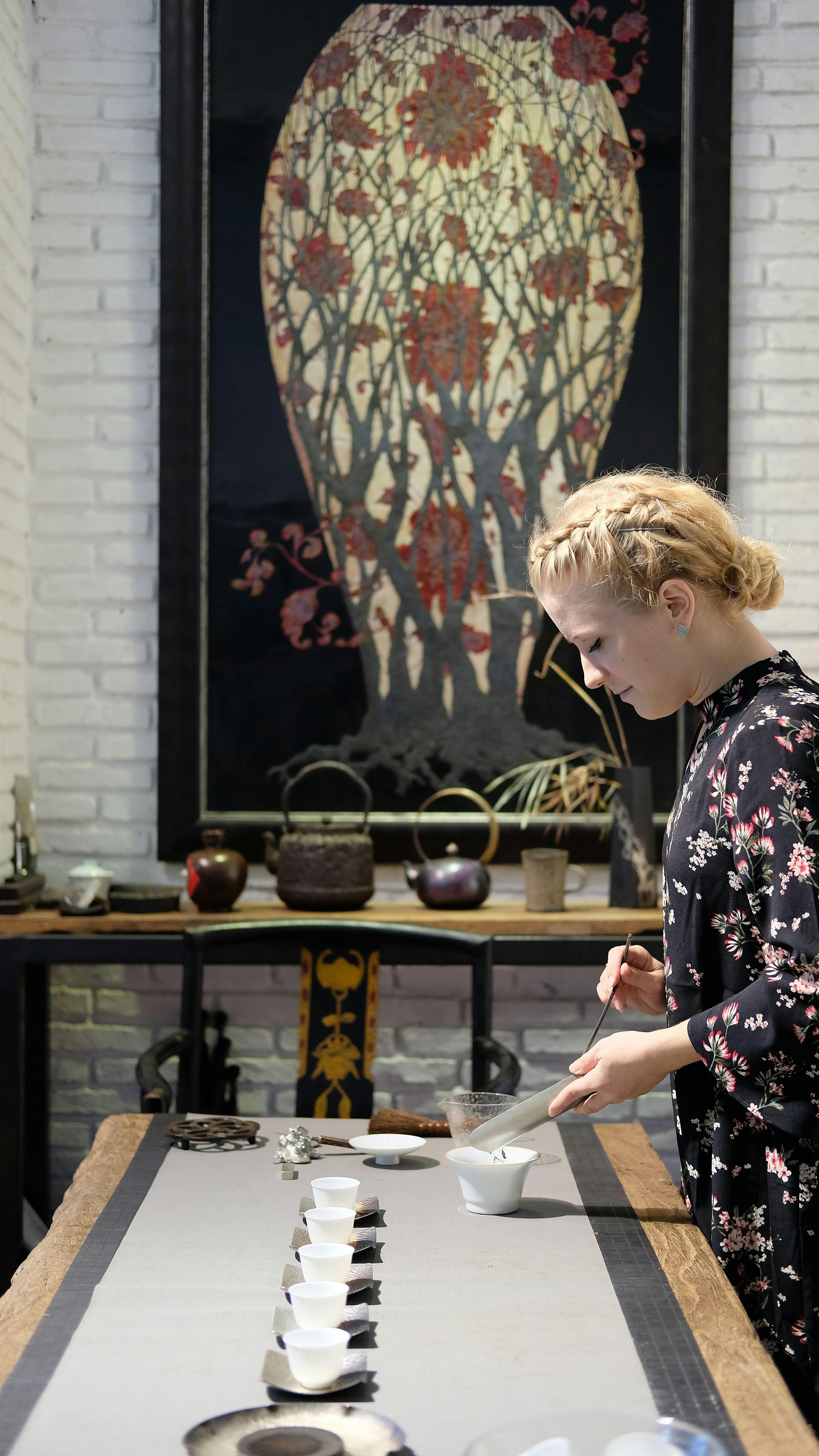
Cultural habits like this tea ceremony reveal how human behaviors can reflect deep-seated biological patterns. Research has shown that structured activities promote mental well-being and social cohesion, much like the cooperative behaviors observed in animal groups. Take, for instance, the elegant movements of bees as they dance to convey information about pollen sources. Similarly, the tea ceremony becomes a dance of sorts—an expression of harmony and community, where the act of serving tea is laden with meaning, fostering connections that are crucial to human survival.
Additionally, the physiological responses our bodies undergo during such rituals, including decreased heart rates and reduced cortisol levels, connect us to the broader animal kingdom, where rituals play key roles in group survival and individual health. The meticulous preparation and presentation foster a sense of belonging and social security, similar to how wolves engage in grooming behaviors to strengthen their pack bonds.
As this ceremony unfolds, it beckons us to reflect on the profound ways our biological imperatives shape cultural practices. In a world grappling with disconnection, engaging in these rituals reminds us of our intrinsic need for social structure and cooperation. After all, according to studies, humans are wired to form bonds, with oxytocin levels surging during moments of social affection. The next time you partake in a shared experience, consider how deeply ingrained these impulses may be, echoing the rhythms of life as old as time itself.
 English
 Thai
Thai
 French
 Spanish
 Portuguese
 Deutsch
 Turkish
 Dutch
Dutch
 Italiano
 Russian