


 New! Search Engine
 About
About
 Terms
Terms
 Privacy
 Contact
 Invest
Curiosity and Connection: The Fascinating Behavior of Human Collecting
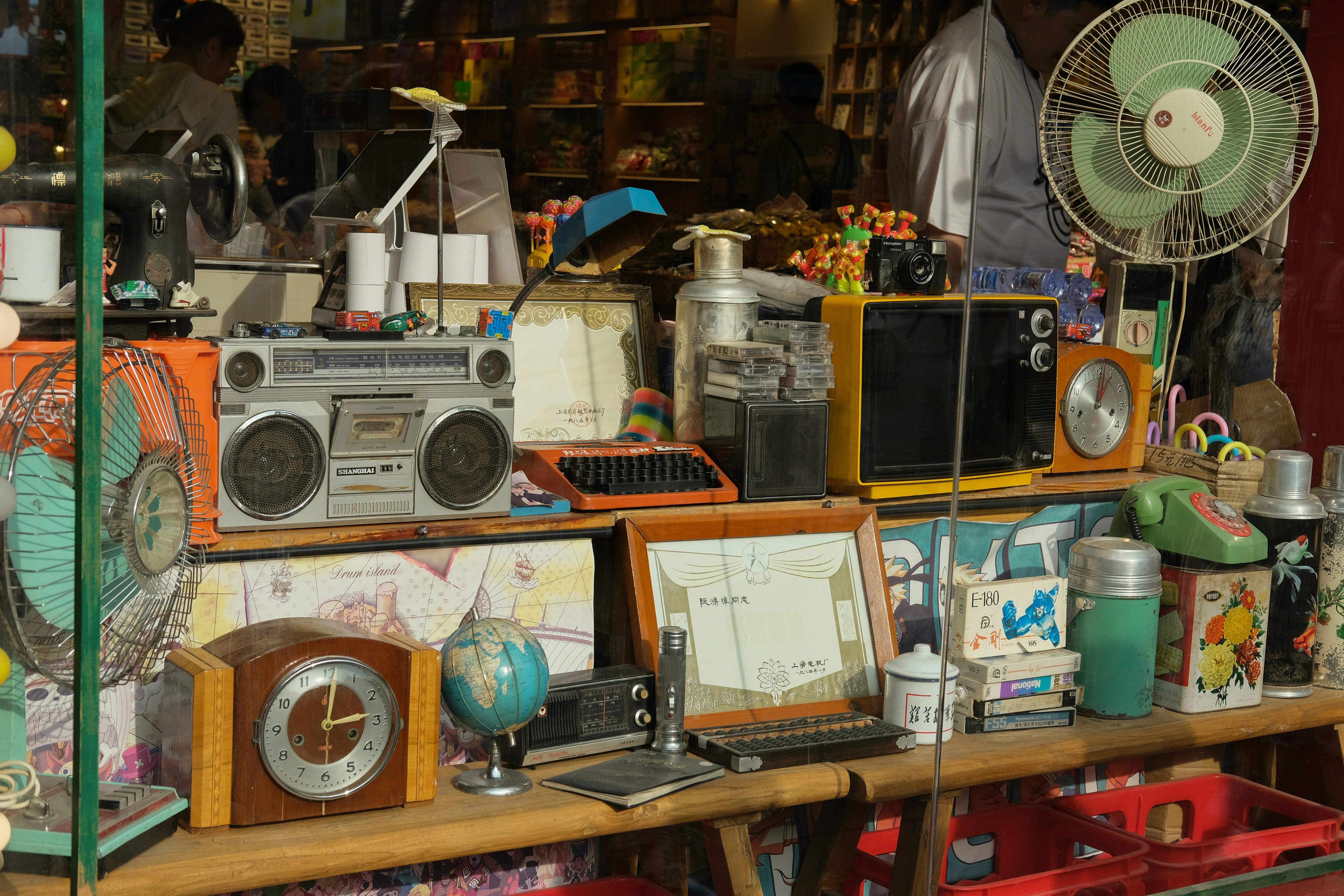
In the bustling heart of city life, quirky storefronts often become makeshift museums of forgotten artifacts. A glance at a window displaying vintage odds and ends—from rusted radios to dusty globes—can spark a cascade of wonder. Here lies a fascinating insight into the biology of human behavior: the act of collecting. This seemingly simple pastime offers profound implications about our social nature, cognitive processes, and even evolutionary survival.
At its core, collecting plays a vital role in how we connect with our environment and each other. Research suggests that the impulse to gather and hoard objects may stem from an evolutionary adaptiveness, where accumulating food sources or tools increased survival likelihood. The rich tapestry of items displayed—each with its own story—serves as a bridge that links the present to the past. Just like nesting birds meticulously select twigs, humans curate their collections, imbuing the items with meaning and identity.
The joy in collecting also taps into the intricate workings of the human brain. Endorphins rapidly surge when we locate a desired piece, triggering strong feelings of satisfaction and fulfillment. This emotional high often fuels a continual quest for the next treasure, illustrating how collecting can lead to a cycle of excitement and curiosity. Moreover, sharing collections can foster community bonds, as collectors come together to celebrate their shared interests, much like social mammals that engage in cooperative behaviors.
Amidst the nostalgia of a vintage storefront, one can see a reflection of humanity's innate urge to make connections, not just with objects, but amongst ourselves. As studies suggest, these collecting behaviors tap into the dopamine pathways of the brain, where the thrill of discovery stirs the same gratification found in meaningful relationships. Perhaps it's this blend of nostalgia and social engagement that makes human behavior so endlessly fascinating: after all, around 60% of people collect something, whether it’s stamps, toys, or memories.
 English
 Thai
Thai
 French
 Spanish
 Portuguese
 Deutsch
 Turkish
 Dutch
Dutch
 Italiano
 Russian