


 New! Search Engine
 About
About
 Terms
Terms
 Privacy
 Contact
 Invest
The Art of Attraction: Peacocks and Their Biological Brilliance
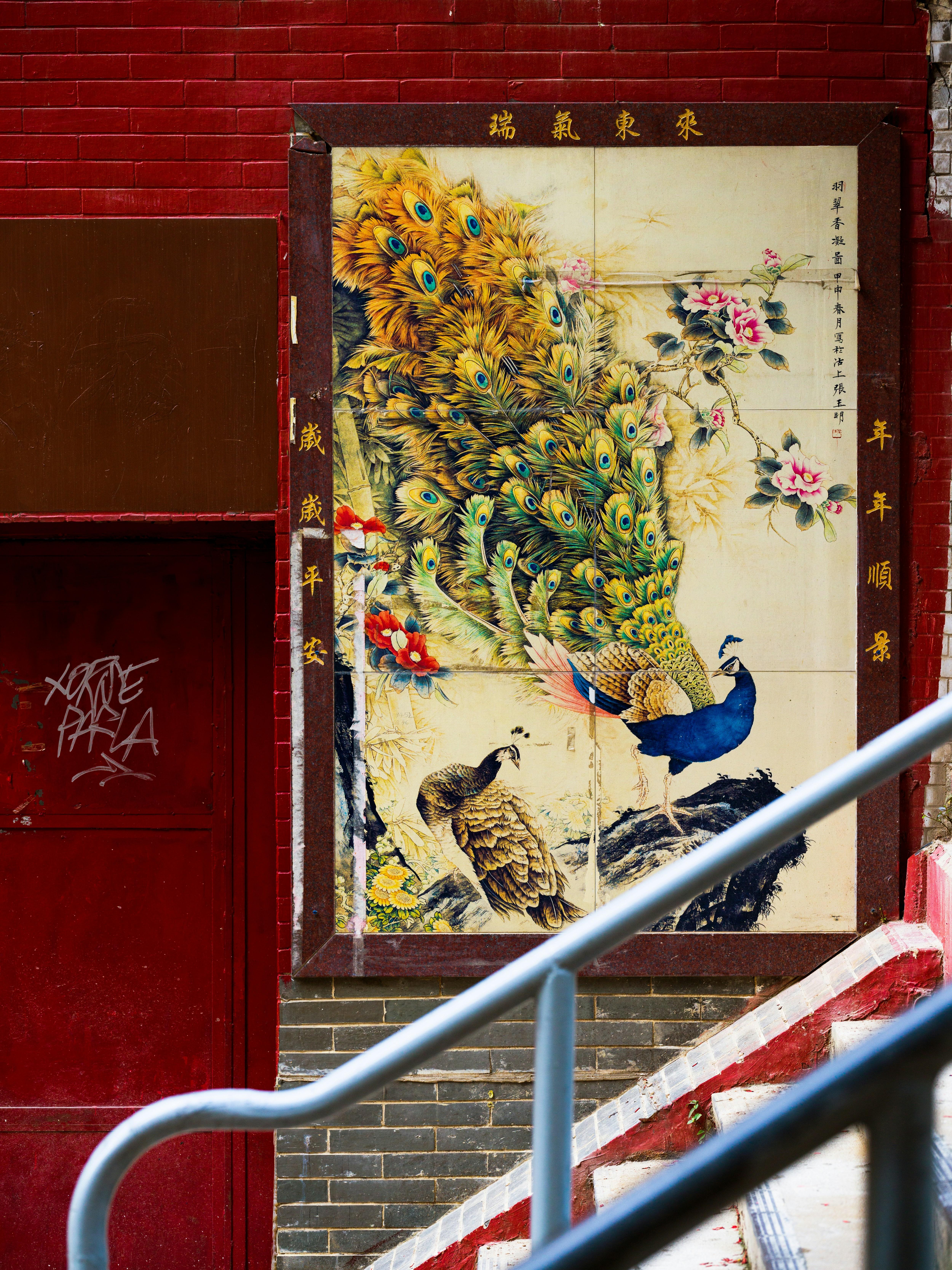
In the vibrant tableau of urban life, a peacock’s tail stands as a stunning metaphor for nature's artistry. Just consider the bold colors and intricate patterns that greet our eyes in a painted mural—each feather an embodiment of evolutionary storytelling. Peacocks, with their shimmering, iridescent plumage, exemplify a fascinating aspect of sexual selection, where the most flamboyant traits often confer reproductive advantages. This behavior is not merely for show; it plays a crucial role in survival and mate selection.
The complex patterns and eye-catching hues serve as visual signals to potential mates, illustrating not only health but genetic viability. A long, alluring tail may seem cumbersome, yet research suggests that it is the very embodiment of fitness. In the wild, a peacock’s elaborate display can attract peahens despite increased predator risk, a paradox that raises questions about the costs and benefits of such beauty.
Moreover, the peacock's courtship dance, where it furls and fans its feathers in a display of grandeur, is a reminder of the interplay between art and biology. Through this sophisticated performance, the peacock conveys genetic fitness, offering potential mates a glimpse of lifetimes spent navigating the perils of their environment.
As we reflect on this interplay between aesthetics and survival, it is intriguing to note that in the wild, peahens tend to favor males displaying larger, more vibrant tails. This preference can lead to a phenomenon known as runaway selection, exerting pressure on future generations. In fact, studies have shown that up to 90% of offspring may inherit traits highlighted by such extravagant displays.
In this dance of colors and evolutionary strategy, peacocks remind us that beauty is often steeped in purpose, revealing nature’s remarkable ability to intertwine art with life.
 English
 Thai
Thai
 French
 Spanish
 Portuguese
 Deutsch
 Turkish
 Dutch
Dutch
 Italiano
 Russian