


 New! Search Engine
 Über
Über
 Bedingungen
 Datenschutz
 Contact
 Invest
The Art of Dim Sum: A Biological Perspective
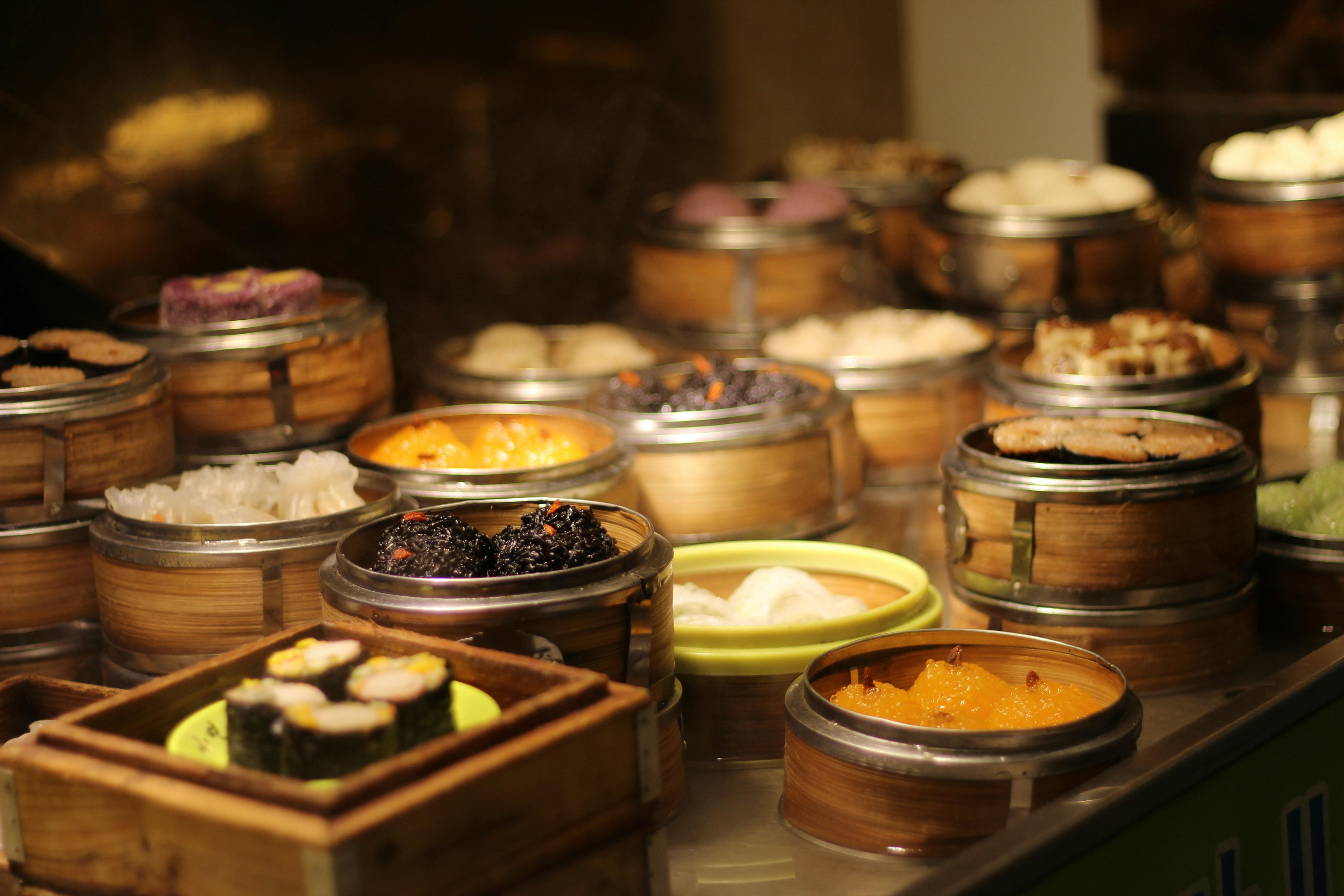
In the bustling realm of culinary delights, dim sum stands out, not just for its variety, but for the intricate behaviors surrounding its enjoyment. Determining what to sample from an array of steamer baskets reflects not only our gastronomic preferences but also deeper evolutionary impulses rooted in social behavior. The act of sharing food, particularly in cultures where communal meals are celebrated, can be traced back to survival instincts that trigger complex biological responses, including the release of oxytocin, often dubbed the "love hormone."
As diners hover over the vibrant assortment of dumplings, buns, and rolls, they engage in a subtle form of foraging reminiscent of our ancestors. Each choice—be it a soft bun filled with savory pork or a colorful dessert—mimics the survival strategies of ancient humans, who relied on careful selection for a balanced diet. Interestingly, the vibrant colors of these dishes can invoke a sensory response that elicits heightened anticipation, compelling us to opt for those visual cues that promise richness in flavor and nourishment.
Beyond the immediate pleasure of savoring such delicacies, dim sum serves another purpose: it creates a social fabric woven through shared experiences. Diners often engage in pleasant banter, navigating culinary choices with humor and spontaneity. This interaction reinforces social bonds and enhances emotional well-being, showing how our dietary habits are intertwined with our biological imperative to connect and belong.
Statistically, individuals who share meals are more likely to report higher levels of happiness and lower stress, with studies indicating that communal dining can elevate mood by as much as 30%. Thus, enjoying dim sum is more than a mere indulgence; it is an exploration of the delicate interplay between biological behavior and cultural practices, enriching our lives – one steamer basket at a time.
 Deutsch
 Thai
Thai
 English
 French
 Spanish
 Portuguese
 Turkish
 Dutch
Dutch
 Italiano
 Russian