


 New! Search Engine
 About
About
 Termini e Condizioni
 Privacy
 Contact
 Invest
A Culinary Inscription of Heritage
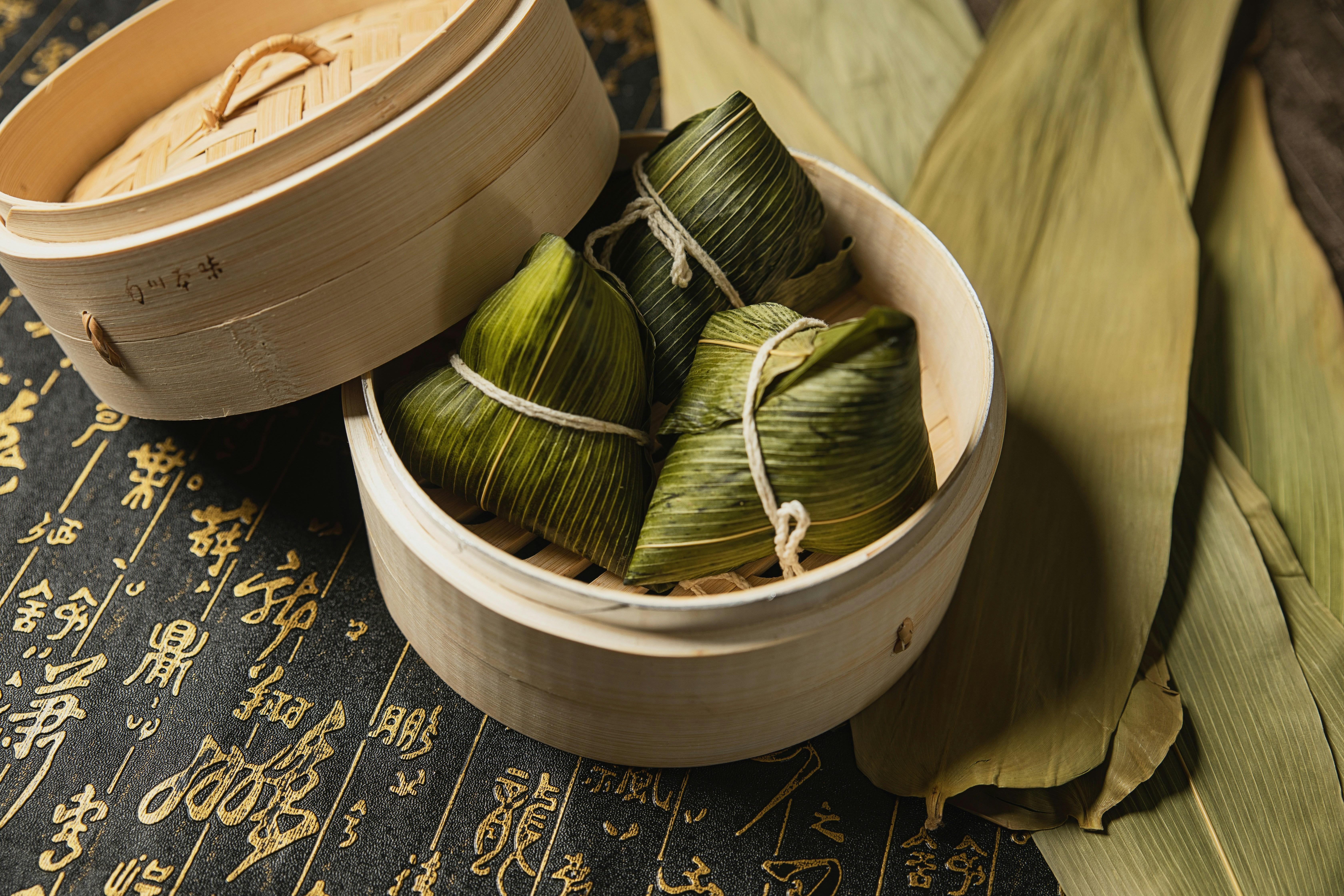
Nestled within the delicate confines of a bamboo steamer, dumplings wrapped in lush green leaves tell an echoing story of culture and biological ingenuity. Each bundle is not merely a vessel for rice and filling, but a testament to the harmonious relationship between tradition and nature’s bounty. The use of leaves echoes an ancient symbiosis, where local flora play a protective role in cooking, providing flavors and alleviating the need for artificial preservation.
In many cultures, food is much more than sustenance; it’s a celebration of identity and community. The leaves wrapped around these dumplings are akin to the protective instincts found in various animal behaviors. Just as some species might hide their young in foliage, human ingenuity has evolved to utilize nature itself as a guardian for precious recipes passed down through generations.
Moreover, the steaming process not only cooks the contents but transforms them, much like the metamorphosis of insects. The heat permeates the leaves, releasing essential oils that mingle with the filling, creating a multi-sensory experience akin to a well-coordinated natural symphony. As scents waft through the air, one is reminded that food engages more than our taste buds; it invokes a genetic memory that stretches back through time.
In the grand tapestry of life, such culinary practices remind us that around 90% of the world’s food comes from just 15 plant species. This fact, while sobering, is counterbalanced by the multitude of ways humans have adapted these resources creatively. So, as each dumpling is savored, one might consider the intricate dance of biology and heritage that has made this simple meal possible—a celebration of life itself, one bite at a time.
 Italiano
 Thai
Thai
 English
 French
 Spanish
 Portuguese
 Deutsch
 Turkish
 Dutch
Dutch
 Russian