


 New! Search Engine
 О нас
О нас
 Условия использования
 Конфиденциальность
 Contact
 Invest
Flowers, often seen as mere aesthetics, offer a profound glimpse into the natural world's intricate ballet of behavior and evolution. The vibrant yellow blooms in this scene are not just visually striking; they serve vital ecological roles that influe
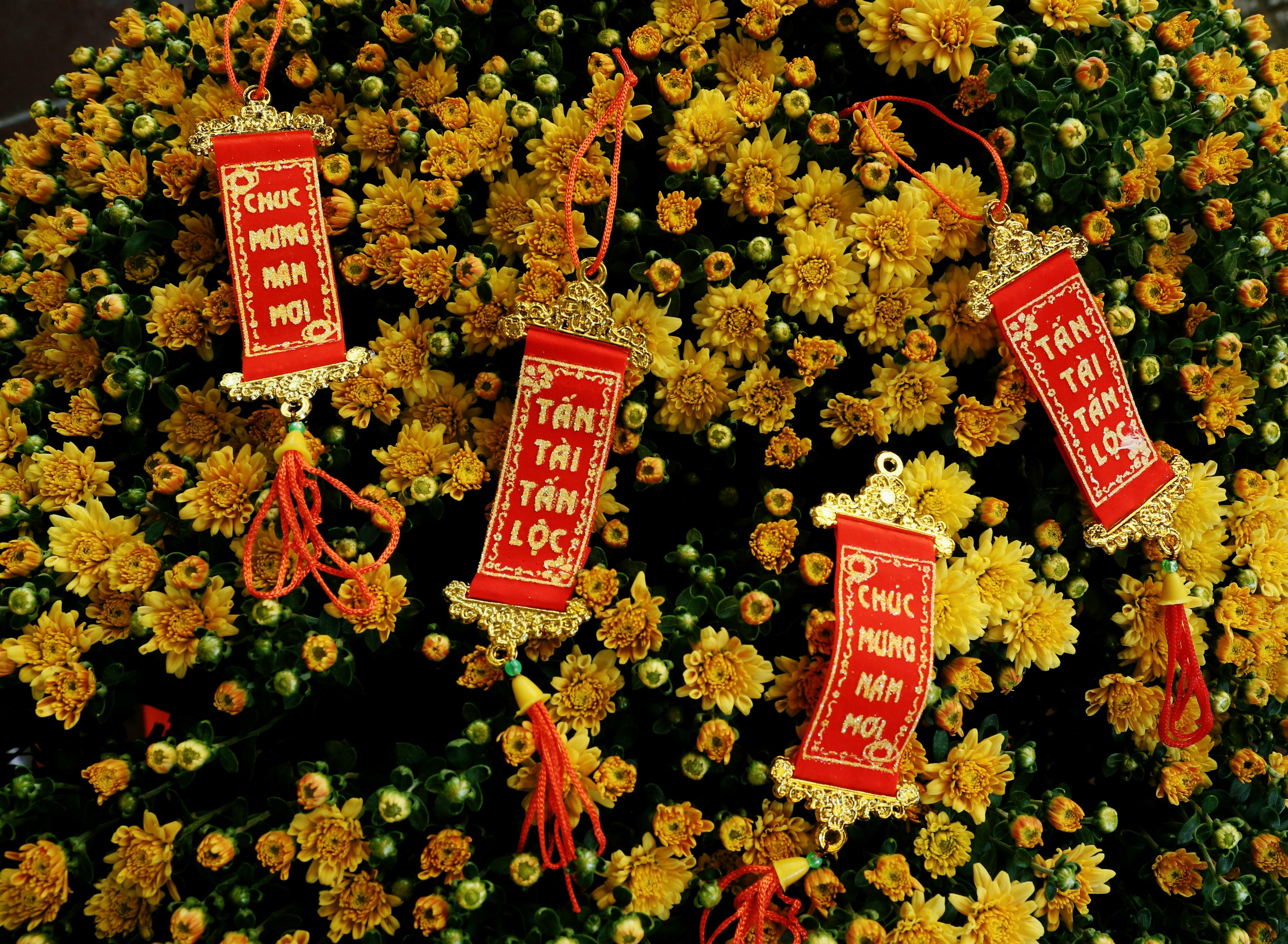
In the wild, flowers act as crucial signaling devices in a plant's reproductive strategy. They attract a cadre of pollinators, from bees to butterflies, each playing an indispensable role in the lifecycle of these plants. The complex dance between flower coloration, fragrance, and shape exemplifies mutualism, where both plants and pollinators benefit. This is no mere coincidence; rather, it is the result of countless evolutionary adaptations. The blooms' seasonal appearance aligns with the life cycles of their pollinators, ensuring the continuity of both species.
Observe how the vivid hues of the flowers influence their surroundings. Those vibrant yellows could be likened to luminous beacons, guiding pollinators through a bustling environment. Flowers, like the ones captured in this image, also showcase an evolutionary paradox: showiness often attracts unwanted herbivores. To compensate, many plants have developed thicker stems or chemical defenses to protect themselves while simultaneously wooing their desired visitors.
This delicate balance reflects a fascinating aspect of biological behavior—adaptation to conflicting pressures. The interplay of attraction and defense mirrors social dynamics in animal behaviors as well. For example, just as flowers entice insects, many animals use displays, calls, or other signals to communicate and secure mates.
In a world where biodiversity is threatened, understanding these interactions becomes paramount. Research estimates that nearly 75% of the world's crops depend on animal pollination, highlighting the interconnectedness of life. As we examine the world through this lens, we marvel at nature’s complexities, nestled within the petals of a humble flower, quiet yet teeming with life.
 Russian
 Thai
Thai
 English
 French
 Spanish
 Portuguese
 Deutsch
 Turkish
 Dutch
Dutch
 Italiano