


 New! Search Engine
 About
About
 Terms
Terms
 Privacy
 Contact
 Invest
Scaling the Heights of Lizard Behavior: The Art of Understan
Scaling the Heights of Lizard Behavior: The Art of Understanding Our Reptilian Friends
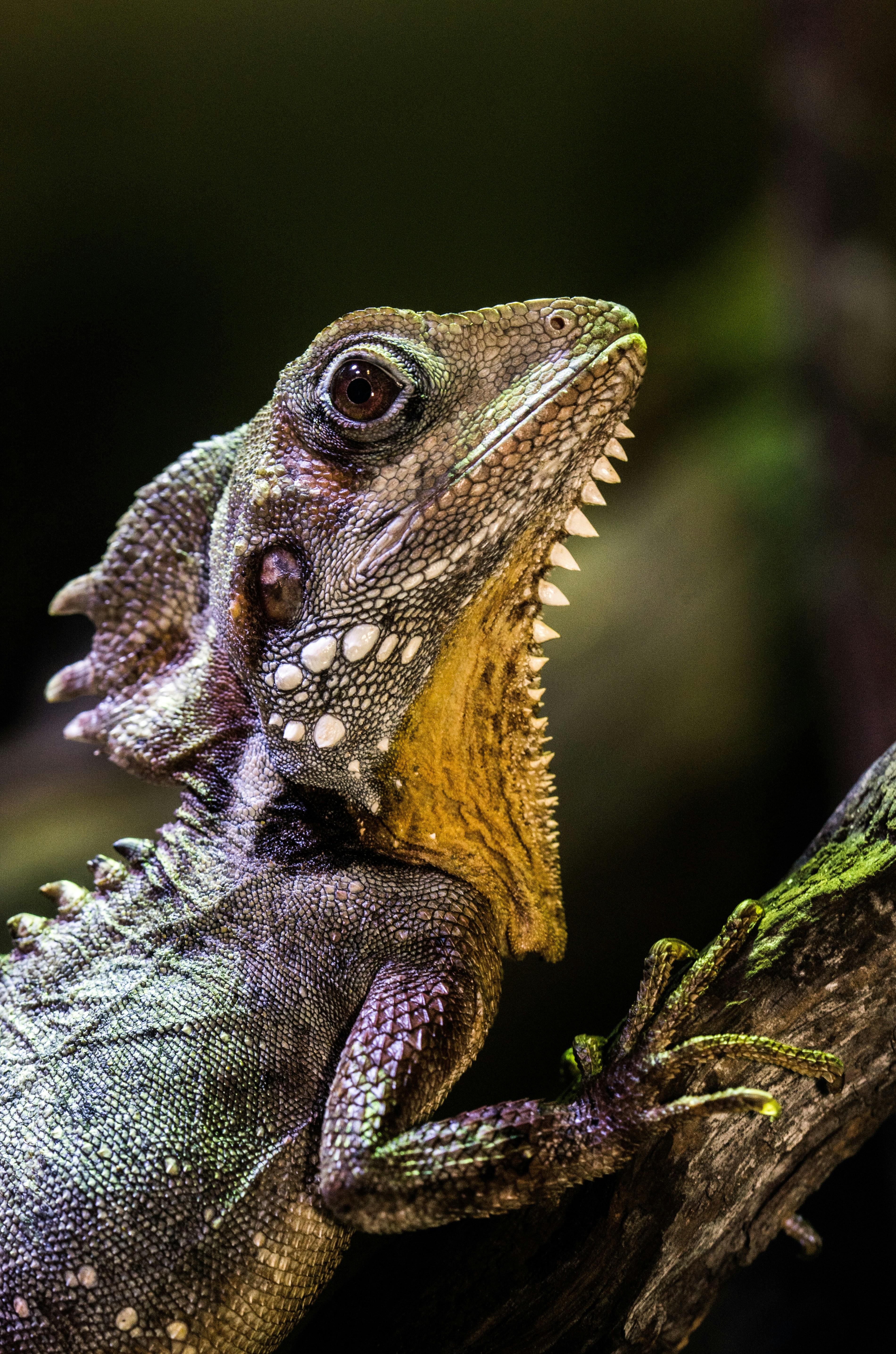
If you've ever watched a lizard sunbathe, you know the sight can be both mesmerizing and mildly judgmental—it's as if they’re thinking, “Why can’t you manage a nap like this?” While our reptilian companions aren’t capable of rolling their eyes like us, their body language speaks volumes. Take, for example, the increasingly popular frilled dragon, the reptile with a flair for the dramatic and a wardrobe that belongs in a 90s action movie.
When evaluating a lizard’s emotional cues, subtlety is key. The way a lizard positions its body can often reveal its mood or intentions. A frilled dragon displaying its neck frill, for instance, isn’t just showing off its royal garb; it’s often a sign of confidence, aggression, or territorial claim. Imagine a lizard strutting down a branch, puffed up in all its spiky glory, essentially saying, “Back off, this is my branch!” In contrast, a curled body and hiding behavior indicates stress or discomfort—much like when you’re at a party and the DJ starts playing that one song you just can’t stand.
Understanding these behaviors is the first step toward ensuring our scaly friends lead comfortable, enriched lives. Maintaining an environment that caters to their natural instincts is essential. A well-decorated enclosure replicating their natural habitat can significantly reduce stress. Think about temperature gradients, hiding spots, and even a bit of climbing space. After all, would you feel relaxed living in a plain, dreary box?
To incorporate enrichment into your lizard’s life, consider engaging their senses. Place a few strategically arranged leaves or branches in their habitat, and observe them climb, bask, and explore their miniature kingdom. If your lizard enjoys being handled (and not all of them do), gentle social interactions can provide mental stimulation. Just approach with caution—think of it as asking a cat for a cuddle; one minute they might want to snuggle, the next they’ll be swatting you away.
Diet also plays a crucial role in their overall well-being. Offering a variety of insects, vegetables, and occasional fruits can keep your lizard’s diet interesting and satisfying. Plus, they’ll appreciate your culinary creativity. Just be careful not to add too much spice; we all know a lizard can’t handle the heat (and neither should you if you’re cooking up a storm).
 English
 Thai
Thai
 French
 Spanish
 Portuguese
 Deutsch
 Turkish
 Dutch
Dutch
 Italiano
 Russian