


 New! Search Engine
 About
About
 Voorwaarden
 Privacy
 Contact
 Invest
**Tigers in Transition: Understanding 73% of Zoo Tigers Engage in Stereotypic Behaviors and What That Means for Their Welfare**
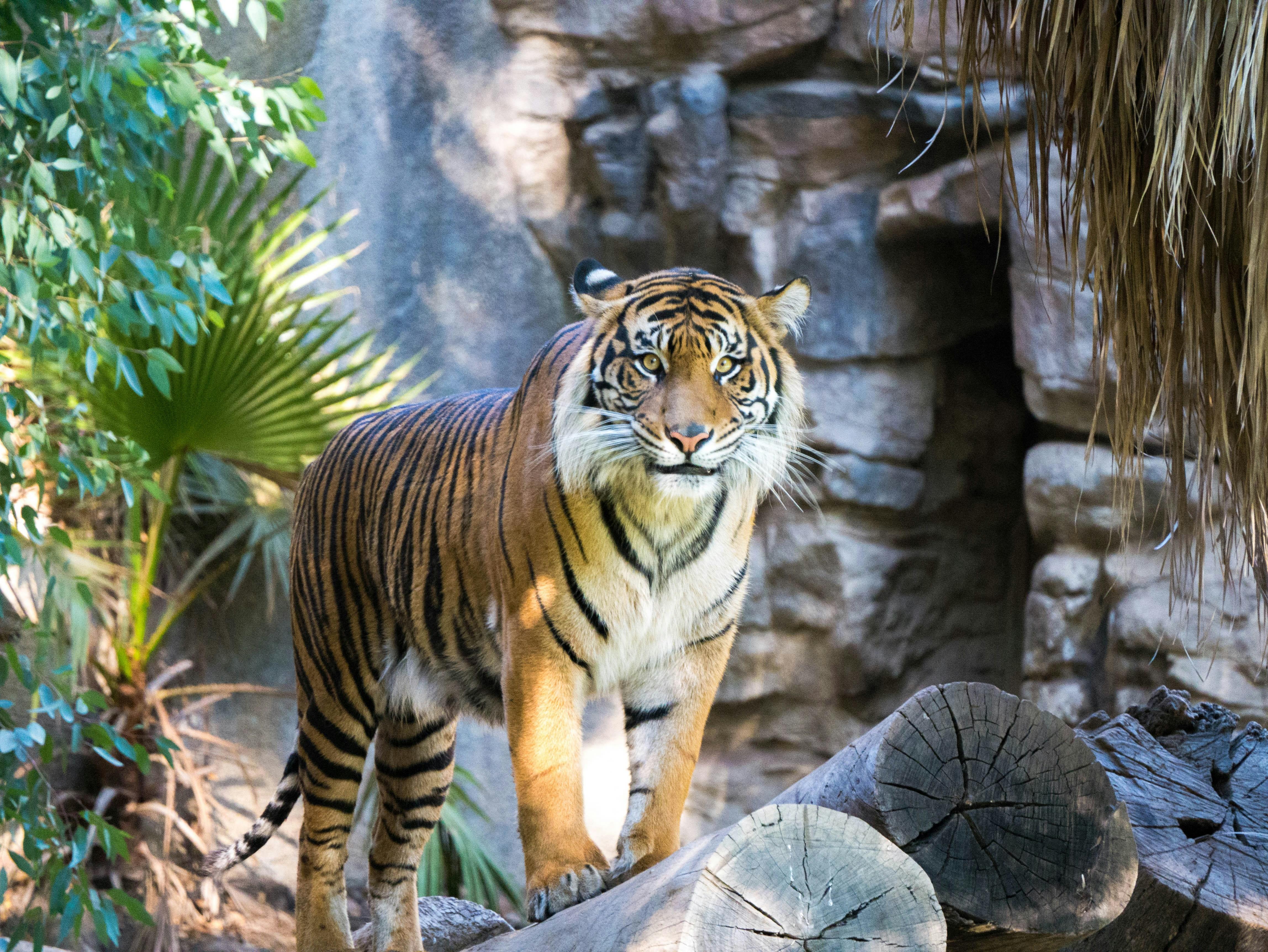
Tigers in Transition: Understanding 73% of Zoo Tigers Engage in Stereotypic Behaviors and What That Means for Their Welfare
When you think of a tiger, you might picture a majestic creature prowling through the jungle, eyes gleaming with curiosity. But what happens when that same tiger is confined to a zoo? The truth is, our large feline friends often face some challenges that their wild counterparts don’t. Recently conducted studies show that a staggering 73% of zoo-housed tigers exhibit stereotypic behaviors, like pacing or repetitive grooming. While these behaviors might seem like just a quirk of their personalities, they reveal an underlying struggle that’s worth our attention—and even our sympathy.
At the heart of the matter is the difference between emotional cues and physical expressions. Our feline friends express their feelings in nuanced ways, from the flick of their tails to the position of their ears. A tiger standing with its tail held high isn’t just being boisterous; it’s proclaiming, “I’m feeling confident and ready to assert myself!” Conversely, a tiger who maintains a hunched posture or an overly focused stare often signals anxiety or boredom. Observing these behaviors closely can help us better understand their emotional landscapes.
So, what can we do? Here’s where the realm of training, enrichment, and welfare comes into play. Providing opportunities for mental stimulation is critical. Enrichment activities, such as puzzle feeders, can mimic natural hunting behaviors and keep these magnificent creatures engaged. In fact, studies show that tigers presented with food enrichment can exhibit 50% less stereotypic behavior, a win-win for both their mental health and the viewing experience for zoo-goers. Encourage the creation of varied habitats within the zoo. Features like logs, water features, and climbing spaces not only cater to their natural instincts but also deliver ample opportunities for exercise.
While enrichment in zoos is essential, it’s worth noting that captive tigers still have different needs compared to when they roam the vast landscapes of their natural habitats. Research indicates that tigers in the wild cover an impressive area of up to 10 square miles, hunting and exploring. Understanding this, zoos strive to mimic natural conditions as closely as possible, offering environments that allow for private spaces and social interactions. These adjustments are more than mere luxury; they are integral to the psychological well-being of these big cats.
As we reflect on the plight of our tigers, it’s vital to remind ourselves of the balance between admiration and responsibility. While it’s easy to marvel at their beauty and power from behind the safety of a viewing glass, it’s paramount to recognize their needs and advocate for their well-being. The next time you see a tiger pacing, consider it a gentle nudge for immediate action towards positive change, fostering creativity in habitat design and behavior modification strategies.
 Dutch
Dutch
 Thai
Thai
 English
 French
 Spanish
 Portuguese
 Deutsch
 Turkish
 Italiano
 Russian